
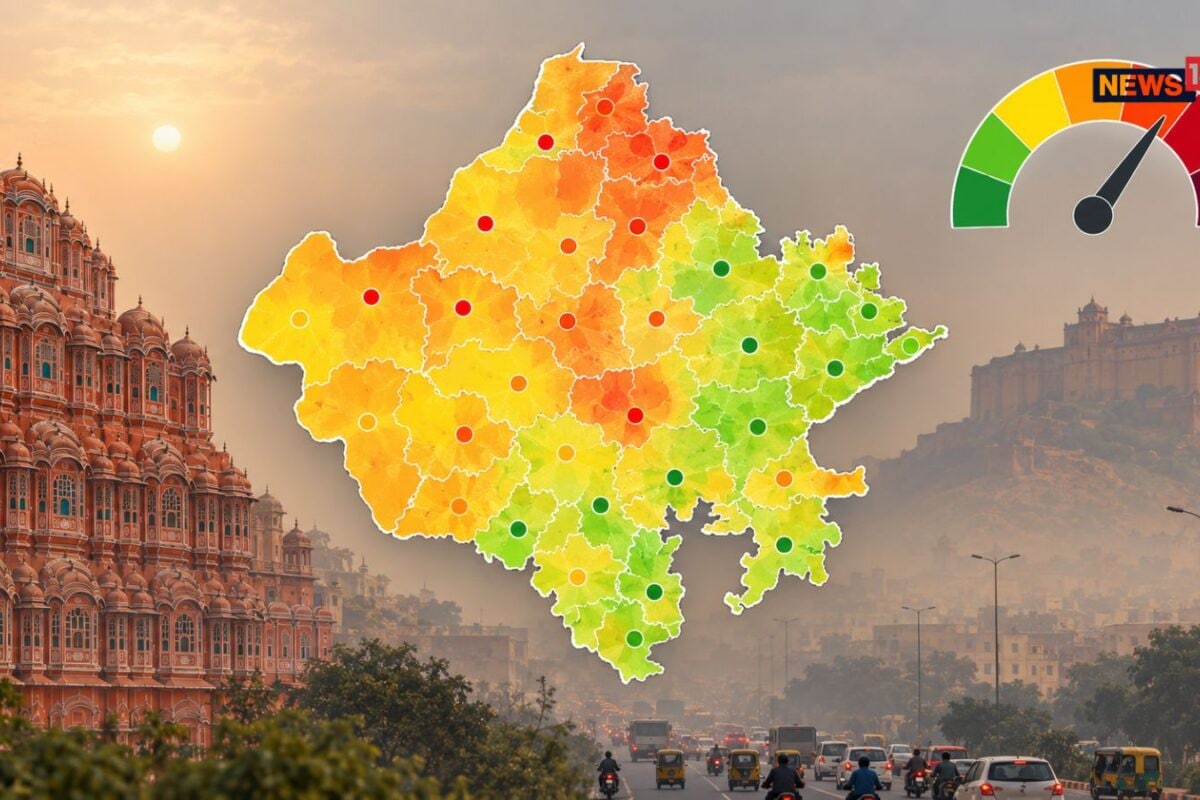
As seasonal weather patterns shift across the state of Rajasthan, a severe and alarming escalation in air pollution levels has been officially recorded, casting a shadow of concern over major urban centers. The rapid deterioration of atmospheric conditions has directly impacted everyday life, transforming clear skies into thick layers of smog and particulate matter. Meteorological changes, combined with local emissions, have created a stagnant atmospheric trap that prevents pollutants from dispersing effectively, thereby worsening the overall environmental health of the region.
The current atmospheric crisis is deeply rooted in a combination of geographical vulnerabilities, industrial concentration, vehicular emissions, and seasonal crop residue burning typical of the wider northern plains. Over the years, rapid urbanization and industrial expansion without corresponding ecological safeguards have turned several pockets of Rajasthan into pollution hotspots. Historically, the onset of winter months exacerbates these underlying issues as lower temperatures and reduced wind speeds trap pollutants closer to the surface, creating persistent environmental hazards.
According to the latest comprehensive data released regarding the Rajasthan AQI today, the industrial town of Bhiwadi has claimed the unfortunate top spot on the pollution chart, recording an exceptionally hazardous air quality index of 342. This figure places the town firmly in the severe category, posing severe health risks to anyone exposed to the ambient air. Furthermore, the situation remains grim in other key administrative and commercial hubs, with Bikaner recording an alarming AQI of 288 and Jaipur registering 286, while Sri Ganganagar reported a relatively lower yet concerning AQI of 194.
Public health experts and medical professionals have reiterated that any air quality index reading surpassing the threshold of 200 is inherently detrimental and hazardous to human health. Prolonged exposure to such high concentrations of particulate matter can trigger acute cardiovascular and respiratory complications, leaving citizens vulnerable to chronic ailments. Local communities, shopkeepers, daily wage earners, and commuters have expressed deep anxiety over the worsening haze, noting that outdoor physical exertion has become increasingly difficult and painful due to burning sensations in the eyes and throat.
The regional impact of this toxic air blanket extends profoundly across neighboring districts, disrupting local commerce, outdoor trade, and community routines. Schools, transport networks, and local markets are beginning to feel the strain as cautious parents keep children indoors and fewer people venture out for early morning chores or business. The agricultural and transport sectors also face indirect hurdles, as reduced visibility during early morning hours hampers logistical movements across key highways connecting these affected industrial and commercial zones.
In response to the escalating crisis, the state health department has mobilized administrative mechanisms to safeguard public well-being through timely interventions. Official advisories have been formally issued, strongly recommending that senior citizens, young children, and individuals suffering from chronic respiratory conditions take extra precautions, including wearing protective masks outdoors. Furthermore, authorities have specifically cautioned vulnerable residents to strictly refrain from engaging in morning walks and strenuous physical activities during peak pollution hours.
Looking forward, public health officials and environmental monitors expect these stringent advisories to remain in place until favorable meteorological changes, such as stronger winds or anticipated western disturbances, help clear the accumulated smog. Municipal and administrative bodies are reviewing long-term mitigation strategies to curb industrial emissions and dust pollution. Meanwhile, citizens are advised to stay updated on daily air quality bulletins and strictly adhere to health guidelines to minimize personal exposure during this critical phase.
