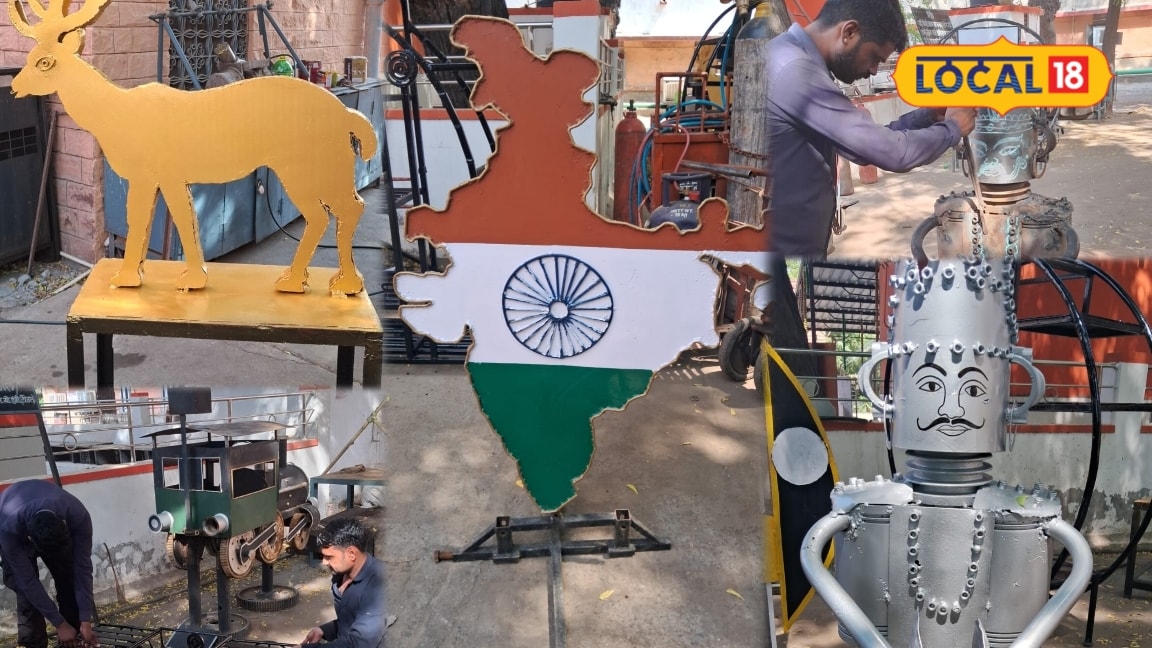
In an extraordinary display of creativity and environmental responsibility, railway personnel within the Jodhpur division have successfully converted discarded scrap waste into magnificent artistic masterpieces. Operating under the umbrella of the 'Cleanliness is Service 2026' campaign, the staff embraced a unique 'best from waste' initiative that fundamentally redefines how industrial refuse is perceived and managed within the transportation sector. Rather than leaving surplus materials to accumulate as hazardous clutter, these skilled workers channeled their artistic flair into designing elaborate models that have captured the admiration of commuters and officials alike.
The conceptual origin of this innovative project lies in the ongoing administrative emphasis on sustainable cleanliness and optimal resource utilization across national transport networks. Historically, large railway workshops and divisional depots generate substantial quantities of metallic scrap, discarded machine parts, and unusable iron fragments. Managing this industrial byproduct traditionally involved cumbersome disposal procedures or auction processes. However, the 2026 cleanliness campaign provided a transformative platform to repurpose these dormant materials, effectively merging industrial maintenance with creative expression.
A closer examination of the workshop floors reveals the impressive scale and intricate detailing of the executed projects. Without relying on fresh procurement of raw materials, the workforce meticulously sorted through heaps of industrial refuse to handpick components that could serve structural or aesthetic purposes. The resulting installations include majestic depictions of lions and chinkaras, meticulously welded vintage steam locomotives, futuristic functional-looking robots, and a remarkably detailed metallic outline of the Indian map. Every single piece stands as a testament to precision craftsmanship achieved solely through recycled elements.
Observers, visitors, and departmental supervisors have expressed profound appreciation for the dedication demonstrated by the engineering and maintenance staff. While official evaluations continue to highlight the aesthetic enrichment of divisional premises, the participants themselves view the endeavor as a collective duty toward environmental stewardship. The initiative bridges the gap between mechanical labor and artistic innovation, proving that industrial environments can actively contribute to cultural and visual beautification through sustainable practices.
The broader implications of this sustainable drive extend far beyond the immediate boundaries of the Jodhpur division, resonating with communities and regional centers across the broader geographic expanse. As districts and localities increasingly grapple with municipal solid waste and industrial disposal challenges, the railway model serves as a practical blueprint for grassroots recycling. By demonstrating that heavy metal scrap can be elevated into civic art, the movement inspires surrounding towns and administrative zones to rethink traditional approaches to waste management.
Administrative authorities within the division have extended formal recognition to the participating personnel, emphasizing that such grassroots innovations significantly bolster institutional morale and public relations. Senior officials noted that integrating environmental cleanliness campaigns with creative employee engagement yields multifaceted benefits, transforming routine maintenance duties into sources of civic pride. Plans are presently underway to properly display these metallic sculptures at prominent public locations within the division to maximize visibility and educational impact.
Looking forward, the success of the 'best from waste' activity during the 2026 campaign establishes a robust benchmark for future cleanliness and sustainability drives across the network. Stakeholders anticipate that similar participatory models will be institutionalized in upcoming administrative calendars, encouraging continuous innovation among operational staff. By embedding resourcefulness into the core ethos of daily railway operations, the division has successfully forged a lasting pathway toward cleaner, more imaginative industrial spaces.