
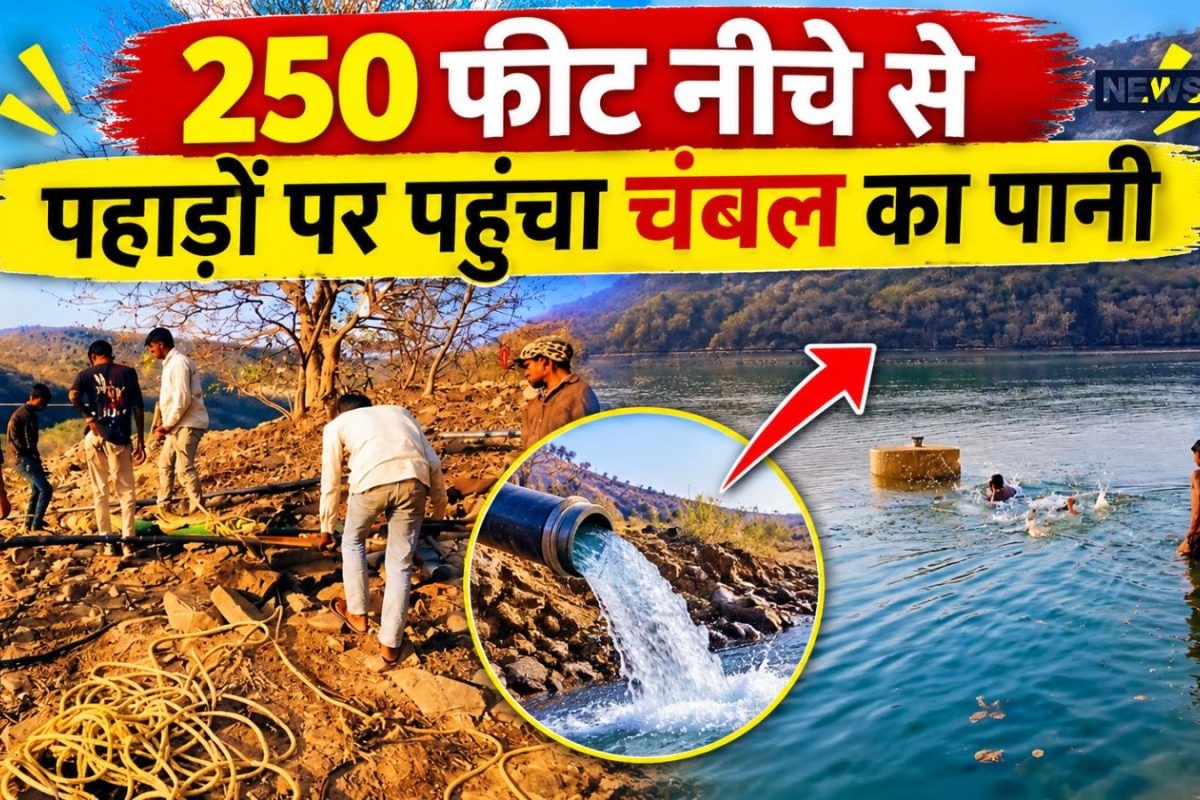
In an unprecedented administrative and environmental triumph for wildlife conservation, the management of the Mukundra Hills Tiger Reserve in Kota has successfully established an elaborate and sustainable water management model. Designed specifically to alleviate the severe challenges of wildlife thirst during scorching dry spells, this ambitious infrastructural project fundamentally transforms how natural reserves manage vital natural resources. By implementing advanced ecological engineering, forest authorities have ensured that the resident fauna within the protected territory receive uninterrupted access to clean drinking water throughout the year.
Historically, water scarcity during peak summer months presented a monumental crisis for the diverse ecosystem housed within the reserve. Natural water bodies frequently dried up, forcing wildlife to migrate dangerously close to human settlements in search of hydration, which historically escalated human-wildlife conflicts. Recognizing the urgency of a permanent and reliable solution, forest department planners conceptualized a robust engineering marvel that could harness nearby perennial water sources without damaging the delicate ecological balance of the protected forest landscape.
The cornerstone of this remarkable engineering feat involves lifting water from the Chambal River, which flows approximately 250 feet below the targeted high-altitude delivery points within the sanctuary. Utilizing high-efficiency solar-powered pumps, the system operates sustainably by harnessing abundant renewable solar energy, thereby eliminating any reliance on conventional fossil fuels or unstable grid electricity in remote forest tracts. This environmentally conscious choice underscores the administration's commitment to maintaining a carbon-neutral footprint while addressing critical conservation imperatives within the reserve.
To transport the lifted water across the vast and rugged terrain of the sanctuary, authorities constructed an extensive pipeline network spanning between 40 to 50 kilometers. This intricate subterranean and surface arterial system successfully navigates difficult geographical contours to distribute life-sustaining moisture to the most remote corners of the forest. Strategic placement of distribution nodes ensures that water reaches isolated habitats where wildlife populations reside, thereby stabilizing territorial ranges and promoting healthier animal husbandry and breeding behaviors.
Integral to this massive distribution network are four colossal storage reservoirs, each engineered with a massive capacity of one lakh liters. These massive tanks act as vital regulatory buffers, storing the solar-pumped Chambal water and gravity-feeding it steadily into various natural and artificial water holes scattered throughout the sanctuary. This consistent buffering mechanism guarantees that even during overcast days when solar generation dips temporarily, the water holes maintain optimal levels, preventing any sudden depletion of the vital resource.
The innovative blueprint and successful execution of this project have not gone unnoticed by premier academic and scientific bodies dedicated to environmental protection. Recently, an expert evaluation team from the Wildlife Institute of India visited the sanctuary to inspect the infrastructure, subsequently issuing glowing commendations for the water management model. Their official appreciation validates the scientific rigor and ecological sensitivity applied during the planning and deployment phases of the initiative, positioning Mukundra as a benchmark for other reserves facing similar climatic challenges.
Looking ahead, forest officials and regional administrators plan to monitor the long-term efficacy of this solar-powered hydraulic network through continuous digital surveillance and hydrological audits. By securing a reliable and permanent hydrological foundation, the reserve is poised to witness a significant resurgence in native wildlife populations, enhanced biodiversity indices, and a permanent reduction in drought-induced animal distress. Public expectations remain high as this model paves the way for modern, sustainable, and technologically advanced wildlife management across protected habitats nationwide.
