
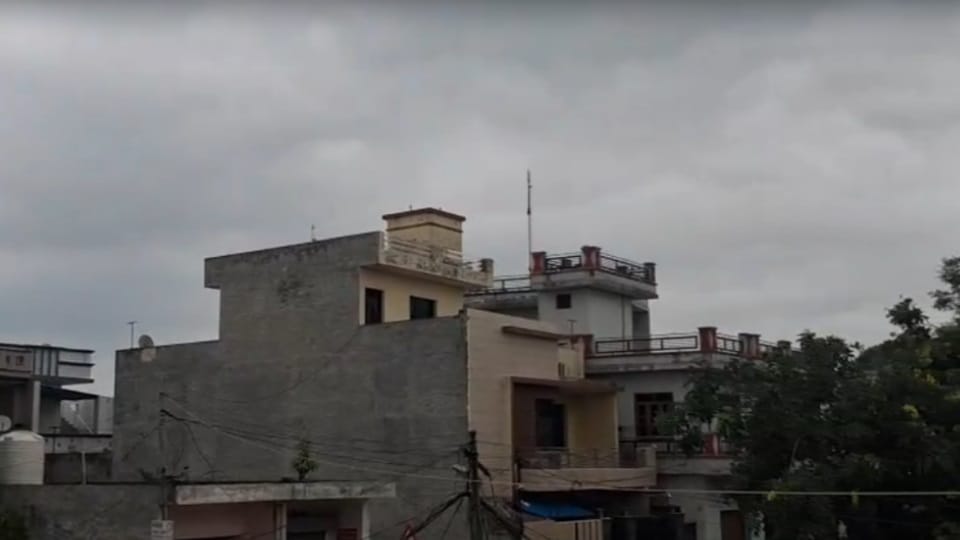
A sudden shift in atmospheric conditions has prompted weather authorities to issue an official alert for 14 districts across Rajasthan, signaling the arrival of light rainfall, gusty winds, and lightning strikes. The meteorological update highlights a transitional weather pattern affecting both western and northern belts of the state, bringing an end to the prolonged dry spell. Officials confirmed that this weather activity serves as a precursor to a sharp drop in temperatures, with cold conditions expected to intensify significantly starting 16 November across the entire geographic expanse of the region.
The current weather disturbance stems from changing atmospheric pressure systems that are routinely observed during the mid-November seasonal shift in northern India. Over the past few weeks, Rajasthan has been witnessing moderate daytime temperatures paired with mild evening cool; however, the impending rainfall is set to disrupt this pattern. Historically, early winter precipitation in the state serves as a pivotal marker for the seasonal onset, triggering a fast transition toward severe winter conditions that define the regional climate for the coming months.
According to ground reports and meteorological observations, western and northern districts are expected to bear the immediate brunt of these localized atmospheric developments. Specific locations identified in the alert include Bikaner, Sri Ganganagar, Hanumangarh, Churu, Nagaur, Phalodi, Sikar, and Jhunjhunu. These districts are anticipated to record light to moderate precipitation accompanied by sudden wind gusts, which could temporarily impact local travel, outdoor commercial activities, and daily municipal routines across urban and rural centers alike.
The agricultural community across the affected districts is keeping a close watch on the unfolding situation. For farmers currently engaged in Rabi crop sowing, light rainfall can occasionally prove beneficial for soil moisture, though accompanying lightning strikes and unpredictable winds present localized challenges for open livestock grazing and standing crops. Agricultural experts and local advisories suggest taking precautionary measures to protect harvested produce stored in open mandis and ensuring safety against electrical atmospheric discharges.
In the neighboring Kotputli-Behror region and adjacent districts bordering Shekhawati, such as Sikar and Jhunjhunu, the influence of this weather transition will be clearly felt. As cooler wind streams move eastward from the northern and western belts, local daily temperatures in the Kotputli-Behror area are projected to decline. Local markets, transportation networks, and public institutions are preparing for the ensuing temperature drop, as evening chills become more pronounced across the rural landscape.
Administrative machinery and civic bodies across the flagged 14 districts have taken note of the alert to ensure public safety and operational readiness. Advisories emphasize caution during instances of lightning and thunderstorms, urging residents to avoid taking shelter under isolated trees or near metallic structures during active rainfall. Local authorities are also maintaining monitoring protocols to address any minor disruptions to municipal power supply lines or traffic flow caused by gusty winds.
Looking ahead, meteorologists forecast that once the precipitation passes, night temperatures will register a continuous downward trend across Rajasthan. The timeline established by weather experts points directly to 16 November as the critical juncture when winter cold will expand its footprint, ushering in dense morning fog in low-lying areas and sustained low temperatures throughout the region for the remainder of the month.
