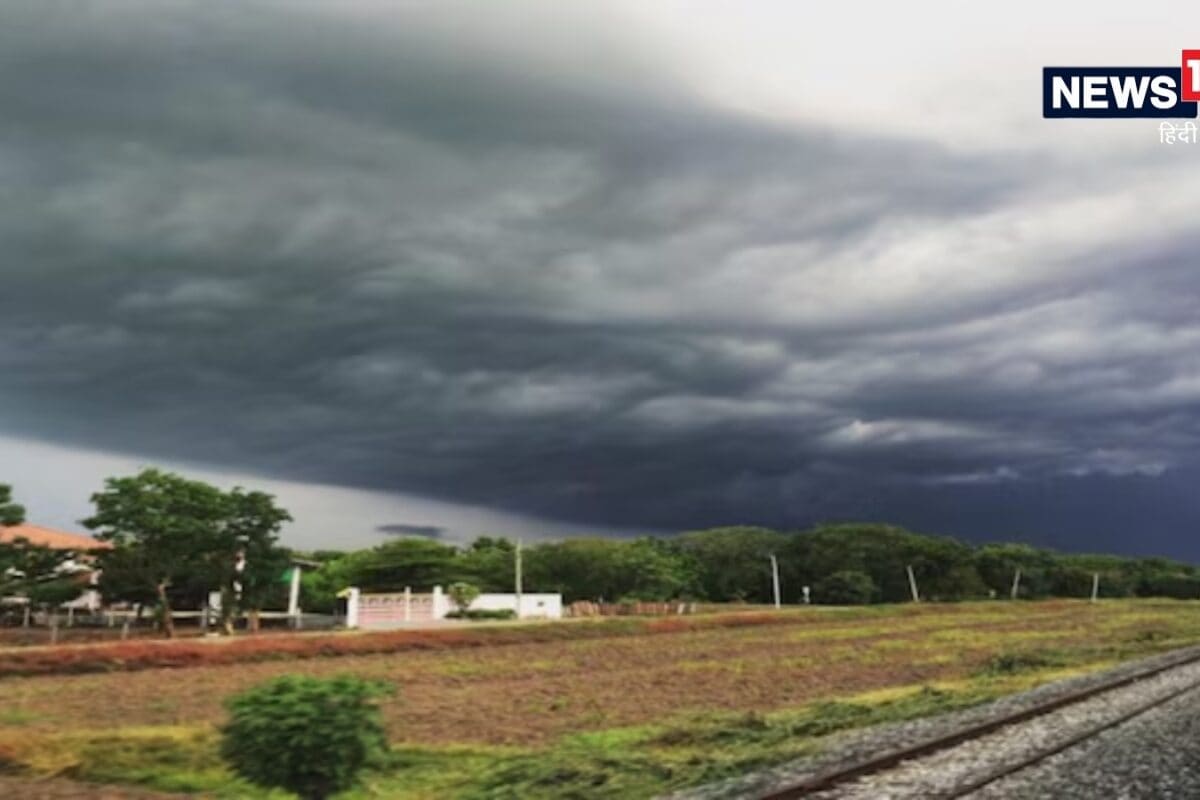
The Meteorological Department has officially issued a comprehensive weather forecast indicating a notable climatic shift across Rajasthan, driven by an approaching western disturbance. Scheduled for November 15, this atmospheric phenomenon is anticipated to bring light rainfall to various parts of the state, most prominently affecting northern and western sectors such as Bikaner and Churu. The arrival of these precipitation patterns marks a definitive transition in the seasonal cycle, signaling the deeper onset of winter conditions across the expansive terrains of the region.
Historically, the month of November in Rajasthan witnesses a gradual decline in temperatures as northern winds begin to dominate the regional weather systems. However, the introduction of a western disturbance often acts as a catalyst, temporarily disrupting standard atmospheric patterns before clearing the path for colder polar winds. Meteorological experts note that these disturbances originate in the Mediterranean region and travel eastward, frequently bringing unseasonal moisture and subsequent drops in ambient temperatures upon their departure from the northwestern plains of India.
As per the latest data released by the Meteorological Department, the immediate fallout of the November 15 rainfall will be a pronounced drop in both maximum and minimum temperatures. Statistical projections indicate a consistent decline ranging between two to three degrees Celsius across the affected zones. This quantitative reduction is not merely nominal; it represents a significant thermal shift that will alter daily thermal comfort, particularly during the vulnerable early morning and late evening hours when citizens are most exposed to environmental changes.
Local communities, agricultural stakeholders, and regional traders are closely monitoring these evolving weather reports to adjust their daily routines and operational preparations. While light precipitation can provide localized benefits to specific Rabi crops by improving soil moisture levels, sudden temperature fluctuations often raise concerns regarding health impacts, particularly among the elderly and young children. Agricultural advisors recommend that farmers remain vigilant regarding crop protection measures, while local commerce prepares for an upswing in the demand for winter garments and heating appliances.
In the Kotputli-Behror district and surrounding sub-urban sectors, residents are already observing the subtle precursor signs of atmospheric cooling, characterized by crisp morning breezes and descending evening temperatures. The expected weather system on November 15 is projected to extend its secondary atmospheric effects to these areas as well, reinforcing the broader seasonal trend. Local authorities are reviewing preparedness protocols to ensure that public infrastructure and civic amenities remain resilient against any sudden spells of adverse weather or sharp chills.
Administrative bodies and municipal departments have initiated precautionary reviews to address potential logistical challenges associated with sudden weather shifts, including fog management on major transportation routes and healthcare readiness. Public health advisories are being formulated to educate citizens on combating seasonal ailments linked to rapid temperature drops. District officials maintain ongoing coordination with meteorological monitoring cells to receive real-time updates and disseminate timely advisories to the general populace across all affected administrative blocks.
Looking forward, the upcoming days following November 15 will serve as a critical benchmark for the progression of winter in Rajasthan. As the western disturbance dissipates and clear skies return, the full quantum of the predicted two to 3 degree Celsius temperature reduction will manifest fully, entrenching cooler days and brisk nights. Residents across Bikaner, Churu, and neighboring districts must brace for sustained winter conditions, marking the conclusion of the post-monsoon warmth and the commencement of core winter governance and public welfare measures.