
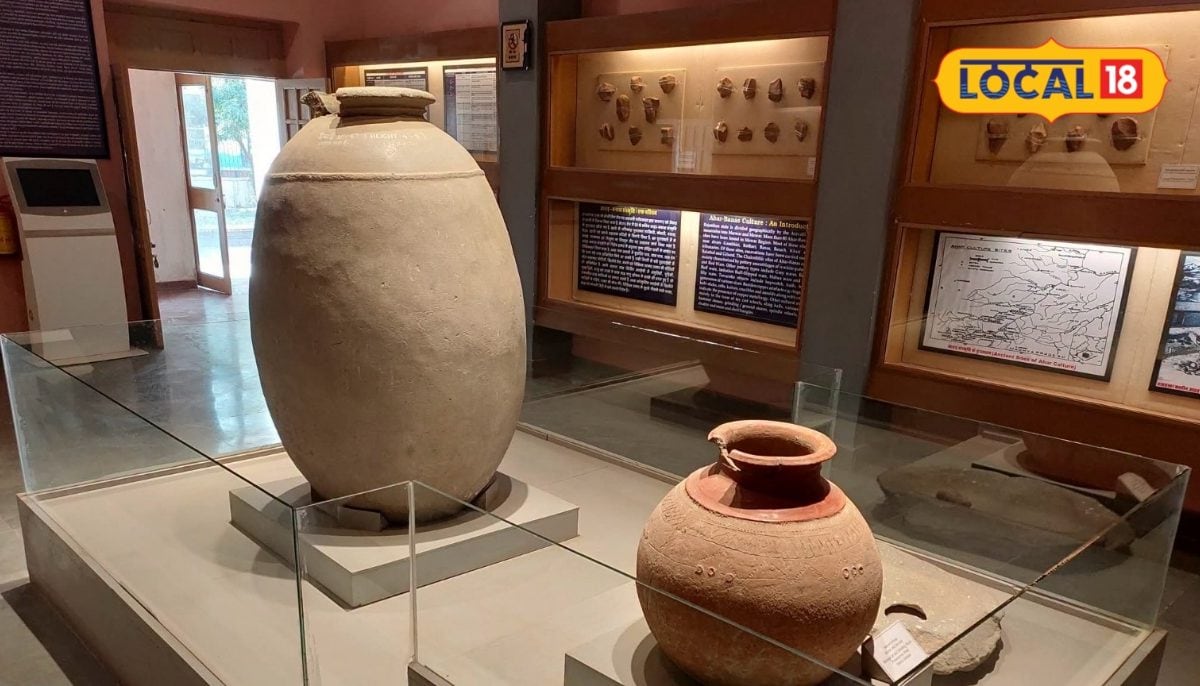
Deep within the geographical expanse of Udaipur, famous globally as the city of lakes, lies a historical treasure that predates many known regional kingdoms. Beneath the soil of the Dhulkot area, situated strategically along the banks of the Ayad River, rests an ancient human settlement that dates back approximately 4 to 5 thousand years. This historical marvel is universally recognized by historians and archaeologists as the ancient Ahar civilization, representing a vital chapter in India's protohistoric archaeological chronology.
Historically referred to and classified academically as the Ahar-Banas culture, this archaeological complex provides profound insights into the lifestyle, technological advancements, and societal structures of early agrarian communities in the region. Long before the architectural wonders and majestic royal palaces of Udaipur were conceptualized and constructed by subsequent rulers, the banks of the Ayad River supported a thriving, industrious population skilled in metallurgy, pottery, and sustainable resource management.
To safeguard, study, and display the remarkable material culture retrieved from this archaeological zone, the administration established the Ayad Archaeological Museum in the year 1960. This institution serves as the primary custodian of the artifacts recovered from rigorous excavations conducted at the Dhulkot site. Inside the museum galleries, researchers, students, and heritage enthusiasts can observe a meticulously cataloged collection of ancient pottery, earthenware, copper implements, household tools, and terracotta figurines.
Archaeological experts, historians, and cultural preservationists frequently emphasize the immense educational and scientific value of the Ahar civilization site. Local stakeholders and museum authorities note that every excavated artifact recovered from the Dhulkot region adds a critical piece to the complex puzzle of ancient human migration, trade networks, and technological evolution in the Mewar region, bridging the gap between prehistoric societies and early historic urban centers.
While the direct geographical footprint rests in Udaipur, the historical reverberations of discoveries like the Ahar civilization extend to cultural enthusiasts and educational curriculums across Rajasthan, including districts such as Kotputli-Behror. Understanding the ancient metallurgical and agricultural techniques of the Ahar-Banas culture fosters a deeper appreciation for indigenous innovation, inspiring regional heritage tourism and academic research throughout the state.
Administrative oversight and heritage management bodies continue to maintain the Ayad Archaeological Museum to ensure the long-term preservation of these fragile antiquities. Conservation architects and museum curators collaborate to implement optimal lighting, humidity control, and security measures to protect the rare copper items and pottery pieces from environmental degradation, ensuring that future generations can study these tangible links to antiquity.
Looking toward the future, academic institutions and cultural preservation departments anticipate expanded archaeological surveys and community outreach programs centered around the Dhulkot site. By promoting public awareness, educational workshops, and guided museum tours, authorities aim to elevate the global profile of the Ahar civilization, reinforcing Udaipur's identity not only as a city of lakes but as a cradle of ancient human civilization.
