
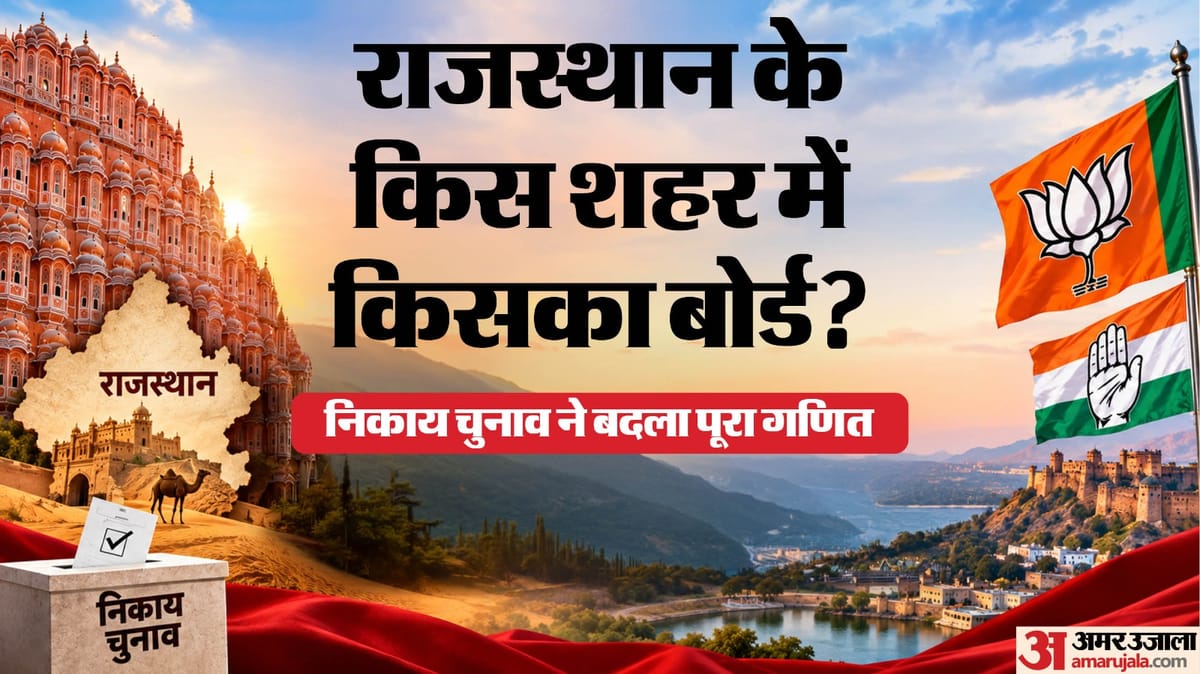
The political landscape across Rajasthan has entered a highly charged phase following the conclusion of the municipal elections, as political parties intensify their efforts to secure power and form administrative boards. The focus has decisively shifted from campaigning to intense behind-the-scenes negotiations, coalition building, and strategic alignments in various civic bodies throughout the state. Leaders from major political organizations are leaving no stone unturned to muster the necessary numbers required to claim leadership of the local municipal boards.
Historically, municipal elections in Rajasthan serve as crucial barometers of grassroots political sentiment, often reflecting the underlying currents of state-level politics. The aftermath of these local polls traditionally witnesses frantic political activity, where party loyalties are tested and strategic alliances are forged. This year's election cycle has proven to be no exception, setting the stage for high-stakes competition as parties vie for administrative control over urban local bodies that manage essential municipal services and local infrastructure.
A major development highlighting this volatile political environment unfolded in Khairthal, where 11 councillors originally belonging to the Congress party officially switched allegiance and joined the Bharatiya Janata Party (BJP). This substantial defection has dramatically altered the arithmetic of board formation in the region, providing a significant numerical advantage to the BJP while dealing a severe blow to the opposition's prospects of securing the municipal leadership.
Beyond party-wise defections, the overarching narrative of these municipal elections centers around the powerful role played by independent candidates. Across several urban bodies in Rajasthan, independents have secured crucial victories, positioning themselves as kingmakers in the ongoing quest for majority support. Both major political camps are actively engaged in courting these independent victors, offering various assurances to secure their backing for the upcoming board elections.
The outcomes of these local political maneuvers carry considerable weight for regional governance, affecting civic administration, urban development projects, and public service delivery at the grassroots level. Citizens and local traders across affected districts are closely monitoring the political developments, as the stability and efficiency of the forthcoming municipal boards will directly impact daily civic management and infrastructural progress in their respective areas.
Administrative authorities and district election officials are maintaining strict vigil over the developments, ensuring that the procedural guidelines for board formation are adhered to in accordance with state municipal laws. Security arrangements and official protocols have been reinforced around counting centers and municipal offices to facilitate a smooth, transparent, and orderly transition of local governance.
As political parties finalize their strategies and engage in intense deliberations with newly elected representatives and independent winners, the formal dates for the board formation meetings and presidential elections are expected to be announced shortly. The coming days will ultimately decide which political coalition successfully navigates the complex web of defections and alliances to take control of the municipal boards across Rajasthan.