
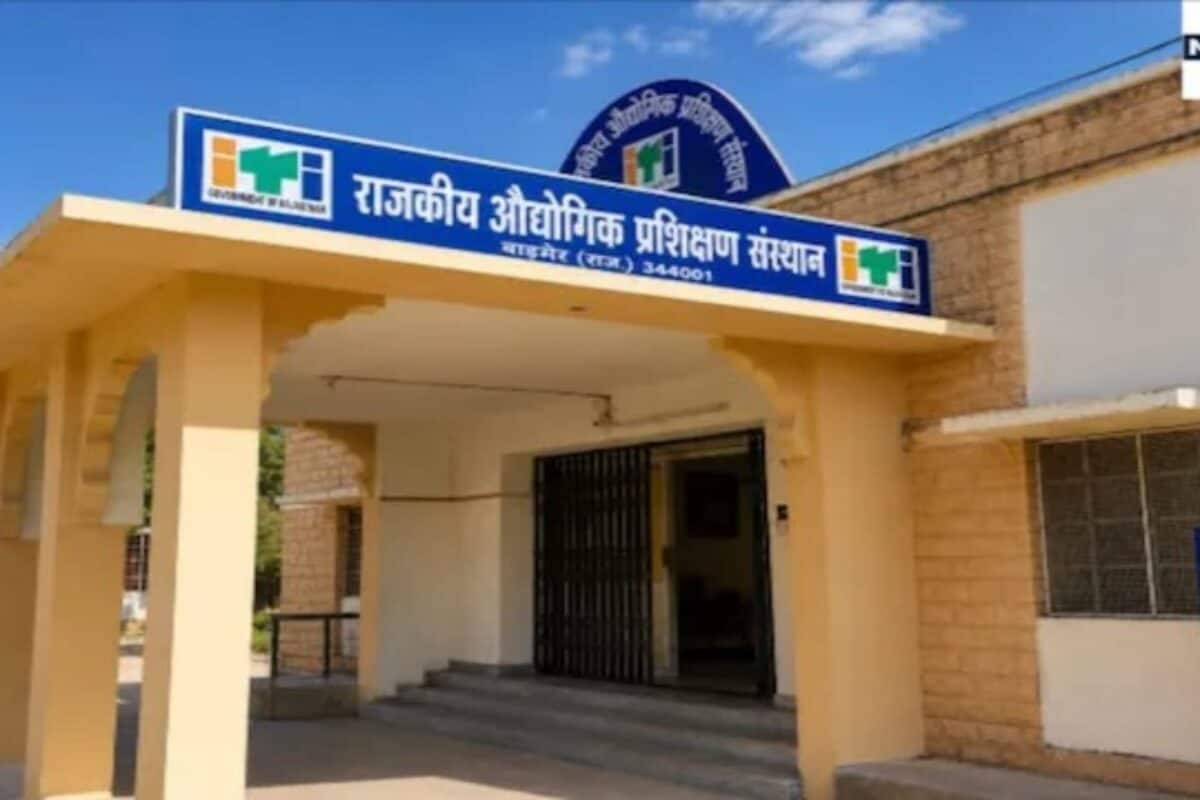
In a major development aimed at transforming the landscape of technical education and vocational training, the implementation of the PM-SETU scheme is poised to create unprecedented opportunities for the youth of Rajasthan. This ambitious nationwide initiative focuses on reinforcing the core infrastructure of technical training institutions, ensuring that the younger generation is adequately equipped to meet the evolving demands of modern industries.
Historically, technical training frameworks across various regions have faced structural challenges, often lagging behind rapid industrial advancements and technological shifts. Recognizing this critical gap, policymakers formulated the comprehensive PM-SETU scheme to systematically upgrade government Industrial Training Institutes (ITIs), bridging the persistent divide between academic instruction and practical, industry-driven skill sets.
At the heart of this massive modernization drive is a substantial financial outlay of 60,000 crore rupees, dedicated to reshaping the physical and technological landscape of vocational education. Under this overarching framework, a highly integrated network comprising 1,000 ITIs nationwide will be systematically developed, featuring a strategic distribution of 200 hub institutions and 800 spoke institutes to maximize geographical reach and operational efficiency.
Industry experts, vocational educators, and administrative stakeholders have expressed profound optimism regarding the direct implications of this structured network. By fostering collaborative linkages between central hubs and regional spoke institutes, the initiative ensures standardized delivery of high-quality technical education, thereby instilling greater confidence among prospective employers and industry leaders.
For the state of Rajasthan, this transformative initiative holds immense promise in amplifying regional economic growth and industrial productivity. The local economy stands to benefit extensively as the technical education framework is elevated to global standards, ensuring a steady stream of highly skilled technicians and craftsmen who can seamlessly integrate into local and regional manufacturing sectors.
To support these structural upgrades, administrative oversight and institutional measures are being rapidly implemented to oversee the transition of government ITIs into advanced learning centers. Five national skill training institutes are simultaneously being converted into Centers of Excellence through strategic global partnerships, guaranteeing that local instructors also receive world-class training methodologies.
Looking forward, the systematic rollout of over 32 new specialized courses will introduce students to cutting-edge technologies, while the broader network timeline points toward a robust future for public technical education. As these administrative procedures unfold, public expectations remain high that the initiative will successfully address local unemployment challenges and establish a benchmark for vocational excellence in Rajasthan.
