
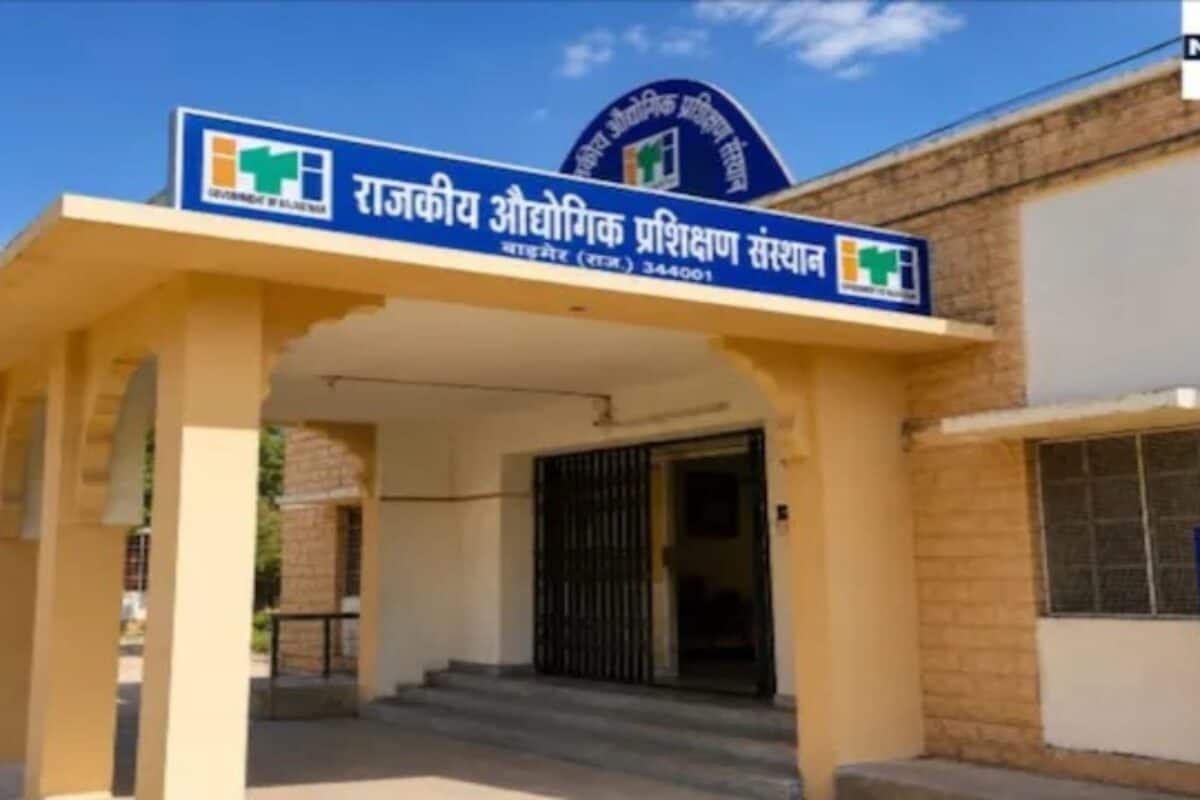
In a landmark development aimed at fundamentally transforming technical education and industrial training standards across the region, the state has officially approved a comprehensive strategic investment plan worth 241 crore rupees for the development of the Bhiwadi ITI cluster. This large-scale infrastructural overhaul is meticulously designed to bridge the persistent gap between academic technical training and the evolving skill requirements of modern manufacturing and industrial sectors. By establishing a robust institutional framework, the initiative seeks to empower youth with contemporary technical competencies that directly align with current market demands.
The conceptual foundation of this ambitious project is deeply rooted in the necessity to upgrade legacy training systems that have historically struggled to keep pace with rapid technological advancements in the industrial corridors. Recognizing the critical need for industry-integrated education, policymakers formulated this intervention to synergize public sector resources with private sector expertise. The historical reliance on theoretical instruction is now being systematically replaced by experiential, practical learning environments that simulate actual factory floors and modern technological workshops.
At the financial and logistical core of this initiative lies a substantial capital infusion of 241 crore rupees, specifically allocated to upgrade physical and digital infrastructure across multiple designated nodes. Under the framework of the PM-Setu scheme, the flagship Government ITI in Bhiwadi is slated for comprehensive modernization to function as the central hub of technical excellence. Surrounding institutions located in Alwar, Neemrana, Tijara, and Kishangarhbas will strategically operate as spoke institutes, creating an interconnected educational network that ensures uniform distribution of advanced training resources throughout the region.
Key stakeholders and industrial partners have expressed immense optimism regarding the collaborative governance model adopted for this project, where the central government, state administration, and industry leaders work in seamless tandem. HG Infra Engineering Limited has officially been appointed as the anchor industry partner, bringing invaluable corporate insights, operational efficiencies, and practical mentorship directly to the student body. Through this participatory approach, curricula will be continuously refined to reflect real-world engineering and manufacturing challenges, thereby enhancing the employability quotient of every enrolled student.
The regional ramifications of this infrastructural upgrade are particularly profound for the wider industrial belt, creating a ripple effect of economic growth and skill development. Local manufacturing units and upcoming industries within the designated districts will now have immediate access to a highly skilled, locally trained workforce, reducing recruitment timelines and operational training costs. This targeted enhancement in technical human capital is expected to attract further corporate investments into the region, subsequently generating sustainable employment opportunities for the local youth and fostering long-term socio-economic prosperity.
Administrative oversight and statutory execution are being managed with strict adherence to governance benchmarks, ensuring transparency and accountability at every stage of project implementation. By officially signing the pioneering shareholder agreement for this scheme, the state administration has demonstrated proactive leadership, setting a benchmark for cooperative federalism and public-private partnerships in technical education. Regular monitoring committees comprising state officials and industry representatives will oversee the timely execution of civil works, procurement of advanced machinery, and faculty development programs.
