
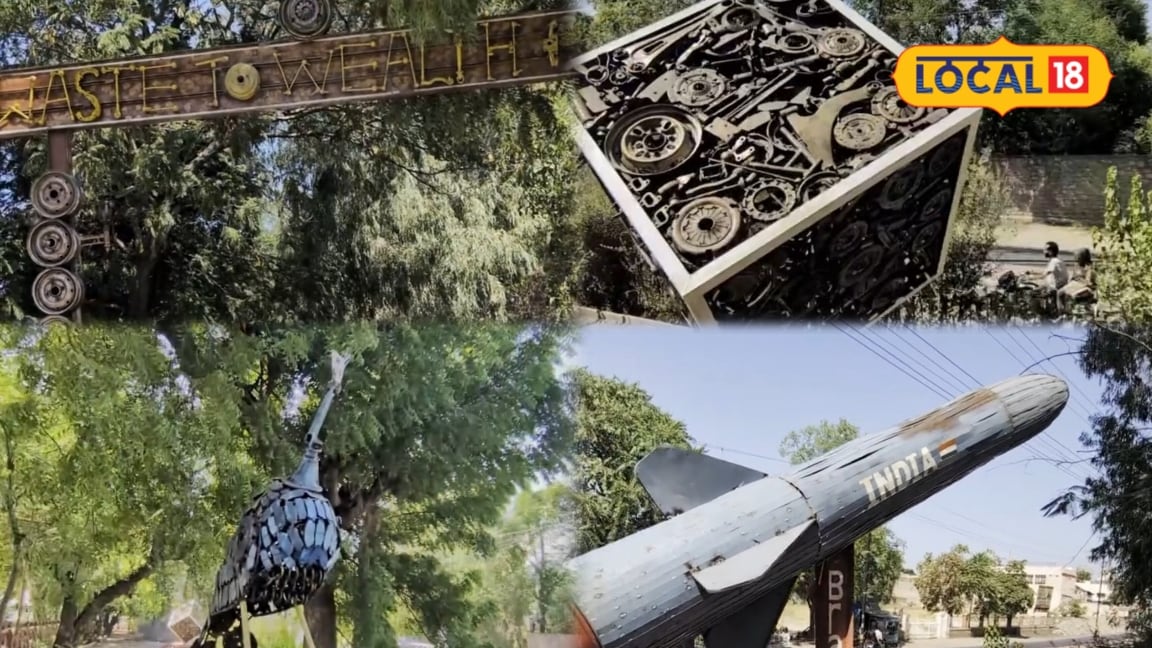
In an extraordinary display of urban resourcefulness and ecological stewardship, the municipal authorities in Pali have successfully converted discarded metallic waste into a captivating cultural attraction. Located within the premises of Shaheed Udyan in Pali city, the newly established scrap museum stands as a testament to the innovative reuse of automotive refuse. By repurposing materials that would otherwise contribute to urban landfills, the municipal administration has redefined public park landscaping through creative environmental engineering.
The genesis of this remarkable initiative lies in the conscious administrative decision to promote environmental conservation while simultaneously beautifying public recreational spaces. Urban areas generate massive quantities of vehicular scrap on a daily basis, ranging from worn-out brake shoes to discarded clutch plates and unusable iron wheels. Recognizing the artistic potential hidden within these industrial remnants, local artisans and municipal workers collaborated to channel discarded metal into meaningful structural expressions.
A detailed examination of the museum grounds reveals an astonishing array of intricate installations crafted entirely from scrap metal. Among the most prominent visual masterpieces are a majestic representation of the national bird, the peacock, and an inspiring configuration of the map of India constructed meticulously from discarded vehicular wheels. Furthermore, visitors can witness whimsical and precise sculptures including a giant ludo dice and a musical guitar, all fashioned from rusted or discarded industrial components.
Public response to the establishment of the Pali Shaheed Udyan Scrap Museum has been overwhelmingly positive, capturing the imagination of environmentalists, art enthusiasts, and everyday citizens alike. Community stakeholders and regular visitors have lauded the municipal administration for introducing an educational element into public recreation. The exhibits serve as a tangible reminder to the younger generation regarding the immense possibilities of upcycling and sustainable living within modern urban ecosystems.
Beyond its immediate aesthetic value, this unique municipal project holds significant implications for regional urban development practices across the surrounding districts. By demonstrating that environmental sustainability can be successfully merged with artistic expression, Pali city has set a commendable benchmark for neighboring municipal bodies. The initiative encourages local authorities to rethink waste management strategies, moving beyond traditional disposal methods toward creative circular economy practices.
Administrative oversight and infrastructural maintenance of the Shaheed Udyan site have been prioritized by the municipal corporation to ensure the longevity of these metallic artworks. Special protective coatings have been applied to the scrap sculptures to withstand seasonal weather variations and prevent corrosion. Municipal officials continue to monitor the upkeep of the park, ensuring that safety standards are maintained for the safety of the numerous families and children visiting the grounds daily.
Looking toward the future, the municipal administration anticipates that the scrap museum will continue to draw increasing numbers of tourists, thereby boosting local footfall and civic pride. Plans are reportedly underway to further expand the collection of waste-to-art installations by incorporating additional discarded materials from local mechanical workshops. Through such sustained efforts, Shaheed Udyan remains a shining example of how municipal vision and community participation can successfully transform urban neglect into enduring public heritage.
