
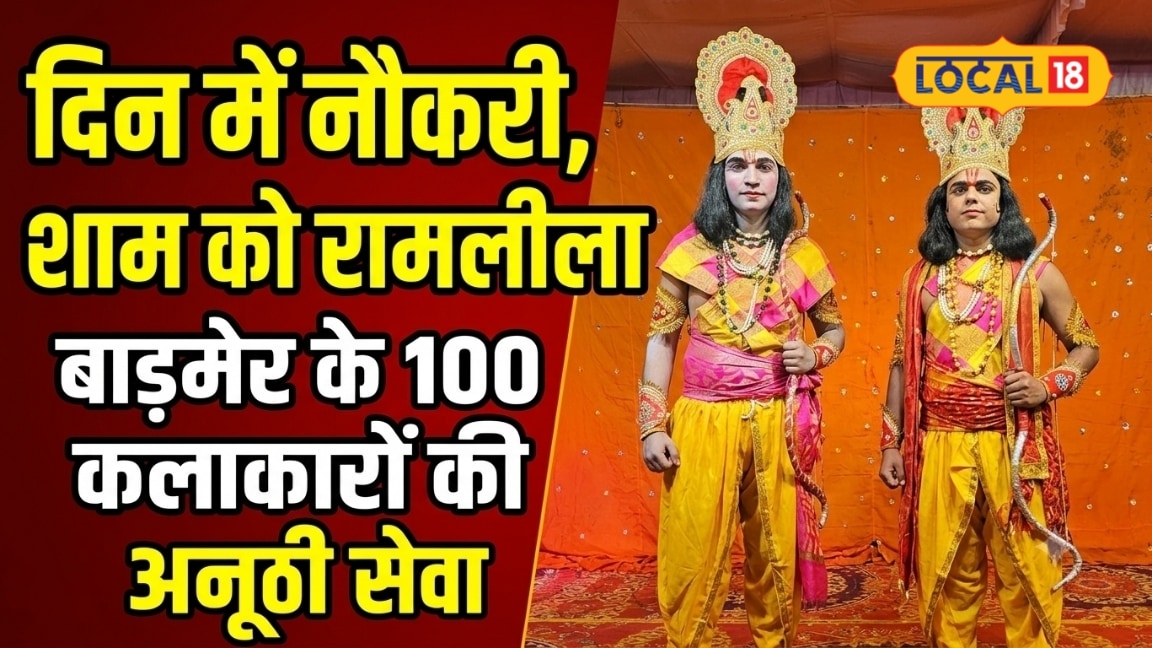
In the vibrant cultural landscape of Barmer, a profound and enduring tradition of theatrical devotion continues to captivate audiences, proving that certain forms of service transcend the boundaries of monetary compensation. Amid modern commercialization, where every performance typically demands substantial financial remuneration, the historic Ramlila of Barmer stands apart as a shining beacon of pure, unadulterated dedication. Here, the traditional boundaries between professional theater and spiritual devotion dissolve completely, creating an atmosphere charged with reverence, community bonding, and artistic sincerity.
The historical roots of this magnificent tradition trace back to the year 1979, marking decades of uninterrupted cultural continuity within the region. Since its inception, the staging has grown from humble beginnings into a grand institutional celebration, largely owing to the steadfast leadership and visionary guidance of Ramlila Committee President Pradeep Kumar Joshi. Over successive generations, this committee has painstakingly preserved the authentic nuances of the epic narrative, ensuring that traditional values, classical music, and dramatic expressions are faithfully transmitted to contemporary audiences without dilution.
Examining the ground reality of this grand production reveals remarkable logistical coordination driven entirely by voluntary commitment rather than contractual obligations. Presently, a dedicated cohort of nearly 100 local individuals steps forward annually to shoulder the immense responsibility of staging the epic. These participants seamlessly integrate intensive evening rehearsals and demanding stage performances into their already rigorous daily professional routines, balancing their regular livelihoods with exhaustive theatrical preparations.
The most compelling dimension of this entire endeavor remains the absolute absence of any financial transaction between the organizers and the performers. Whether an artist is entrusted with portraying the revered central figures of Lord Rama and Lakshmana or tasked with embodying the complex and formidable character of Ravana, not a single individual accepts any form of honorarium, salary, or daily allowance. For these performers, the opportunity to serve as vessels for divine storytelling is considered the ultimate spiritual reward, far surpassing any material compensation that commercial theater could possibly offer.
The broader cultural and societal impact of this unique Ramlila reverberates deeply throughout the local community of Barmer, fostering an environment of communal harmony, ethical reflection, and shared heritage. Families, youth, and elders gather in large numbers every single evening during the performance season, transforming the venue into a vibrant epicenter of socio-cultural interaction. This collective engagement reinforces moral values and keeps ancient literary traditions vibrantly alive in the collective consciousness of the district.
Behind the seamless execution of such a massive annual event lies meticulous planning by the Ramlila Committee under the active stewardship of Pradeep Kumar Joshi, who coordinates costuming, stage design, and logistical requirements through community contributions and goodwill. While formal administrative interventions or commercial sponsorships are largely absent, the unyielding enthusiasm of local citizens and the passionate dedication of the participants themselves serve as the primary institutional pillars supporting the entire enterprise year after year.
Looking toward the future, the organizers and the community of Barmer remain resolutely committed to preserving this pristine model of volunteer-driven cultural preservation. As newer generations of artists step forward to embrace their traditional roles alongside seasoned veterans, the historic Ramlila continues its triumphant march forward. By steadfastly rejecting commercialization and anchoring itself firmly in selfless devotion, the Barmer Ramlila sets an inspiring benchmark for cultural stewardship across the wider region.
