
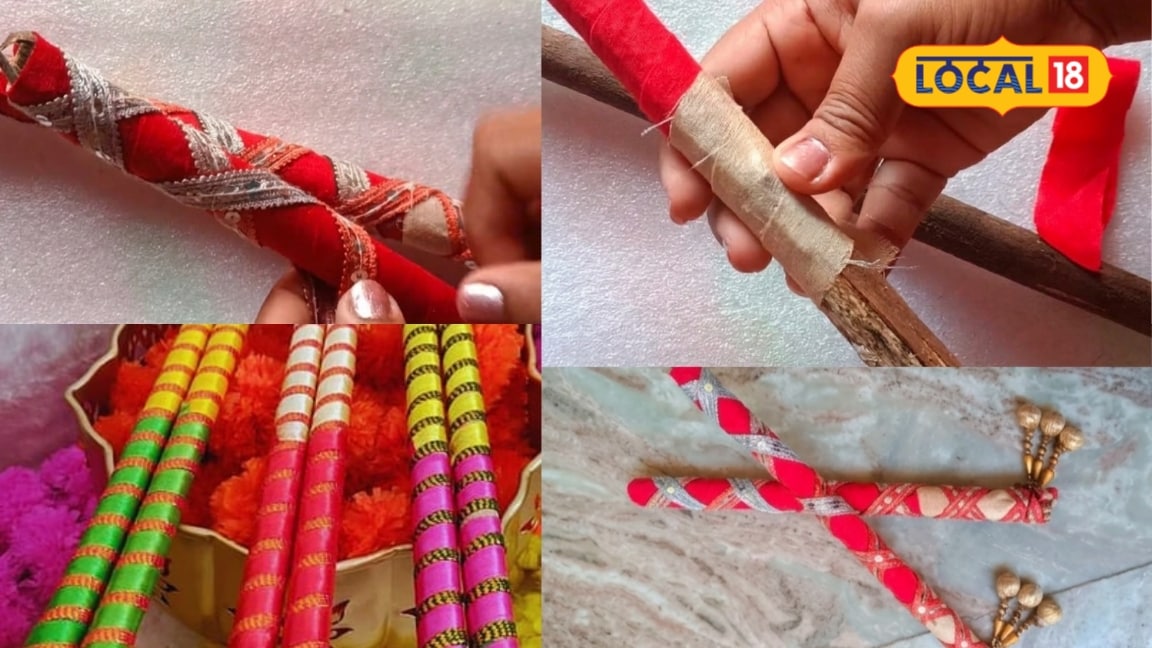
As the vibrant festival of Sharad Navratri commences across the region, households are witnessing a remarkable and innovative shift in how traditional celebrations are approached. Eschewing the conventional reliance on commercial marketplaces, citizens are actively embracing do-it-yourself methodologies to craft festive accessories entirely from household waste and discarded materials.
Historically, festive preparations involved purchasing mass-produced plastic and wooden accessories from local commercial vendors. However, rising economic considerations combined with an escalating global awareness regarding environmental sustainability have prompted communities to re-evaluate their seasonal consumption habits and return to grassroots resourcefulness.
The foundational technique of this seasonal craft relies heavily on utilizing ordinary items such as old newspapers, cardboard remnants, and miscellaneous household discards. By rolling these discarded papers with extreme tightness and precision, artisans and families are discovering that the resulting structural density can match, and sometimes exceed, the durability of traditional wooden implements.
Community members and crafting enthusiasts have expressed immense satisfaction with this creative endeavor, noting that it provides a fulfilling hands-on activity for families during the festive period. Furthermore, eliminating the need to purchase commercial plastic dandiya directly translates to notable financial savings for households managing constrained festive budgets.
The resonance of this eco-friendly trend extends deep into local communities, inspiring neighborhood groups and educational circles to organize collaborative crafting workshops. By transforming waste into artistic utility, residents are fostering a culture of upcycling that minimizes municipal waste generation during heavy festival periods.
While traditional administrative and municipal bodies primarily focus on large-scale public sanitation and crowd management during Navratri, informal initiatives like these receive widespread community endorsement for promoting sustainable civic behavior without requiring formal regulatory intervention.
Looking forward, cultural commentators and environmental advocates anticipate that this grassroots trend of DIY festive crafting will continue to grow in popularity in subsequent years. As awareness surrounding plastic pollution deepens, creative alternatives using household waste are poised to become a permanent and cherished aspect of regional cultural celebrations.
