
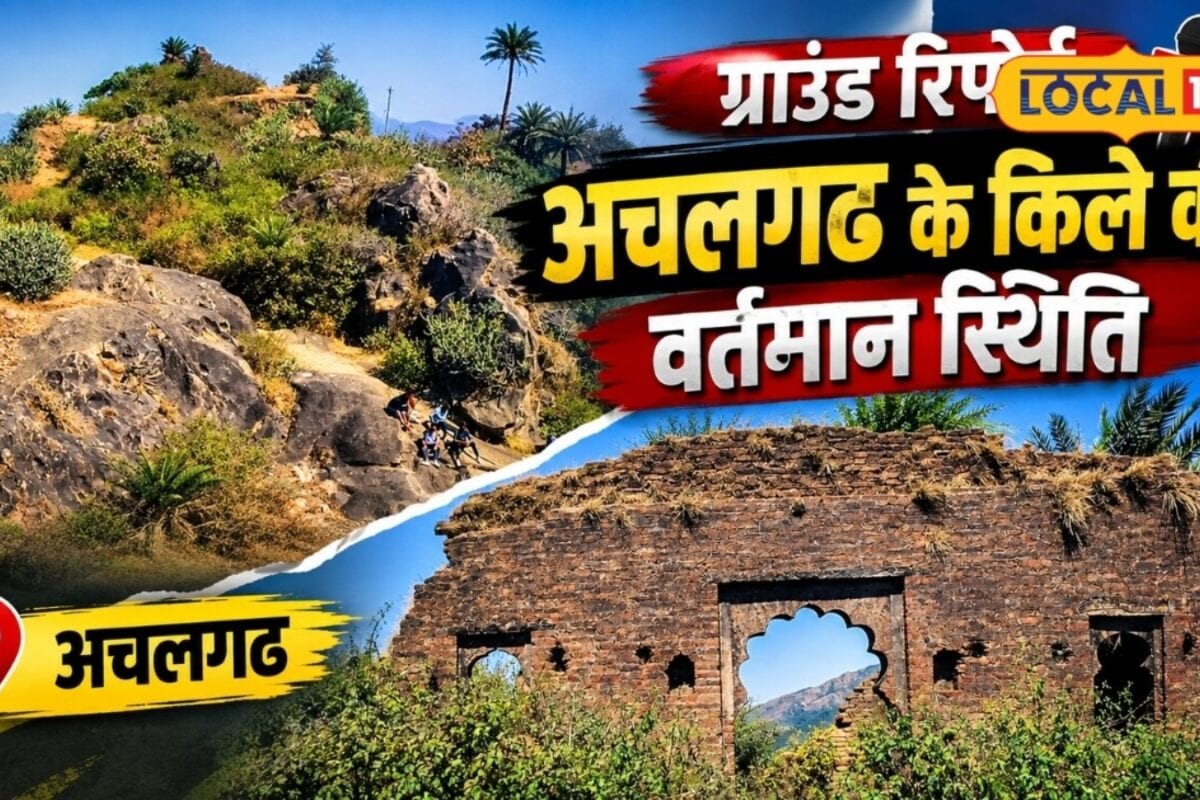
The historic Achalgarh Fort, situated in the picturesque hill station of Mount Abu within the Sirohi district of Rajasthan, stands today as a glaring testament to administrative neglect. Despite being a prominent landmark that continues to attract numerous tourists from across the region to witness its striking ruins, the monument suffers from a profound lack of basic conservation and structural maintenance. The structural degradation of this ancient site has sparked serious concerns among heritage enthusiasts and local citizens regarding the long-term preservation of the region's rich architectural legacy.
Delving into the historical roots of the location, the origins of the Achalgarh Fort trace back to the ancient Paramara dynasty, who originally constructed the foundational fortress as a strategic stronghold in the region. Centuries later, the fortification underwent a significant restoration under the visionary leadership of Maharana Kumbha, who enhanced its architectural and defensive capabilities. This dual historical lineage imbues the site with immense cultural and historical value, making it an invaluable chapter in the broader history of the region.
The current ground reality at the site presents a stark contrast to its glorious historical past, as visitors navigating the area encounter widespread ruins, crumbling ramparts, and overgrown vegetation lacking basic infrastructural support. While the majestic ruins continue to draw heritage tourists and history enthusiasts eager to explore the remnants of the past, the absence of guided restoration initiatives threatens the very existence of these historical structures. Financial allocations and logistical oversight from relevant departments remain conspicuously absent on the ground, leaving the site vulnerable to environmental erosion and natural weathering.
Local stakeholders, frequent visitors, and tourism observers have repeatedly voiced their frustrations concerning the ongoing apathy of the concerned departments toward the upkeep of the fortress. Observers note that while tourism drives significant footfall to Mount Abu, the revenue generated fails to translate into direct conservation investments for foundational heritage assets like Achalgarh. Community representatives emphasize that ignoring such prominent historical sites not only diminishes cultural tourism potential but also leads to an irreversible loss of tangible heritage for future generations.
The implications of this neglect extend beyond local tourism concerns, resonating across the wider region of Rajasthan where heritage preservation serves as a pillar of community identity and regional economy. Citizens across various districts, including areas like Kotputli-Behror, view historical preservation as a collective responsibility that demands proactive governance and transparent utilization of public resources. The deterioration of monuments in prominent tourist hubs like Mount Abu signals a broader systemic gap in archaeological oversight and localized heritage management.
In response to the growing public discontent and media scrutiny, heritage advocates and civic groups are intensifying calls for immediate administrative intervention and statutory oversight from the state government. Demands include the formulation of a comprehensive restoration blueprint, deployment of specialized conservation architects, and establishment of dedicated funding channels to halt further structural decay. Local authorities are increasingly expected to address these grievances through transparent action plans rather than temporary cosmetic fixes.
Looking ahead, the timeline for potential administrative intervention remains uncertain, heightening public anxiety regarding the ultimate fate of the historical fortification. Experts stress that unless stringent preservation protocols and regular maintenance schedules are implemented swiftly, the remnants of the Achalgarh Fort may be lost permanently to time and neglect. Public expectations now center on the immediate initiation of expert-led restoration works to safeguard this vital monument for posterity.
