
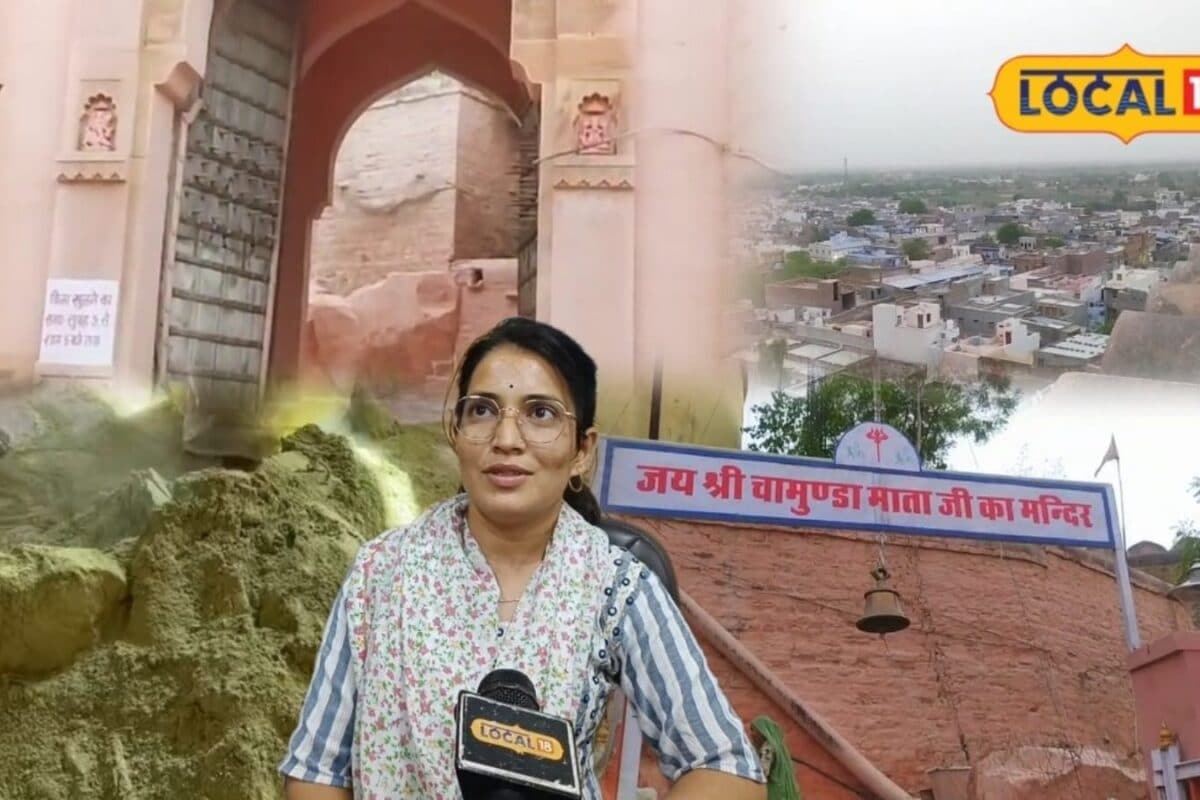
If you are planning an excursion in Rajasthan that offers a seamless blend of rich history, deep religious devotion, and vibrant local traditions, Sojat in Pali district emerges as an exceptional destination. This historic town has earned distinct international recognition primarily due to its world-famous henna, locally known as Mehendi, which adorns the hands of people across the globe with its deep, dark coloration. The geographical and climatic conditions of this region create an ideal environment for cultivating superior quality henna crops, drawing travelers, botanists, and culture enthusiasts from far and wide.
Beyond merely purchasing the final product from commercial outlets, visitors to Sojat are offered a rare and holistic opportunity to witness the entire lifecycle of the crop. From sprawling agricultural fields where farmers meticulously tend to the plants, to local processing units where leaves are harvested, dried, and pulverized into fine green powder, every single step of the production process unfolds before the eyes of the curious traveler. Engaging directly with local farmers provides profound insights into traditional agricultural practices, indigenous crop management, and the laborious journey required to transform raw harvest into a globally exported commodity.
Complementing its agricultural marvels, the architectural grandeur of the historic Sojat Fort stands tall as an enduring testimony to the region's glorious and turbulent past. Overlooking the town, the ancient fortress provides magnificent panoramic views and serves as a vital historical monument for history buffs and heritage researchers. The strategic architectural design of the fort reflects the defensive measures and lifestyle of bygone royal eras, cementing Sojat's status as a significant historical landmark in the geographical expanse of Rajasthan.
In addition to its historical and agricultural prominence, Sojat holds immense spiritual significance for devotees and pilgrims traversing through Pali district. The town and its immediate surroundings are dotted with revered shrines, prominently featuring the holy abodes of Amba Mata and Chamunda Mata, which attract thousands of worshippers during festive seasons and throughout the year. Furthermore, the presence of the revered Chaturbhuj Nath Temple and the sacred Ramdevra Dham in the vicinity further enriches the spiritual circuit, making it a comprehensive pilgrimage and leisure destination.
The cultural experience of Sojat remains incomplete without exploring its bustling traditional markets, which serve as the beating heart of local commerce and indigenous craftsmanship. Visitors wandering through the vibrant lanes are greeted by an array of authentic goods, ranging from freshly packaged authentic Sojat henna powder to exquisite Rajasthani Bandhej textiles and intricate handicrafts. Concurrently, local culinary vendors offer a delightful selection of traditional Rajasthani sweets and snacks, providing an authentic taste of local heritage that lingers long after the journey concludes.
Local tourism authorities, cultural societies, and trade associations continue to coordinate efforts to promote sustainable tourism in Sojat, ensuring that the traditional art of henna cultivation and processing is preserved for future generations. Educational tours organized for agricultural students and cultural researchers have further amplified the town's reputation as a living museum of indigenous enterprise. These collaborative measures aim to bolster the local economy while maintaining the delicate balance between commercial expansion and cultural preservation.
Looking ahead, the future of tourism in Sojat appears exceptionally promising, with rising interest from international and domestic travelers seeking authentic, experiential journeys rather than conventional sightseeing. As infrastructure improvements continue to facilitate smoother travel across Pali district, Sojat is poised to expand its footprint on the global tourism map. Visitors arriving in the region can anticipate an unforgettable immersion into the heartland of Rajasthan, where every grain of henna tells a compelling story of soil, tradition, and timeless heritage.
