
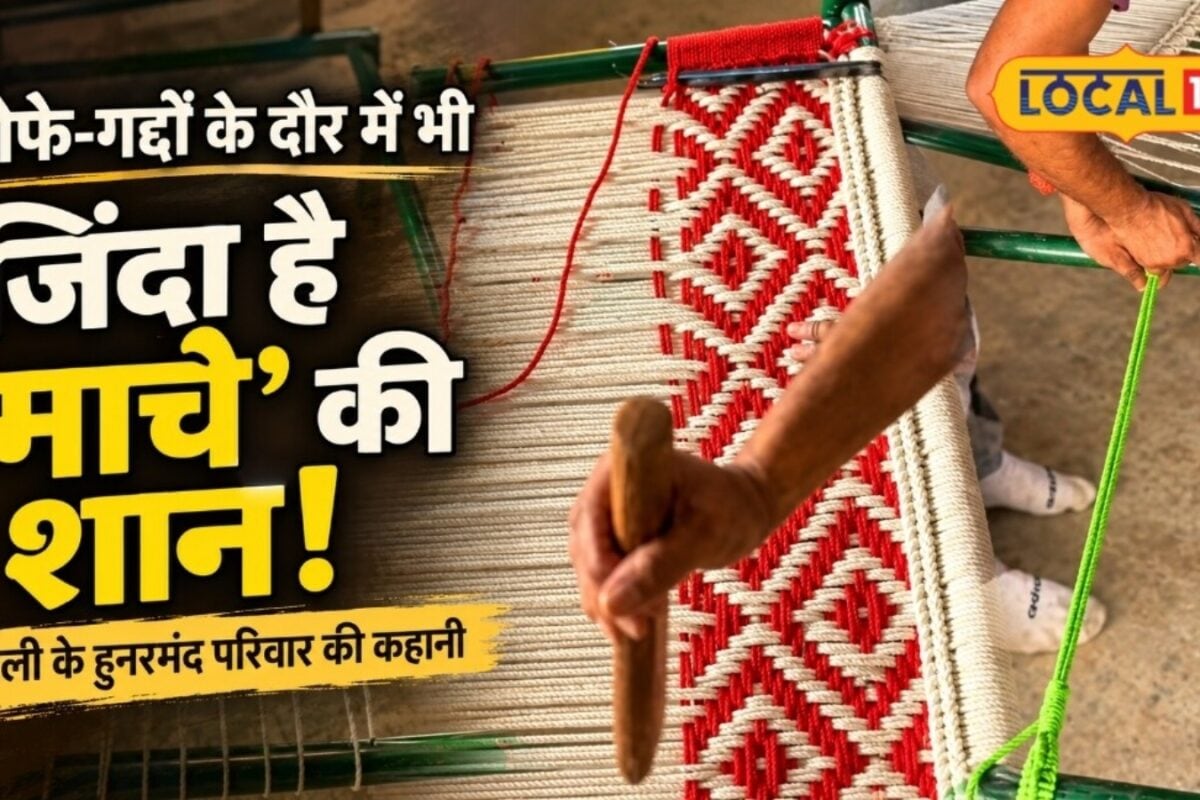
In an era dominated by sleek, machine-made modern furniture and mass-produced interior decor, a dedicated family in the Pali district of Rajasthan continues to defy contemporary trends. This skilled household resolutely refuses to abandon its ancestral heritage, choosing instead to sustain the centuries-old traditional craft of hand-weaving indigenous furniture known locally as maches. Through sheer dedication and unwavering manual labor, they are successfully keeping a vital part of local folk culture alive for current and future generations.
The historical roots of weaving maches run deep within the cultural tapestry of the region. Passed down orally and through rigorous hands-on practice across multiple generations, this artisanal practice represents more than mere carpentry or seating fabrication. It serves as a tangible link to a simpler, sustainable past where utility and craftsmanship merged seamlessly. While neighboring communities transitioned toward synthetic materials and imported designs, this family maintained the unbroken lineage of their traditional craft, preserving techniques that rely entirely on human dexterity and natural elements.
Examining the ground reality of this traditional occupation reveals a fascinating intersection of heritage preservation and emerging commercial viability. Far from being a dying art relegated to forgotten corners, the demand for these hand-woven maches has witnessed an unexpected yet robust resurgence. Medical and wellness experts frequently note the ergonomic and spinal benefits of traditional woven seating, which has transformed these humble items into sought-after commodities praised for promoting physical well-being. Consequently, their presence is no longer confined to rural courtyards; they now command prominent spaces in commercial establishments.
Market dynamics for these handcrafted items reflect a surprising shift in consumer preferences, with the commercial footprint of these maches expanding into diverse hospitality sectors. From modest roadside eateries and traditional roadside dhaba establishments seeking authentic ethnic aesthetics to ultra-luxurious five-star hotels aiming to offer guests a touch of indigenous rustic elegance, the clientele has grown exponentially. Artisans and local traders observe that contemporary interior designers increasingly recognize the aesthetic and functional value of integrating these health-friendly traditional pieces into modern architectural layouts.
The broader regional implications of this sustained craftsmanship resonate strongly across the local economy of Pali and neighboring administrative zones, including areas connected to Kotputli-Behror. By demonstrating that traditional skills can remain economically viable in a competitive market, this family inspires other rural artisans to value their indigenous heritage. The revival of interest in hand-woven maches stimulates localized supply chains for natural fibers and raw materials, thereby offering a sustainable livelihood model that relies on indigenous resources rather than industrial supply dependencies.
Despite the commercial revival and growing appreciation from the public, artisans engaged in this labor-intensive trade continue to navigate various infrastructural and logistical challenges. Observers and community advocates emphasize the necessity for targeted institutional support, financial credit facilities, and organized platforms to showcase traditional handicrafts. While formal administrative measures specifically tailored for mache weavers are still evolving, the sheer market momentum generated by consumer demand is currently serving as the primary driver for the craft's ongoing survival and economic sustenance.
Looking toward the future, the outlook for this ancestral craft appears cautiously optimistic, provided that generational knowledge transfer remains robust. As modern consumers increasingly prioritize health-conscious, eco-friendly, and culturally authentic products, hand-woven maches are well-positioned to retain their newly acquired market prominence. The continued perseverance of the Pali family ensures that this invaluable thread of regional folk culture will endure, bridging the gap between historical craftsmanship and contemporary lifestyle preferences for years to come.
