
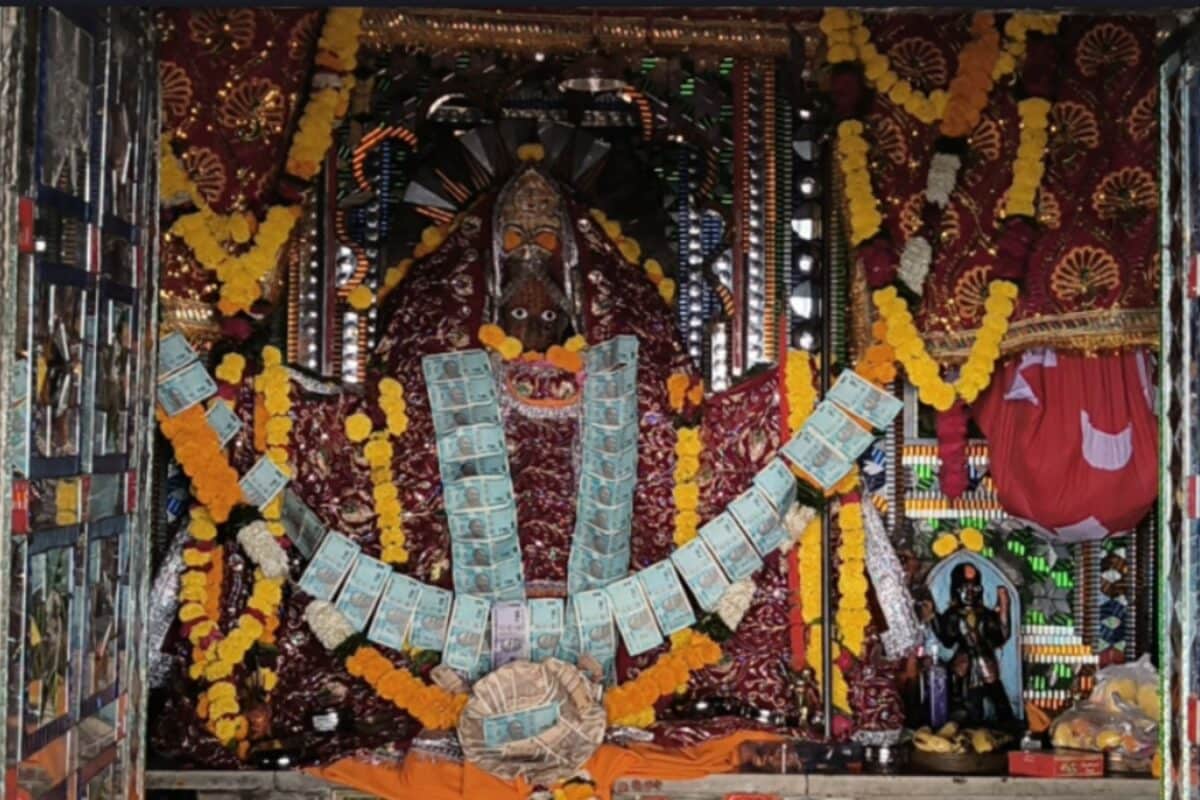
Situated deep within the rugged terrain on the border of Devgadh and Aamet in Rajsamand district, the revered Seem Mata Temple stands as a profound testament to architectural heritage and historical resilience. Dating back approximately 800 years, this sacred shrine attracts countless devotees, seekers, and historians who undertake a challenging pilgrimage across seven steep hills to reach the holy sanctum. The geographical isolation of the temple has successfully preserved its pristine sanctity and historical environment through centuries of political and social transitions.
The historical genesis of the Seem Mata Temple is deeply intertwined with tales of valor, regional defense, and protection during the tumultuous Mughal era. Historical accounts and regional lore indicate that the sacred site served as a vital sanctuary and stronghold for the Thakur families of the region during times of intense warfare and external aggression. The temple's legacy is further magnified by the presence of an authentic historical sword obtained during fierce battles, which remains safely preserved within the temple premises to this very day as a symbol of martial honor and victory.
Examining the ground realities and logistical dimensions of the pilgrimage reveals the immense dedication required by visitors to honor the deity. To reach the sacred site of Seem Mata, pilgrims must traverse a grueling path encompassing precisely seven hills, navigating difficult landscapes that test human endurance and devotion. Furthermore, the local ecosystem and the surrounding mountainous terrain hold a unique phenomenon, as local traditions and eyewitness accounts maintain that for exactly one day during the year, the entire mountain range miraculously appears to glow like pure gold under the sunlight.
Local stakeholders, community elders, and regular temple visitors emphasize that the preservation of the Seem Mata Temple is essential for maintaining the cultural and spiritual identity of the Rajsamand region. Devotees express deep emotional and religious attachment to the shrine, noting that the architectural marvel has withstood the ravages of time largely due to the collective devotion of the surrounding communities. The presence of the ancient sword serves as a tangible link to the turbulent historical past, reminding every visitor of the sacrifices made by historical figures to protect their land, culture, and religious traditions.
While the immediate geographical location of the temple lies within the Rajsamand district, the cultural and spiritual resonance of Seem Mata extends far beyond local boundaries, influencing neighboring areas including Kotputli-Behror and the wider region of Rajasthan. Cultural enthusiasts and heritage researchers frequently visit the site to document the tangible and intangible heritage associated with the temple. The preservation of such ancient structures plays a vital role in fostering cultural tourism and educating the younger generation about the rich historical tapestry of Rajasthan.
Administrative oversight and local community coordination remain crucial for ensuring the safety, accessibility, and maintenance of the pilgrimage route leading to the Seem Mata Temple. Local authorities, in collaboration with temple committees, work continuously to manage the influx of pilgrims, particularly during special festivals and auspicious occasions when thousands of devotees gather to offer prayers. Efforts are directed toward improving basic infrastructure along the footpaths across the seven hills while respecting the ecological sensitivity and historical sanctity of the protected area.
Looking forward, the preservation of the 800-year-old Seem Mata Temple and its historical artifacts, including the battle-won sword, requires sustained commitment from both the administration and the local populace. Plans for future management involve enhanced documentation of the temple's history, better visitor amenities along the arduous mountain trail, and greater awareness campaigns to highlight the heritage significance of the Devgadh-Aamet border region. As pilgrims continue to scale the seven hills year after year, the legacy of Seem Mata remains securely anchored in the faith and history of Rajasthan.
