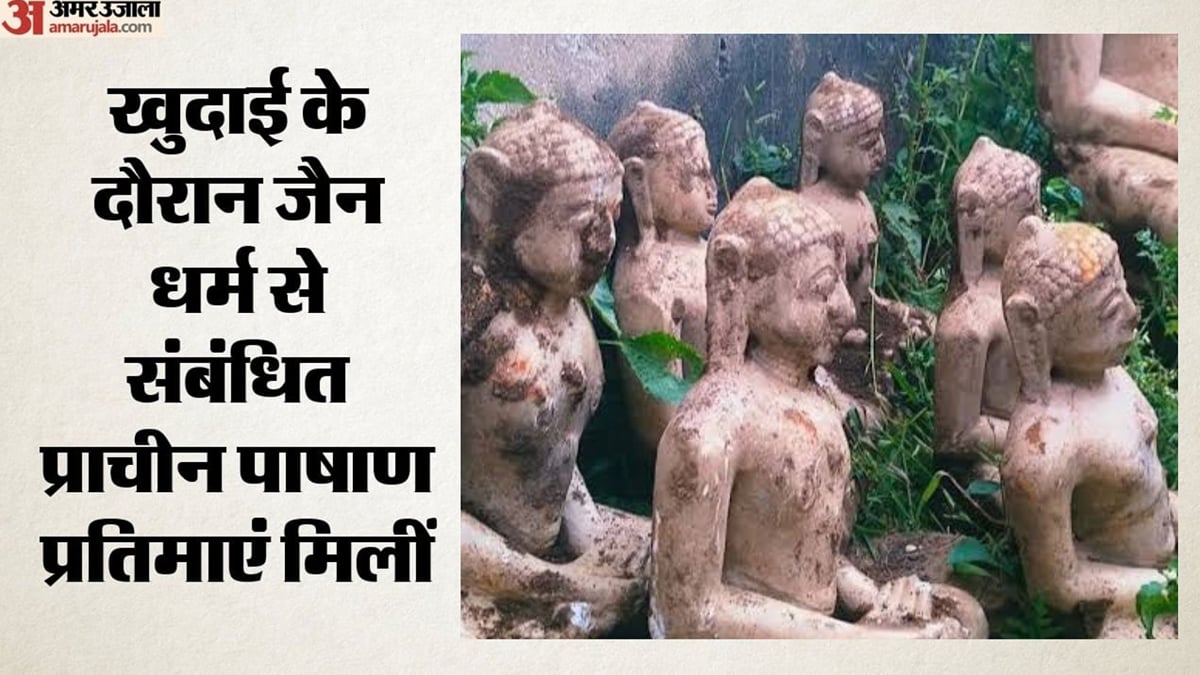
In a significant archaeological and historical development within the state of Rajasthan, residents and local authorities in Udaipur district have reported the remarkable unearthing of nine ancient stone idols. The discovery took place precisely during the routine excavation work being conducted for the construction of a residential house foundation in the region. Such unexpected historical finds often bridge crucial gaps in local heritage documentation and offer fresh insights into the cultural landscape of the area.
The specific location where these religious artifacts were discovered holds profound historical context. According to the preliminary reports, the excavation site is situated in close proximity to an old Jain temple located in the Juda town area. This particular temple has a long history of remaining closed and abandoned for approximately 70 to 75 years, adding a layer of mystery and deep historical significance to the sudden appearance of these sacred stone sculptures.
Examining the ground reality of the discovery, the operation yielded a total count of precisely nine ancient stone sculptures. These statues, belonging strictly to Jainism, were carefully retrieved from the earth as construction workers dug deeper into the foundation plot. The exact number and the condition of these artifacts have drawn considerable attention from local scholars, historians, and devotees who recognize the immense spiritual and historical value encapsulated within these ancient stone formations.
Stakeholder perspectives within the community indicate an overwhelming sense of reverence and protective urgency regarding the newfound statues. Members of the local community, community leaders, and religious representatives have expressed their collective desire to ensure that these sacred idols receive immediate and appropriate care. Discussions among local groups emphasize the necessity of coordinating with relevant cultural and religious bodies to secure the area and protect the artifacts from any potential damage or neglect.
While the immediate discovery occurred in Udaipur district, the ripple effects of such cultural findings extend across the broader regional consciousness, including areas connected to Kotputli-Behror and beyond. Communities throughout Rajasthan take immense pride in preserving their ancient heritage, and news of such discoveries reinforces the deep-rooted historical ties that bind different towns and districts together through shared cultural narratives and architectural legacies.
Administrative response and regulatory oversight are now critical components of managing this situation. Local government officials, district administration representatives, and heritage preservation authorities are expected to step in to inspect the site and verify the exact provenance and condition of the nine statues. Statutory guidelines regarding the discovery of antiquities mandate proper documentation, secure storage, and involvement of archaeological experts to determine the exact age and artistic provenance of the stone carvings.
Looking toward the forward outlook, the upcoming procedures will likely involve comprehensive inspections by expert teams, formal registration of the artifacts, and collaborative decisions between the local administration and the Jain community regarding the future placement and veneration of the idols. Public expectations remain high for transparent communication, respectful handling of the sacred objects, and the establishment of a secure protocol that honors both legal antiquities regulations and the deep religious sentiments of the citizens involved.