
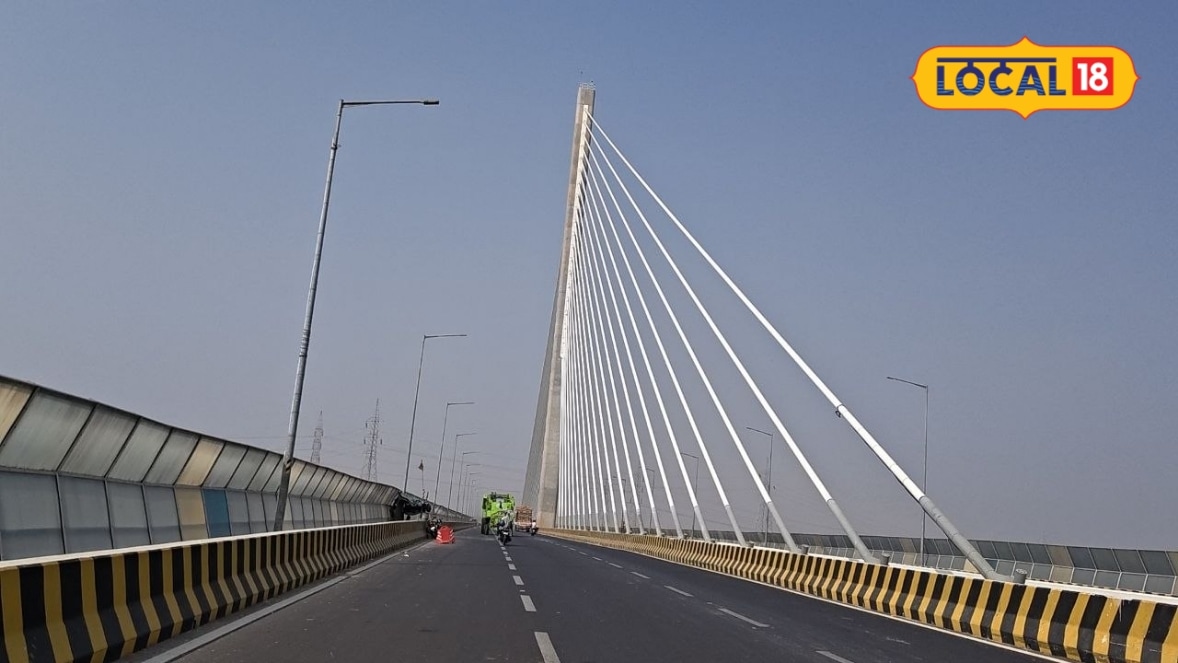
In the heart of Rajasthan, the majestic Kota Hanging Bridge stands tall over the sacred Chambal River, proudly claiming its distinction as the state's very first cable-stayed bridge. This monumental infrastructure project has fundamentally transformed the architectural landscape of the region, merging modern engineering brilliance with vital transportation utility. Serving as a crucial link for regional transit, the bridge commands attention from commuters, engineers, and travelers alike, establishing itself firmly as a landmark of modern architectural achievement.
The genesis of this monumental undertaking dates back to its official commencement in the year 2008, setting into motion an ambitious engineering venture that would span nearly a decade. Navigating through various geographical and logistical challenges, the construction journey finally reached its completion milestone in the year 2017. Throughout this extensive development timeline, civil engineers and administrative planners collaborated intensively to bring this complex cable-stayed architectural vision to physical reality across the flowing waters of the Chambal River.
Financially and logistically, the scale of this project remains exceptionally significant, with total expenditures surpassing the substantial threshold of two hundred crore rupees. Stretching across an impressive length of 1.5 kilometers, the structure incorporates heavy-duty steel cables and robust concrete foundations designed to withstand immense environmental pressures and vehicular loads. These precise financial figures and physical dimensions underscore the massive investment poured into securing a durable, long-lasting transit route for the state of Rajasthan.
Beyond its sheer physical presence, the bridge serves a deeply strategic function within India's broader transportation network by seamlessly connecting the vital North-South and East-West corridors. Transportation authorities, commercial transporters, and daily commuters frequently highlight how this integration vastly streamlines freight movement and passenger transit. By bridging critical geographical divides, the infrastructure effectively reduces transit bottlenecks, thereby facilitating smoother national commerce and integrated regional mobility.
While functioning primarily as an indispensable economic and logistical corridor, the bridge has simultaneously evolved into a prominent hub for regional tourism and civic pride. Visitors from across the state and beyond routinely gather around the Chambal River banks to admire the soaring pylons and the intricate web of suspension cables that define the structure. This burgeoning tourism activity injects renewed vitality into the local economy, creating sustainable opportunities for small businesses, hospitality vendors, and service providers operating within the vicinity.
From an administrative perspective, the successful execution and ongoing maintenance of the Chambal cable bridge reflect rigorous oversight by regional planning authorities and specialized engineering boards. Continuous structural audits and safety inspections are routinely mandated to preserve the integrity of the multi-crore infrastructure asset. Government officials maintain a steadfast commitment to upholding stringent safety protocols, ensuring that the bridge continues to operate securely under heavy, uninterrupted traffic conditions.
Looking forward toward the horizon, the Kota Hanging Bridge remains a shining testament to progressive infrastructure development, promising sustained utility for decades to come. As transport demands continue to evolve across Rajasthan and neighboring regions, the structure is projected to retain its foundational role in national corridor connectivity. Public expectations remain high that ongoing administrative vigilance will preserve this architectural marvel as an enduring symbol of engineering excellence and regional prosperity.
