
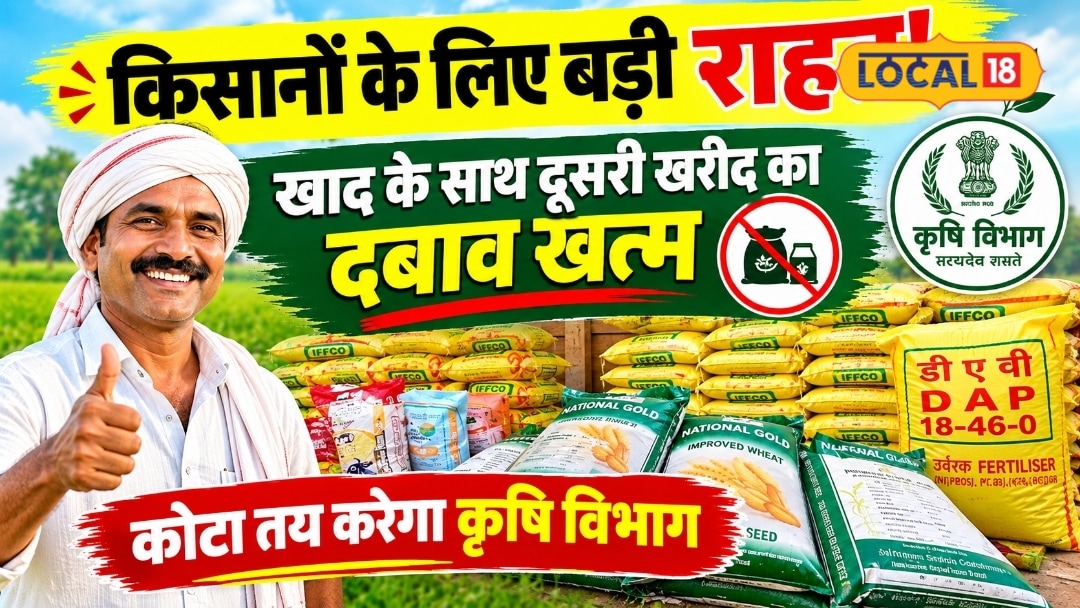
In a decisive administrative move to streamline the availability of essential agricultural inputs, authorities have released a comprehensive set of new guidelines governing fertilizer distribution for the upcoming Rabi season in Jhunjhunu. The intervention comes in response to mounting grievances from local farming communities regarding severe stock imbalances and irregularities in supply chains. As cultivation cycles commence, ensuring unhindered access to fundamental nutrients remains a paramount priority for regional administrators and agricultural planners alike.
The genesis of these revised regulatory measures can be traced back to widespread reports of artificial scarcity and malpractices observed at various retail points prior to the onset of the Rabi sowing season. Observers noted that while cooperative societies experienced severe depletion of Diammonium Phosphate stock at their designated distribution centers, private commercial outlets allegedly exploited the vulnerability of cultivators by enforcing mandatory tie-in sales. These unauthorized practices forced farmers to purchase supplementary, non-essential products alongside their required fertilizer quotas, inflicting unwarranted financial strain on the agrarian sector.
Under the newly instituted framework, the Agriculture Department has been vested with the direct authority to determine and regulate the precise district-wise quota of fertilizers. This structural centralization is designed to eliminate speculative hoarding and ensure balanced distribution across every administrative block. Furthermore, the updated regulations accord distinct operational priority to recognized cooperative societies, empowering them to serve as the primary conduits for supplying agricultural nutrients directly to registered cultivators at standardized government rates.
Stakeholder reactions to the newly minted directives have been overwhelmingly vocal, with farming associations expressing cautious optimism regarding the enforcement of supply discipline. Representatives from various agrarian bodies emphasized that the strict prohibition against forcing secondary products onto buyers is a long-overdue safeguard. Local traders and cooperative managers have also acknowledged the receipt of the notification, signaling their intent to comply with the stipulated departmental allocations to maintain market stability and fairness.
While the immediate geographical focus remains centered on Jhunjhunu, the systemic ripples of these guidelines extend significantly toward neighboring administrative jurisdictions, including the broader Kotputli-Behror region. Given the interconnected nature of regional agricultural markets and transport logistics, policy frameworks established in bordering districts frequently influence local supply patterns, pricing mechanisms, and availability indices for rural communities dependent on seasonal crop yields.
In response to past regulatory loopholes, the administrative machinery has ramped up monitoring mechanisms to oversee retail compliance and deter black-marketing. District agricultural officers have been instructed to conduct routine inspections of storage facilities and retail outlets to verify inventory registers against official quota allocations. Any establishment found violating the prohibition on bundled selling or diverting subsidized stocks will face stringent penal actions under the prevailing statutory acts.
Looking forward, agricultural authorities anticipate that these transparent distribution protocols will stabilize the local fertilizer economy and restore normalcy to supply channels as the Rabi season progresses. Continuous dialogue between district officials, cooperative representatives, and farming communities is being encouraged to address emerging logistical bottlenecks proactively. The ultimate success of these guidelines will depend heavily on rigorous field-level enforcement and the unwavering commitment of all supply chain participants to equitable distribution.
