
Sirohi district is currently grappling with a severe agricultural challenge as below-average rainfall has triggered widespread concerns over irrigation water availability. Local farming communities, heavily reliant on timely seasonal rains and reservoir supplies, are staring at a potentially compromised Rabi season. The deficiency in precipitation has left regional reservoirs under-filled, severely restricting the natural water flow necessary for sustaining traditional crop cultivation practices across the affected rural belts.
Historically, agricultural productivity in Sirohi has depended heavily on reliable monsoon patterns and predictable surface water availability. However, changing climatic dynamics and inconsistent rainfall distributions have increasingly disrupted historical farming cycles. The diminishing water reserves in local dams have historically served as a critical buffer during dry spells, but current depletion levels have outpaced replenishment rates, plunging the regional agrarian economy into an unprecedented vulnerability.
Addressing the immediate crisis requires a decisive shift toward modern agronomic practices, ensuring that crop yields remain viable despite severe resource constraints. Progressive farmer Mohanlal Dangi has stepped forward to guide the local farming community, emphasizing that water-saving technologies offer a reliable pathway to survival and prosperity. By adopting scientific methodologies, cultivators can maximize output while drastically reducing their dependency on scarce surface irrigation sources.
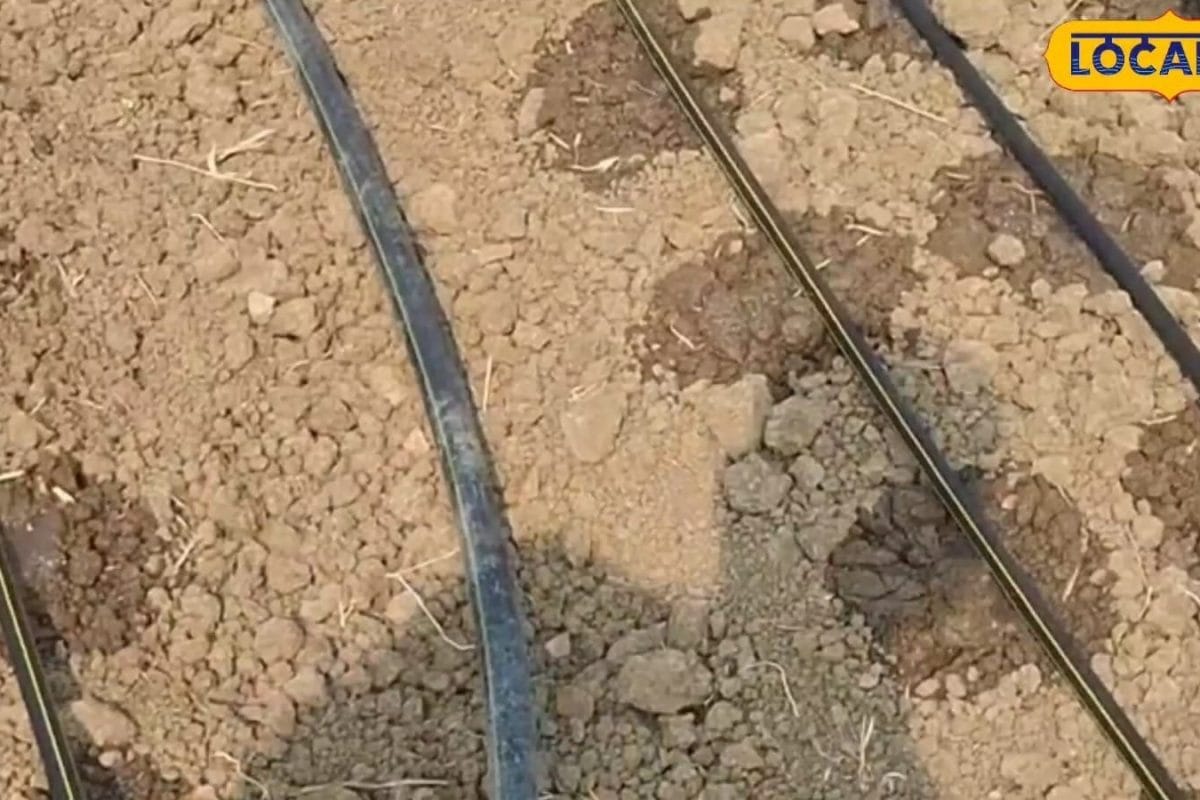
Among the primary solutions highlighted by agricultural experts and local leaders, drip irrigation, sprinkler systems, and mulching technology stand out as the most effective alternatives. Drip irrigation specifically ensures that moisture is delivered directly to the root zones of plants, virtually eliminating surface evaporation and conveyance losses. Concurrently, mulching helps retain long-term soil moisture while suppressing the uncontrolled growth of weeds, creating an optimal microclimate for crop development.
The financial logistics of transitioning to these modern water-saving frameworks remain a critical consideration for regional smallholders. According to field assessments, establishing a dedicated drip irrigation system for vegetable cultivation spanning an area of one to five bighas involves an estimated expenditure ranging from twenty-five to sixty thousand rupees. While this initial capital investment requires careful planning, the long-term savings in water usage and enhanced crop quality present a compelling economic argument for adoption.
Administrative authorities and agricultural extension departments are closely monitoring the evolving situation in Sirohi district to provide necessary technical guidance. Officials are working alongside experienced agriculturalists to educate rural communities on selecting the appropriate technology tailored to their specific crop varieties and prevailing weather conditions. This advisory framework aims to bridge the knowledge gap and encourage widespread implementation before the peak Rabi sowing window closes completely.
Looking forward, the resilience demonstrated by Sirohi farmers through the adoption of precision agriculture could serve as a vital blueprint for other arid and semi-arid regions facing similar climatic adversities. As local stakeholders continue to integrate drip systems and mulching into their daily farming routines, the collective focus remains firmly on securing sustainable livelihoods, conserving finite groundwater resources, and mitigating the adverse impacts of erratic rainfall patterns on future agricultural seasons.
