
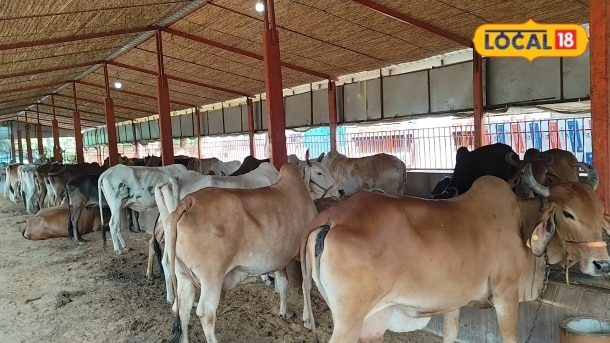
Animal husbandry in Nagaur is witnessing a renewed focus on cost-effective management as experts outline practical strategies for livestock owners to reduce the financial strain of expensive feed and veterinary treatments. Raising dairy animals and cattle traditionally involves substantial recurring expenses, primarily driven by the soaring prices of commercial feed grains and medical care. To address this persistent challenge, agricultural and livestock extension specialists have emphasized adopting local, scientifically proven formulation methods that optimize resource utilization without compromising the nutritional intake of the animals.
The historical backdrop of livestock rearing in the region reflects a heavy reliance on market-purchased concentrates, which frequently fluctuates in price and places immense pressure on marginal farmers and rural households. Over the years, fluctuating monsoon patterns and rising operational costs have made sustainable feeding practices an absolute necessity rather than a mere alternative. Recognizing this vulnerability, experts have meticulously studied indigenous feeding patterns and combined them with modern nutritional science to formulate balanced diets that can be prepared directly at the homestead level, bypassing costly intermediaries.
At the heart of these recommended practices is the strategic incorporation of locally available ingredients such as maize and bajra, which form the energetic backbone of a balanced ration. When complemented adequately with fresh green fodder, high-quality silage, and precise quantities of essential mineral mixtures, these home-prepared diets provide all the vital nutrients required for optimal livestock growth. Furthermore, meticulous attention to proper proportions ensures that the metabolic and physiological needs of the animals are thoroughly met, directly translating into sustained energy, better immunity, and enhanced productivity.
Local dairy farmers and community leaders have expressed cautious optimism regarding these advisory measures, noting that implementing such changes requires careful calibration and consistent dedication at the household level. Discussions among livestock owners indicate that while many are accustomed to traditional feeding habits, the undeniable financial relief promised by utilizing indigenous grains and structured mineral supplements is driving a gradual shift in mindset. Experienced breeders emphasize that sharing practical knowledge about formulation techniques through community workshops will be instrumental in ensuring widespread adoption across rural pockets.
The broader economic implications of these practices extend deeply into the regional agricultural landscape, influencing household incomes and the overall viability of rural livelihoods across Nagaur. By cutting down unnecessary expenditures on commercial feed packets and minimizing frequent medical emergencies through preventive care, families can redirect their hard-earned savings toward other essential developmental needs. This localized economic resilience ultimately strengthens the cooperative fabric of the rural community, insulating small-scale dairy producers against unexpected market shocks and inflationary pressures.
Administrative oversight and institutional support play a crucial role in amplifying the reach of these cost-saving measures through structured veterinary outreach programs and awareness campaigns. Local animal husbandry departments and extension agencies are tasked with facilitating training sessions, distributing informative guidelines, and ensuring that essential supplies such as quality mineral mixtures and vaccines remain accessible. Continuous monitoring and technical assistance from veterinary professionals help validate the efficacy of home-prepared balanced diets, fostering greater confidence among participating farmers.
Looking forward, the sustained success of these livestock management practices depends heavily on active community participation, regular veterinary consultations, and adherence to preventive health protocols. Timely vaccinations and rigorous standards of sanitation must go hand in hand with nutritional adjustments to secure long-term improvements in animal health and milk yields. As rural households increasingly adopt these integrated methods, Nagaur stands poised to demonstrate a sustainable model of cost-efficient animal husbandry that balances economic viability with animal welfare.
