
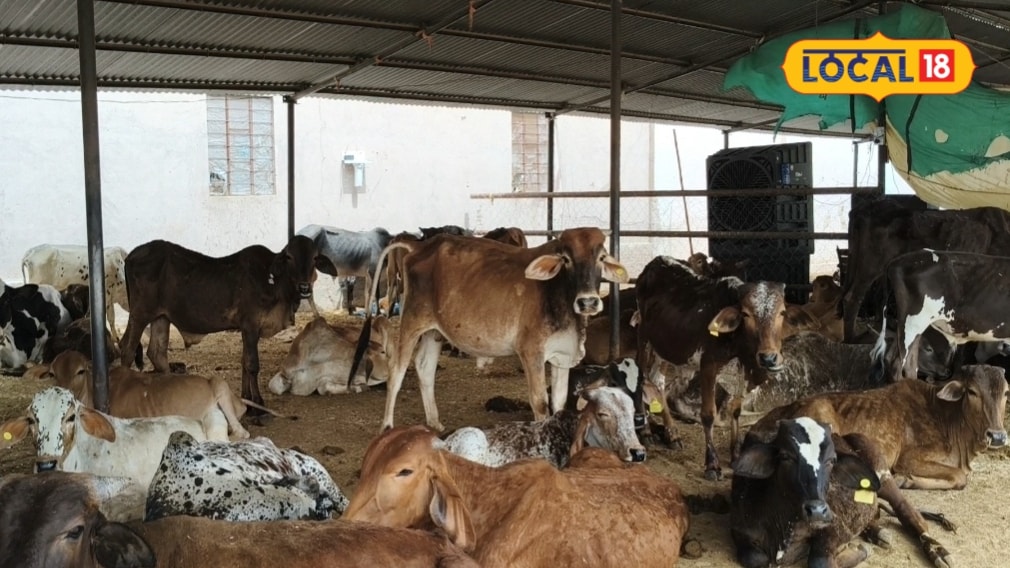
Veterinary authorities in Bikaner have issued an urgent and comprehensive advisory to regional cattle owners and dairy farmers, cautioning them against the prevalent practice of feeding excessive green fodder to cows. The alert focuses specifically on the severe medical condition known as bloat, locally referred to as 'afra', which poses a serious and immediate threat to bovine health and survival if left unaddressed. As livestock management practices continue to evolve across rural belts, veterinary professionals stress the critical need for balanced nutritional intake to prevent acute digestive emergencies in high-yield dairy animals.
Understanding the root causes of this medical emergency requires examining traditional feeding patterns and modern agricultural realities. Historically, green fodder has been considered a primary source of essential nutrients and milk production enhancement for dairy cattle. However, sudden or excessive transitions to highly succulent, lush green fodder can trigger rapid microbial fermentation within the bovine rumen. This excessive gas production outpaces the animal's natural ability to expel it through eructation, leading to dangerous abdominal distension and potentially fatal physiological complications.
On-the-ground observations by veterinary practitioners reveal that thousands of livestock owners unknowingly compromise animal health by disregarding recommended dietary proportions. Financial pressures to maximize daily milk yields often drive farmers to increase green fodder rations without incorporating adequate dry roughage or fiber. Experts emphasize that maintaining a precise dietary balance—combining dry straw with green fodder—is vital not only for metabolic stability but also for preventing unexpected financial losses associated with livestock illness or mortality.
In the wake of rising clinical cases, regional stakeholders, including experienced dairy farmers and agricultural cooperative leaders, have expressed deep concern over the lack of widespread nutritional awareness. Many local farmers report struggling to identify early clinical symptoms, often confusing minor digestive discomfort with severe ruminal distress. Veterinary officials have stepped up direct communication channels, organizing community awareness sessions to educate livestock keepers on recognizing early warning signs such as left-flank swelling, restlessness, cessation of rumination, and respiratory distress.
The broader implications of livestock morbidity extend far beyond individual farming households, significantly impacting the regional agricultural economy and dairy supply chains. Rural communities depend heavily on cattle rearing as a secondary or primary source of income. Unforeseen veterinary emergencies, such as severe bloat outbreaks, impose heavy economic burdens on marginal farmers due to emergency treatment costs and temporary or permanent losses in milk production, thereby threatening household financial stability across the district.
Recognizing the urgency of the situation, local veterinary hospitals and animal husbandry departments have mobilized mobile medical units and emergency helplines to assist distressed farmers. Administrative measures currently under implementation include the distribution of standardized informational pamphlets detailing preventive dietary protocols and safe first-aid measures. Authorities are also promoting the proper, measured use of household remedies like baking soda (sodium bicarbonate), emphasizing that incorrect dosages or unmonitored administration methods can exacerbate digestive complications rather than resolve them.
Looking toward the future, animal husbandry experts advocate for institutionalized training programs and continuous veterinary extension services to build long-term resilience within the farming community. As seasonal weather patterns fluctuate and fodder availability shifts, maintaining proactive communication between veterinary professionals and livestock owners will remain essential. By adopting scientifically backed feeding regimens and adhering strictly to expert medical advice, regional dairy farmers can effectively safeguard their livestock, ensure sustainable milk yields, and secure their agricultural livelihoods for the long term.
