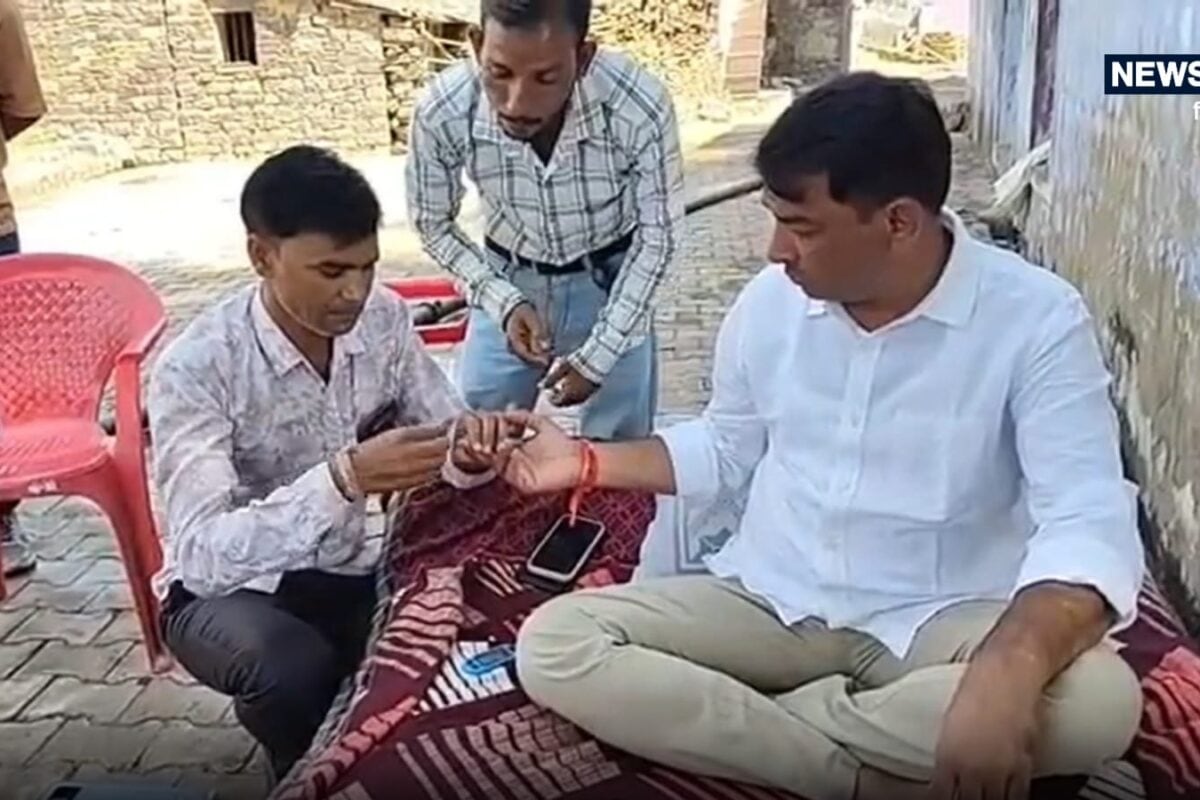
The indefinite hunger strike led by Bhagat Singh Seva Pramukh Naresh Meena in Baran district has entered its critical seventh day, drawing widespread public attention and concern. Mr. Meena has been steadfastly sitting on an amaran anshan in his native village of Kawai, raising urgent concerns regarding the severe fertilizer shortage faced by local agriculturalists. The core demands of this protest revolve around ensuring the adequate availability of fertilizers, putting an absolute stop to rampant black marketing, and resolving multiple underlying agricultural challenges that threaten the livelihood of hardworking farming communities in the region.
The origin of the current agitation traces back to a series of escalating protests and a planned march towards the state capital. During the recent Jaipur march, Mr. Meena and his supporters encountered administrative interventions, leading to discussions at the Shivdaspura toll plaza. Following administrative assurances given during those negotiations that assured a comprehensive resolution of all articulated problems within a strict four-day timeframe, Mr. Meena returned to Baran. However, with the timeline elapsing and farmers continuing to suffer from systemic shortages, the resumption and continuation of the protest became inevitable.
As the fasting ordeal extends into its second week, the physical toll on Mr. Meena has become starkly evident. On Wednesday, a dedicated medical team arrived to conduct a thorough health examination and monitor his vital signs. The medical findings revealed a drastic reduction in his body weight, which plummeted from approximately 80 kilograms prior to the commencement of the hunger strike down to 72 kilograms. This alarming loss of 8 kilograms within a span of just seven days underscores the severe physical strain and unwavering resolve of the leader, amplifying the urgency for a credible intervention from the state machinery.
Stakeholder perspectives across the region emphasize the gravity of the agricultural crisis that triggered this extreme form of protest. Farming communities in Baran and surrounding areas have repeatedly articulated their grievances regarding the scarcity of essential soil nutrients, which directly impacts crop yields and financial stability. Observers, local traders, and community representatives note that unchecked black marketing exacerbates the misery of ordinary cultivators who are forced to pay exorbitant prices for essential supplies. The unfolding situation has transformed into a major focal point for agricultural rights and administrative accountability across the district.
While the immediate epicentre of the protest remains anchored in Baran and Kawai, the ripple effects of this standoff are keenly felt throughout the broader region, including communities akin to Kotputli-Behror. The interconnected nature of agricultural supply chains means that fertilizer distribution failures in one district often mirror systemic vulnerabilities prevalent across the state. Local rural economies depend heavily on timely interventions by district authorities to protect cultivators from exploitation during peak sowing seasons, rendering the current impasse a matter of intense statewide discourse.
Administrative response and oversight remain under intense public scrutiny as district authorities weigh their options following the expiry of previous assurances. The local administration faces mounting pressure to translate verbal commitments into transparent, actionable measures on the ground. Statutory oversight mechanisms, agricultural department officials, and law enforcement agencies are expected to coordinate efforts to curb illegal hoarding, verify distribution logs, and restore equitable supply channels to appease the protesting factions and safeguard public health.
Looking toward the forward outlook, the immediate resolution of the crisis hinges entirely on the nature and speed of administrative action. Mr. Meena remains resolute in his stance, stating that he will not withdraw his fast until tangible proof of action regarding farmers' grievances is officially delivered. Public expectations are running high as civil society groups, agricultural unions, and concerned citizens wait anxiously for the district administration to initiate substantive dialogue and implement verifiable relief measures to end the ongoing standoff safely.