
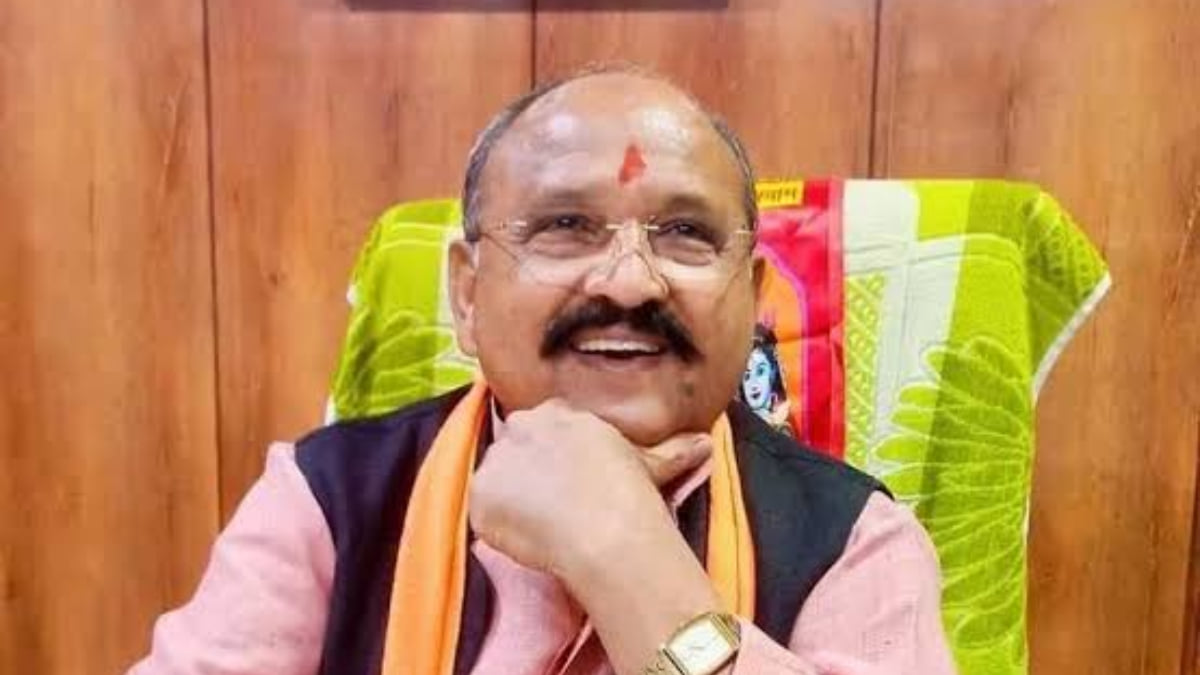
In a sharp political escalation following the conclusion of the latest electoral cycles in Rajasthan, senior Congress leader Prahlad Gunjal has launched a scathing attack on the Bharatiya Janata Party. Addressing the media and political supporters regarding the implications of the rural local body outcomes, Gunjal underscored the shifting dynamics within the state and questioned the narrative previously constructed by the ruling administration.
The political significance of these rural contests has historically served as a critical barometer for public sentiment in Rajasthan. Over preceding electoral cycles, local governance elections have consistently reflected the grassroot pulse of the populace, setting the tone for broader legislative battles. The Bharatiya Janata Party had earlier characterized these crucial panchayat elections as a definitive semifinal leading up to the legislative milestones anticipated in 2028.
While analyzing the statistical metrics and spatial distribution of the electoral outcomes, political observers noted the high stakes involved in these grassroots contests. The administrative machinery and party apparatuses of both major political formations invested substantial resources into mobilizing rural voters across various districts of Rajasthan. These elections traditionally dictate the allocation of local development funds and the execution of rural infrastructure projects.
Reacting sharply to the electoral tallies, Congress leader Prahlad Gunjal articulated the sentiments of his party workers by invoking the ruling party's own rhetoric. He remarked that the Bharatiya Janata Party had initially described these specific panchayat elections as a semifinal match, but the resolute public of Rajasthan has now decisively shown them the path to the final. This statement encapsulates the intense narrative warfare currently defining state politics.
The resonance of these panchayat results extends directly into regional economies and community structures across districts such as Kotputli-Behror. Local governance bodies in Rajasthan manage vital agricultural initiatives, water distribution, and rural employment schemes. Consequently, shifts in political control at the panchayat level directly influence the implementation efficacy of public welfare programs affecting ordinary citizens and agrarian communities.
In response to the evolving political discourse, administrative authorities and district election officials have maintained strict neutrality, focusing on the peaceful conclusion of administrative transitions within the elected local bodies. Statutory guidelines continue to govern the oath-taking ceremonies and the subsequent formation of district councils and panchayat committees, ensuring institutional continuity regardless of political shifts.
Looking ahead toward the broader political horizon, particularly keeping the 2028 legislative timeline in perspective, political analysts predict heightened mobilization from all major factions. The outcome of these panchayat elections has energized the opposition ranks while compelling the ruling party to recalibrate its grassroots strategies. Public expectations remain high as newly elected representatives assume office and prepare to address persistent developmental challenges across rural Rajasthan.
