
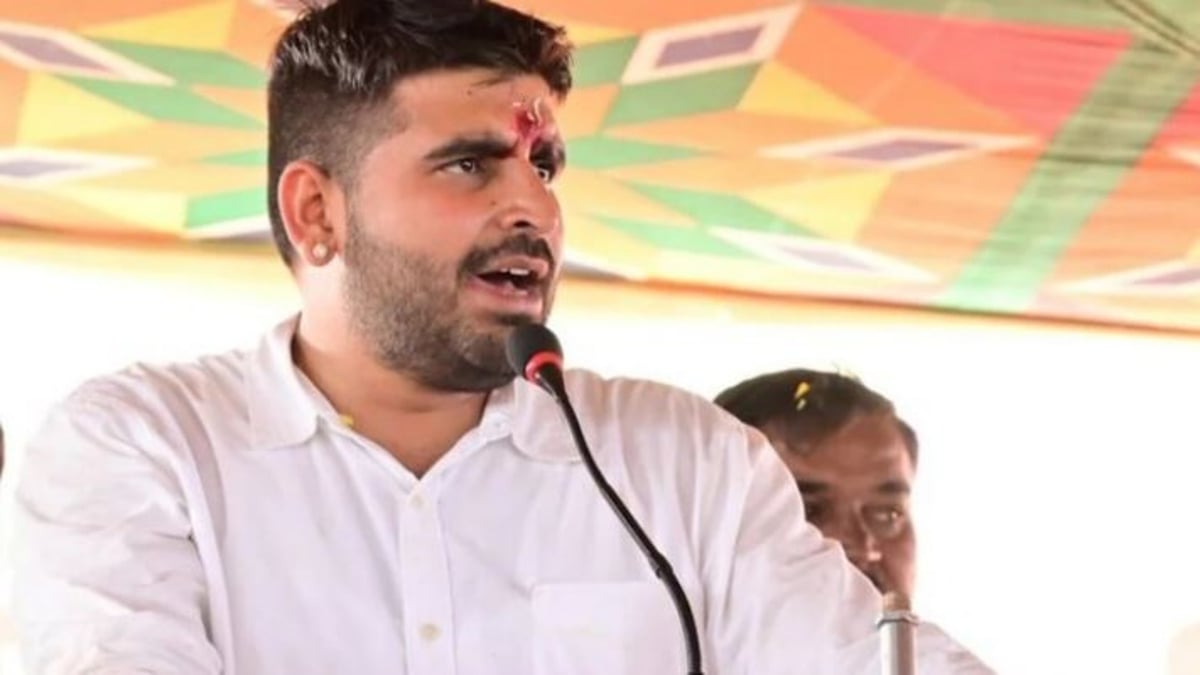
In the wake of the recent electoral outcomes in Rajasthan, independent MLA Ravindra Singh Bhati has strongly criticized the Bharatiya Janata Party following its notable defeat in the state's panchayat elections. The political landscape of Rajasthan has witnessed significant discussions as local governance results unfold, bringing grassroots democratic processes into sharp focus. The electoral setback for the ruling dispensation has triggered intensive political deliberations across various regions, prompting analysts and political leaders to re-examine existing voter alignments and local governance dynamics.
The context of this political debate traces back to the evolving relationship between major political organizations and their foundational support structures. Over successive electoral cycles in Rajasthan, the Bharatiya Janata Party has traditionally relied heavily on specific demographics and loyalist communities to secure victories in rural and semi-urban constituencies. However, recent trends indicate a growing disconnect between regional expectations and policy execution at the grassroots level, creating fertile ground for electoral shifts during local body elections where civic issues directly influence voter behavior.
While comprehensive statistical breakdowns of individual panchayat seats continue to be compiled by election authorities across Rajasthan, the broader political narrative has increasingly focused on voter turnout and dissatisfaction. Local elections often serve as a direct referendum on administrative responsiveness and economic conditions in rural sectors. Observers note that local grievances concerning infrastructure development, agricultural support, and administrative accessibility frequently outweigh overarching party loyalties when citizens cast their ballots in panchayat contests.
Articulating the grievances of the electorate, independent legislator Ravindra Singh Bhati stated that the electoral outcome serves as a clear mirror held up to the party by its own core support base. According to Bhati, the defeat was not merely a consequence of opposition mobilization but rather a direct reflection of profound discontent among traditional voters who felt overlooked by the current leadership. Political commentators and regional stakeholders have echoed similar sentiments, emphasizing that long-term political stability depends heavily on addressing the fundamental concerns of loyal constituencies.
The repercussions of these panchayat election results extend far beyond immediate political rivalries, resonating deeply within communities throughout Rajasthan, including areas connected to Kotputli and surrounding districts. Local community leaders, grassroots representatives, and regional economic participants are closely monitoring these political realignments. The outcome underscores the vulnerability of major political entities when foundational supporters choose to register their dissatisfaction through the democratic process of voting.
In response to these electoral outcomes, administrative bodies and political organizations alike are reviewing their strategies to better address public expectations. Local administrative machinery continues to oversee civic governance and development projects, ensuring that rural development schemes are implemented transparently. Political parties are also initiating internal reviews to mend fences with disgruntled factions and recalibrate their outreach programs ahead of future legislative and local engagements.
Looking toward the future, the political roadmap in Rajasthan remains dynamic and competitive as parties prepare for upcoming electoral challenges. The insights offered by leaders such as Ravindra Singh Bhati highlight the necessity for political accountability and responsive governance. As communities across Rajasthan continue to voice their aspirations, political entities must navigate complex voter dynamics to regain the absolute trust of their foundational support bases and ensure robust democratic participation.
