The indefinite hunger strike spearheaded by prominent leader Naresh Meena in Baran entered its critical ninth consecutive day today, marked by an alarming deterioration of his physical health. Reports from the ground indicate that Mr. Meena's health has witnessed a steep decline, posing severe concerns for the medical observers and the gathered supporters who have been keeping a constant vigil. The ongoing agitation, rooted in critical agrarian demands, has now reached a volatile juncture where medical intervention and public appeals are colliding with unyielding resolve.
The roots of this intense protest extend back to the core grievances of the farming community, with Mr. Meena choosing his native village as the focal point for this high-stakes confrontation. For over a week, the agitation has symbolized the deep-seated frustrations of local cultivators regarding their long-standing demands for agricultural rights, fair compensation, and administrative accountability. The decision to undertake an indefinite fast underscores the gravity with which the leadership views these unresolved issues, transforming a local protest into a significant regional focal point.
As the hunger strike extended into its ninth day, the physical toll on Mr. Meena became starkly evident. Medical assessments revealed that his blood sugar level has dropped dangerously low, accompanied by continuous episodes of water vomiting that have severely drained his vitality. Furthermore, observers have noted a rapid and continuous drop in his body weight, raising immediate red flags regarding his overall physiological stability. Despite these alarming clinical indicators, the protest site remains charged with tension as supporters monitor every update regarding his failing health.
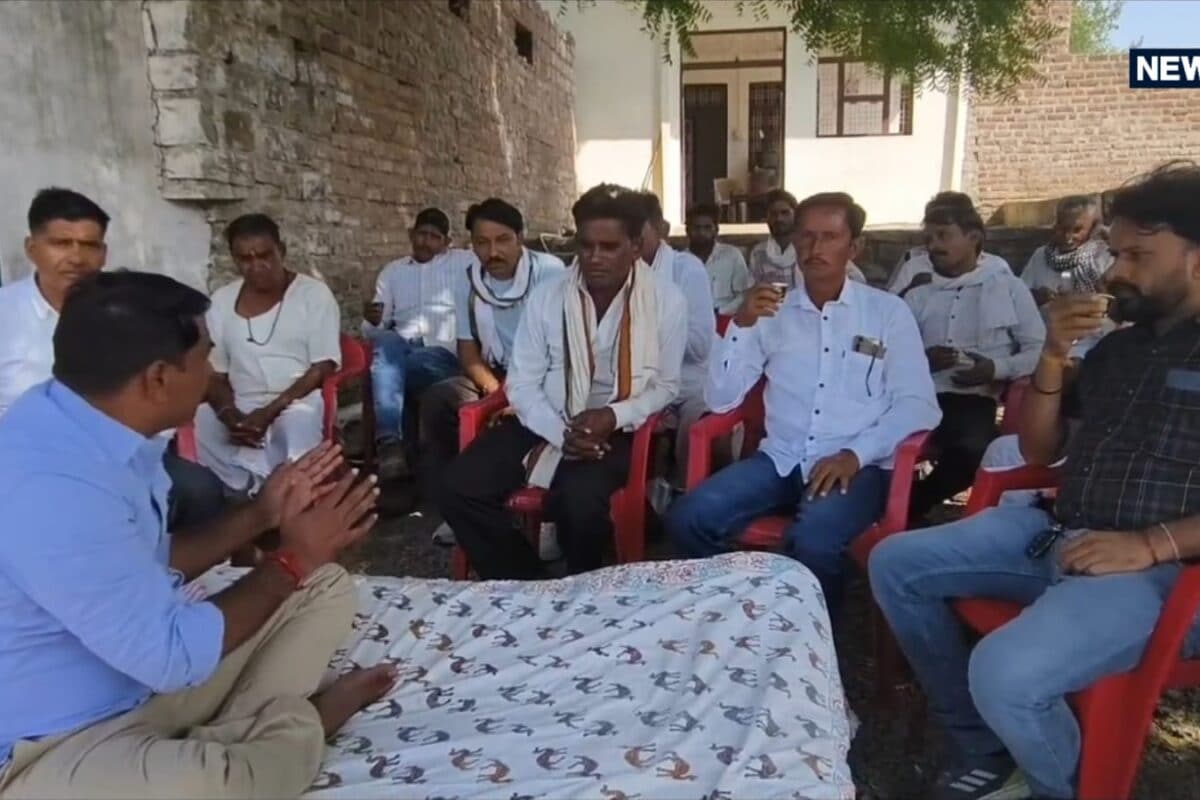
Amidst the escalating health crisis, a profound sense of anxiety has gripped the local community, leading to numerous fervent appeals from villagers and close supporters. Delegation after delegation of local residents has attempted to persuade Mr. Meena to call off his indefinite fast and prioritize his health and well-being. However, these emotional and practical appeals have thus far proven futile, as Mr. Meena remains completely unyielding and steadfast in his refusal to step back from the protest without concrete assurances concerning the farmers' demands.
The implications of this protracted standoff extend far beyond the immediate boundaries of the protest site, resonating deeply across neighboring administrative zones including Kotputli-Behror. Regional agricultural communities are closely watching the developments in Baran, as the core issues championed by Mr. Meena mirror the broader economic vulnerabilities and systemic challenges faced by rural workers and farmers throughout the wider province. The local economy and social cohesion in surrounding rural belts remain tethered to the outcome of this high-stakes demonstration.
Local administrative authorities and medical teams have been closely monitoring the situation as the humanitarian stakes rise by the hour. While formal official channels weigh appropriate responses to address the underlying agrarian grievances, emergency medical protocols stand primed at the protest venue to handle any sudden medical crisis. The dual challenge of respecting the agitators' democratic right to peaceful protest while safeguarding human life has placed immense pressure on local governance structures.
Looking ahead, the immediate trajectory of the situation depends entirely on the delicate balance between Mr. Meena's failing health and his uncompromising stance on the farmers' platform. Public expectations are heavily divided between urgent humanitarian intervention to save his life and a resolute fulfillment of the agrarian demands that initiated the fast. As the nation and local observers await further developments, the coming hours will be crucial in determining the final resolution of this tense and fragile impasse.