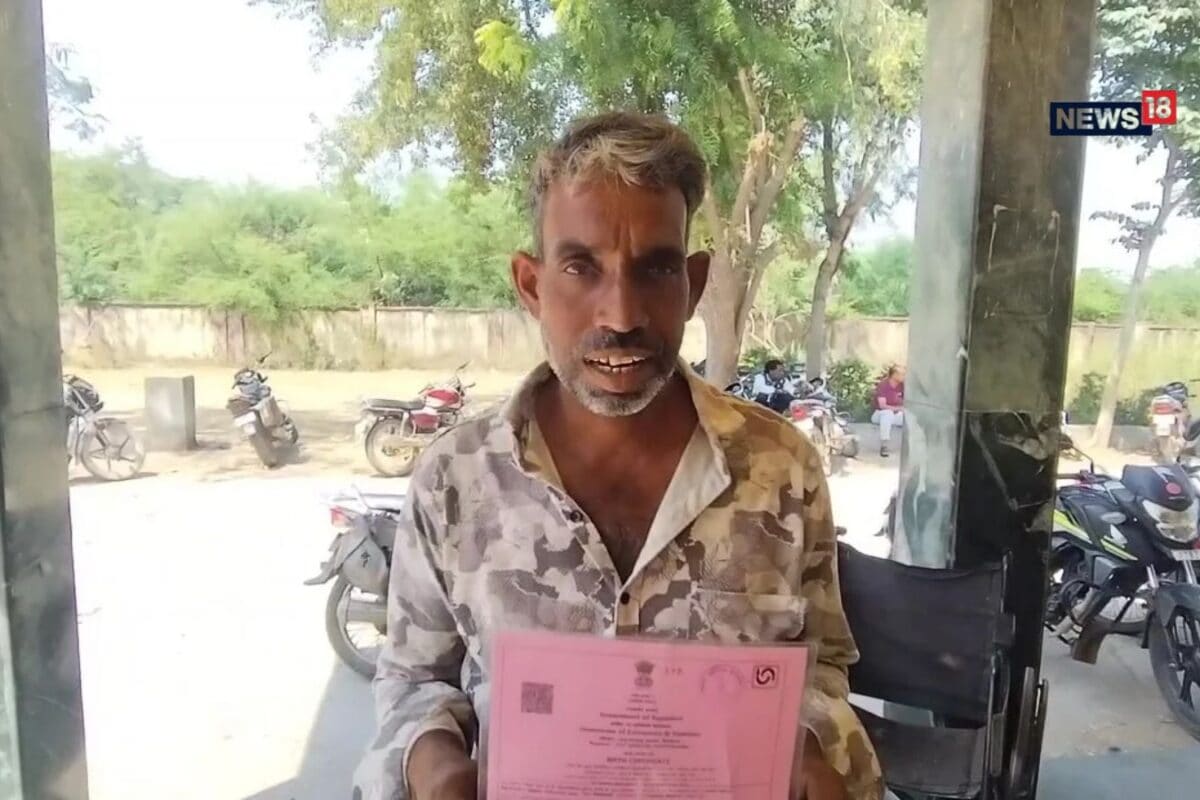
In an extraordinary display of bureaucratic apathy and medical negligence, a shocking case has come to light within the medical department in Chittorgarh district. Pyarelal Jatia, a resident of Nai Khatia Kheri, has been trapped in a relentless administrative nightmare due to glaring errors made by hospital authorities regarding the birth documentation of his son, Bherulal. What should have been a joyous occasion following the birth of a child transformed into an endless ordeal of official indifference, depriving a young boy of his fundamental documentation rights.
The genesis of this bureaucratic tragedy dates back to June 1, 2019, when Bherulal was born at the government hospital located in Kapasan. As per standard protocol, the hospital administration was mandated to record the vital statistics and personal details of the newborn accurately. However, in a stunning lapse of administrative diligence, the officials committed multiple fundamental errors on the official records. Not only did they erroneously alter the gender of the child by designating him as a female in the birth certificate, but they also stamped him as deceased in his discharge certificate.
Today, the real-world consequences of these paper-based blunders have severely disrupted the life and future prospects of the young child. Bherulal has grown up and is currently pursuing his education, successfully enrolled in class 2 at a local school. Despite his academic progress, his existence remains legally questioned by the state machinery. Because of the glaring discrepancies between his actual identity and the erroneous medical records, the authorities have consistently refused to issue him an Aadhaar card, treating him as a non-existent entity or someone of a different identity.
The burden of rectifying this administrative disaster has fallen squarely upon the shoulders of the child's father, Pyarelal Jatia. Being an unlettered daily wage earner, Pyarelal possesses little to no understanding of complex bureaucratic procedures or legal redressal mechanisms. For years, this distressed father has been compelled to leave his livelihood and run relentlessly from pillar to post, visiting the Fatehlal Kothari Hospital in Kapasan repeatedly. He has pleaded with numerous clerical staff and medical officers to correct the records, yet his desperate appeals have largely fallen on deaf ears.
The wider ramifications of such systemic negligence extend far beyond a single family, exposing deep structural flaws within rural healthcare administration and civil registration systems across the region. When basic vital events such as births and deaths are recorded with such egregious carelessness, vulnerable citizens face insurmountable barriers in accessing welfare benefits, educational subsidies, and basic entitlements. The local community has expressed deep anguish over how a simple clerical correction has been delayed for years, causing mental agony to a struggling family.
As pressure mounts from local civil society groups and media reports highlighting the plight of Pyarelal Jatia, the onus now rests heavily upon the senior health administration of Chittorgarh district. Public health officials are under immense scrutiny to initiate an immediate internal inquiry, fix accountability for the clerical staff responsible for the initial blunder, and fast-track the rectification process. Ensuring that Bherulal receives his corrected birth certificate and subsequent identification documents is the absolute minimum requirement to restore administrative credibility.
Looking ahead, the case serves as a grim reminder of the urgent need for digital oversight and strict accountability within government medical institutions. The district administration must establish a transparent grievance redressal cell specifically aimed at resolving birth and death registration anomalies without forcing illiterate citizens to endure years of bureaucratic harassment. The swift correction of Bherulal's records will not only secure his immediate educational and civil future but will also restore public faith in the district's public healthcare machinery.