
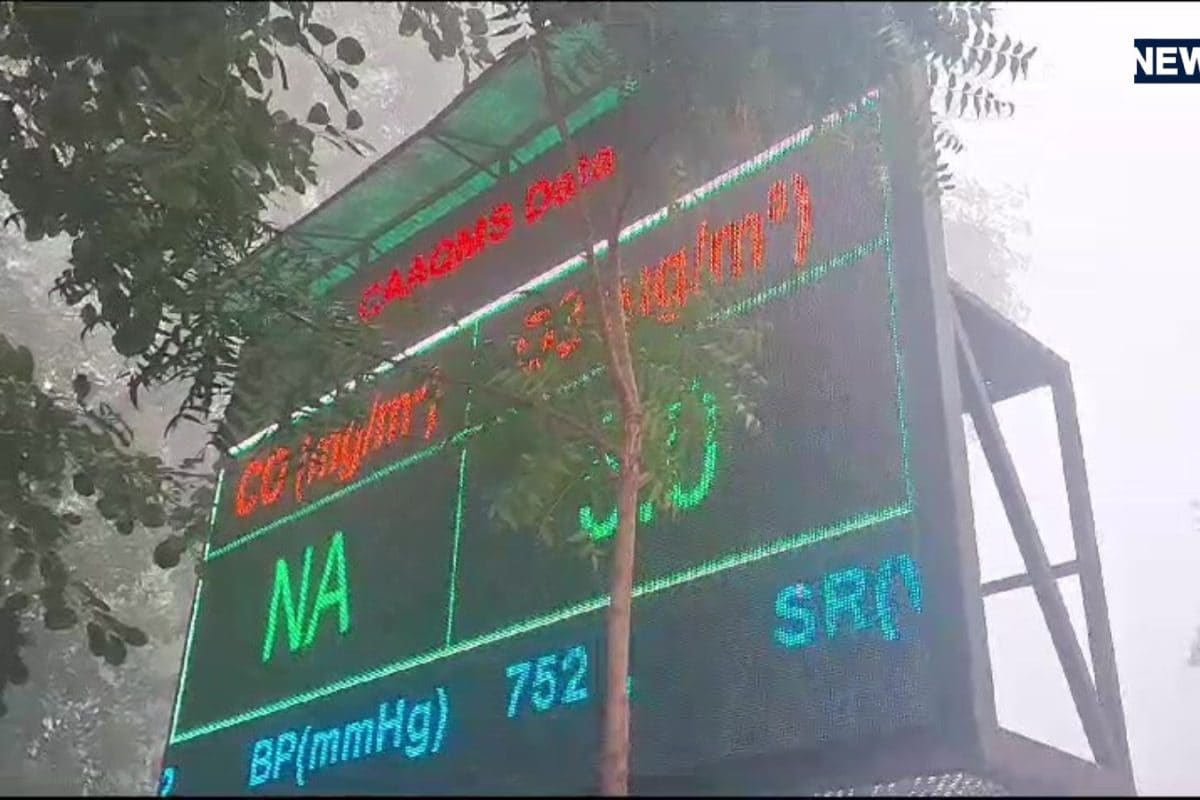
Air pollution levels in Sri Ganganagar have escalated once again, triggering renewed anxieties regarding public health and environmental safety across the region. According to the latest environmental monitoring data released on Sunday, the city's Air Quality Index surged to a concerning figure of 220. This alarming development places the local atmosphere firmly within the poor air quality bracket, posing immediate health risks to the general population and requiring urgent community awareness.
The persistent deterioration of air quality in the region stems from a complex combination of meteorological factors, regional stubble burning, vehicular emissions, and industrial dust. Over successive seasons, environmental experts have consistently highlighted how geographic and seasonal patterns trap pollutants in the lower atmosphere over Sri Ganganagar. This recent spike on Sunday represents a continuation of cyclical environmental degradation that severely undermines the fundamental right of citizens to breathe clean air.
With the AQI breaching the critical threshold of 200, the statistical reality of the environmental crisis translates directly into physiological distress for local residents. Air quality measurements exceeding 200 are officially classified as poor, meaning that prolonged exposure can cause breathing discomfort to most people and severe respiratory complications for susceptible individuals. The concentration of particulate matter, including PM2.5 and PM10, has surpassed safe regulatory limits, enveloping the municipality in a thick, hazardous haze.
In response to this worsening environmental scenario, local stakeholders, including community leaders, doctors, and civic activists, have expressed grave concern over the lack of robust mitigation strategies. Citizens have reported experiencing throat irritation, persistent coughing, and burning eyes while commuting outdoors. The socio-economic fabric of the city faces indirect pressure as productivity drops due to rising illness rates, and families are forced to incur additional medical expenditures to manage respiratory ailments.
While the immediate geographical focus remains on Sri Ganganagar, the broader regional impact extends across neighboring districts, highlighting a systemic environmental challenge in this part of the state. The interconnected nature of wind patterns and regional pollution transport means that localized spikes are often symptomatic of wider systemic failures in enforcing environmental regulations and promoting sustainable agricultural and industrial practices.
Prompted by the worsening meteorological situation, the health department has stepped in to issue urgent advisories and precautionary guidelines for the public. Medical authorities have specifically instructed vulnerable demographics, including senior citizens and individuals suffering from chronic respiratory conditions like asthma, to remain indoors and minimize physical exertion. Hospitals and local clinics have been placed on alert to manage an anticipated influx of patients presenting with acute respiratory distress.
Looking ahead, administrative bodies face mounting pressure to implement comprehensive, long-term interventions to combat chronic air pollution rather than relying solely on temporary health advisories. Public expectations center on strict enforcement of anti-pollution norms, dust control measures on construction sites, and aggressive monitoring of vehicular emissions. As Sri Ganganagar navigates this environmental crisis, coordinated action between government agencies and civil society remains absolutely vital to safeguard public health in the coming weeks.
