
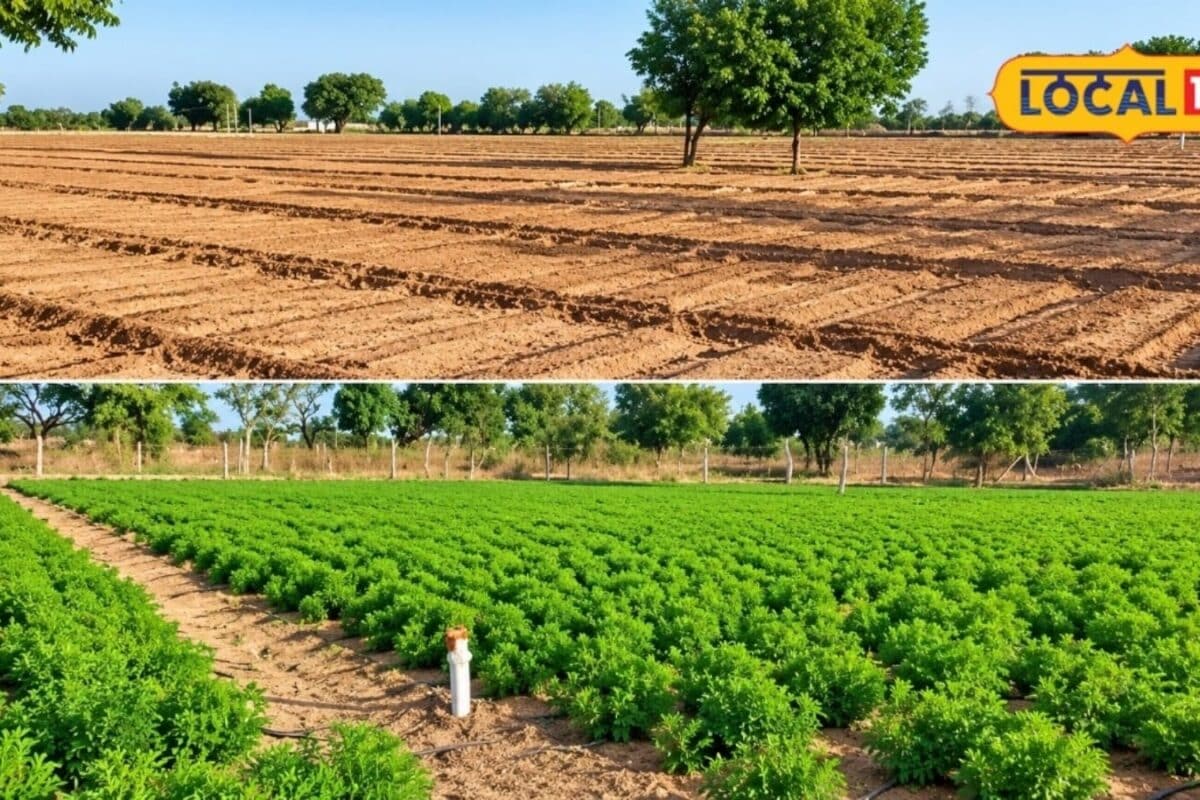
Farmers in Nagaur district have officially commenced intensive preparations for the sowing of cumin, which stands out as a paramount spice crop for the upcoming rabi agricultural season. Agricultural scientists and extension officers have designated the timeframe stretching from mid-October to mid-November as the absolute ideal window for executing cumin sowing operations across the region. Adhering strictly to this optimal window is fundamentally crucial for achieving germination success and safeguarding the overall crop lifecycle against climatic vagaries.
Historically, cumin cultivation has served as a primary economic backbone for the agrarian community within the arid and semi-arid tracts of Rajasthan. The delicate nature of the cumin plant requires meticulous agricultural practices, beginning weeks prior to the actual seed placement in the earth. Over generations, local cultivators have accumulated profound traditional wisdom regarding spice farming, which is now being systematically integrated with modern scientific recommendations issued by agricultural universities and district extension centers.
The broader regional economy of the wider administrative zone, including neighboring agricultural belts and trade hubs connected with Kotputli-Behror, relies heavily on the market stability and pricing of commercial spice commodities like cumin. Successful production in major hubs such as Nagaur directly influences regional commodity markets, supply chain logistics, and the financial well-being of rural households. A bountiful cumin harvest injects essential liquidity into the local rural economy, empowering farming families and supporting ancillary commercial enterprises throughout the district.
At the administrative and institutional levels, district agricultural departments have mobilized advisory teams to oversee extension services, distribute technical literature, and ensure the unhindered availability of certified seeds and approved crop protection chemicals. Officials are actively monitoring the distribution networks of agricultural inputs to prevent black-marketing, hoarding, or the sale of substandard seeds that could jeopardize the investments of hardworking farmers. Regular advisory bulletins are being disseminated through local media channels to keep agrarian communities fully informed about weather forecasts and pest management protocols.
Looking toward the future horizon, the upcoming weeks of mid-October to mid-November will dictate the trajectory of the rabi agricultural output for the region. Stakeholders maintain an optimistic yet cautious outlook, emphasizing that adherence to balanced fertilization, judicious irrigation practices, and continuous daily monitoring of plant health will pave the path toward a prosperous harvest. The coordinated efforts between dedicated farmers and institutional agricultural experts aim to mitigate risks and maximize profitability throughout the entire crop season.
