
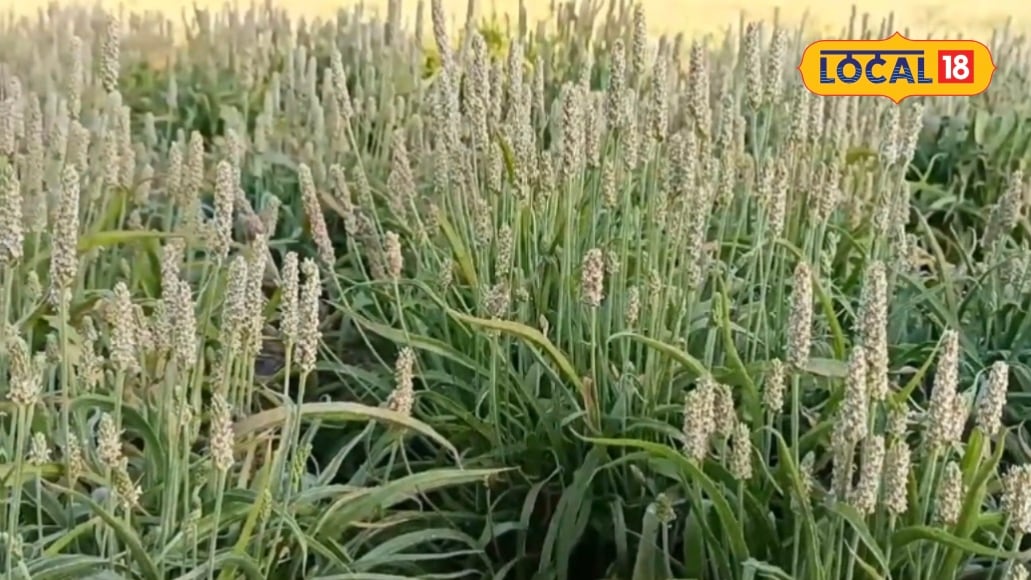
Agriculture News: Sowing operations for Isabgol, widely recognized as a high-value cash crop requiring minimal irrigation, have officially commenced in the Jalore region. The agricultural community has turned its attention toward maximizing productivity through efficient resource utilization, marking the beginning of the crucial winter cropping season. Farming enthusiasts and local cultivators are actively preparing their lands to capitalize on the optimal weather conditions and market demand associated with this specialized medicinal crop.
Historically, the cultivation of Isabgol has served as a resilient agricultural strategy for farming communities facing water scarcity challenges in arid and semi-arid regions. The plant is botanically adapted to dry climates, making it an ideal choice for areas where groundwater levels and monsoon precipitation remain consistently low. Over the decades, agricultural science and traditional farming knowledge have combined to refine the sowing techniques, ensuring that cultivators can achieve maximum economic returns from minimal water investments.
Examining the ground reality of current agricultural logistics, the financial stakes for local cultivators are substantial, given the export demand for psyllium husk globally. While exact numerical production quotas fluctuate annually, agricultural advisors underscore the importance of strict adherence to recommended agronomic practices. Cultivators are meticulously monitoring soil moisture levels, seed treatment protocols, and field preparation to prevent fungal infections and ensure uniform germination across their agricultural plots.
Agricultural extension officers, local farming leaders, and experienced cultivators have shared valuable perspectives regarding the current season. Stakeholders emphasize that timely execution is the single most critical determinant of agricultural success for Isabgol production. Experienced growers advise new entrants to source certified disease-free seeds and consult with district agricultural bureaus to obtain precise guidance on fertilizer application and pest management strategies tailored to the local soil composition.
While the primary cultivation activities are centered in Jalore, the ripple effects of successful Isabgol production extend across regional agricultural markets and trade networks. Rural economies dependent on seasonal cash crops experience increased financial liquidity when harvests perform well, benefiting local merchants, transport providers, and labor communities alike. The broader regional impact underscores the necessity of robust agricultural planning and timely seasonal execution for rural prosperity.
Administrative bodies and district agricultural departments are maintaining active oversight to support farming communities throughout the sowing window. Officials are disseminating advisory notices, organizing awareness camps, and ensuring the unhindered availability of quality inputs such as certified seeds and recommended fertilizers. These institutional measures aim to safeguard cultivators' interests and promote sustainable agricultural practices across the operational districts.
Looking ahead, agricultural experts reiterate that 15 November marks the absolute deadline for the optimal sowing window to prevent adverse weather impacts during the later stages of maturation. The entire crop cycle typically spans several months, requiring careful monitoring during the flowering and seed-setting phases. Public expectations remain high for a bountiful harvest, provided that seasonal weather patterns remain favorable and cultivators adhere strictly to the recommended agricultural guidelines.
