
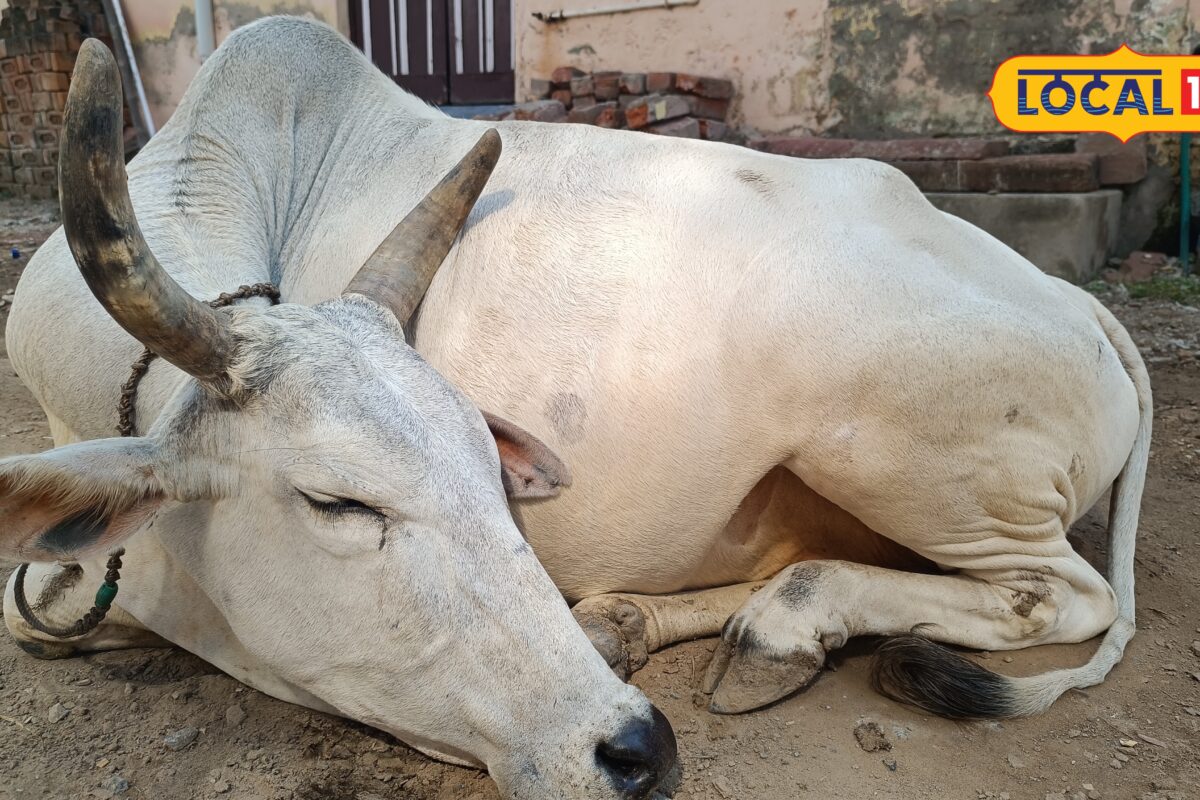
As the winter season deepens across the region, livestock experts and veterinary authorities have issued an urgent advisory highlighting the critical necessity of proper care for cattle, with a special emphasis on vulnerable young calves. Severe cold weather conditions pose significant health hazards to domesticated animals, frequently triggering life-threatening medical conditions such as pneumonia and white diarrhea. Maintaining optimal health standards during plummeting temperatures requires constant vigilance and disciplined husbandry practices from every animal owner in the community.
Historically, winter-related ailments among livestock have been a persistent challenge for rural households whose livelihoods depend heavily on dairy and animal husbandry. The sudden drop in ambient temperatures compromises the delicate immune systems of young calves, making them highly susceptible to respiratory infections and severe gastrointestinal disorders. Understanding the etiology of these seasonal illnesses underscores the importance of preventive management long before visible symptoms manifest in the herd.
On the ground, local dairy farmers and livestock rearers face substantial financial and logistical stakes as they attempt to safeguard their valuable animals from harsh weather. Implementing adequate protective measures requires meticulous attention to the microclimate within animal shelters, ensuring that drafts are completely eliminated. Experts emphasize that shielding the housing structures from all sides to block freezing winds is an absolute prerequisite for maintaining normal body temperature among newborn and growing calves.
Engaging with local farming communities reveals deep concerns regarding proper husbandry techniques and the prevention of management errors during peak winter months. Experienced breeders and local agricultural leaders stress that practices such as clothing calves inadequately or administering milk and tea through incorrect methods can lead to catastrophic health consequences. Stakeholders universally agree that avoiding these common operational mistakes is just as important as medical intervention when it comes to maintaining herd vitality.
The regional impact of livestock mortality directly resonates throughout the local economy, affecting milk yields, agricultural income, and the overall stability of rural households. Healthy cattle are the backbone of the agrarian sector, and any seasonal downturn in animal health ripples across local markets and community welfare. Ensuring that livestock remains robust throughout the winter months preserves the economic viability of countless families dependent on dairy production.
In response to these recurring seasonal challenges, administrative bodies and veterinary departments are ramping up outreach efforts to educate the rural populace on best practices for animal care. Officials reiterate that timely intervention and strict adherence to expert guidelines can drastically reduce morbidity and mortality rates among livestock populations. Local veterinary clinics remain on high alert to provide emergency consultations and guidance to farmers seeking immediate medical assistance for distressed animals.
Looking forward, the sustained implementation of proper sheltering, scientific feeding, and prompt veterinary care will determine the survival and productivity of regional livestock through the remainder of the winter. Community leaders and agricultural extension workers plan to continue conducting awareness campaigns to reinforce these life-saving protocols. Ultimately, proactive seasonal management will safeguard both the welfare of the animals and the economic security of the region's dedicated animal owners.
