
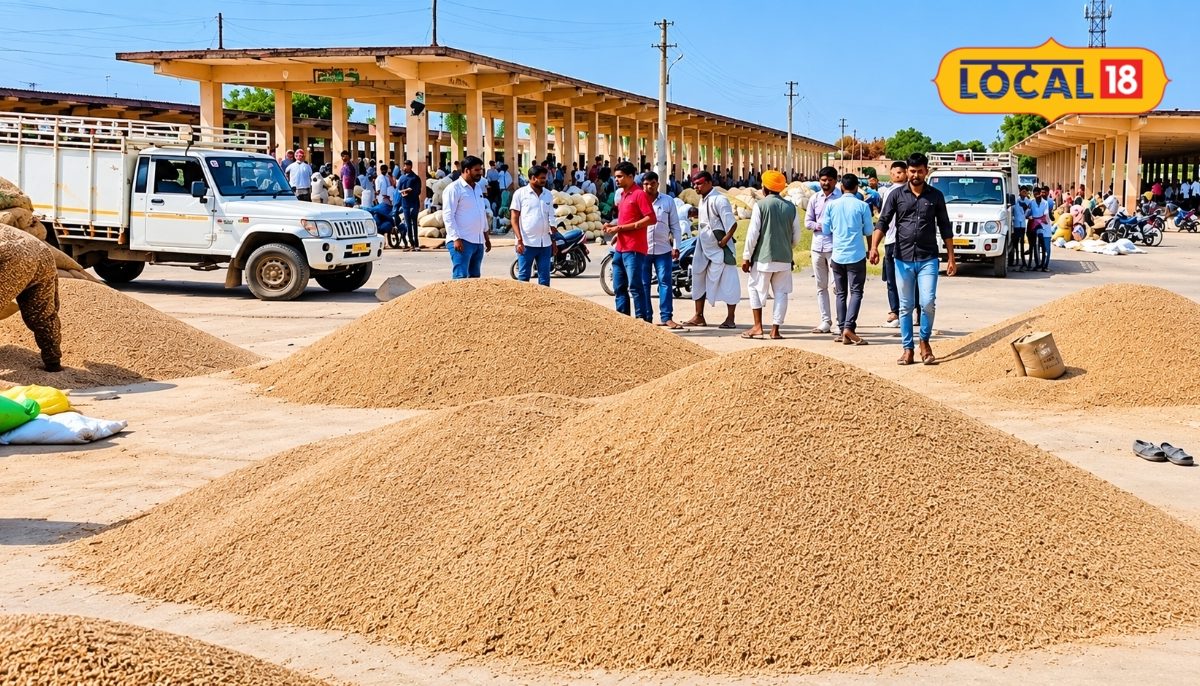
Agricultural trading activities in the western region of Rajasthan have gained notable momentum as kharif crop arrivals continue to flood local markets. On 20 November, major agricultural trading hubs in Nagaur and Merta reported robust commercial activity, with key commodities registering substantial market valuations. The consistent inflow of newly harvested farm produce has drawn significant attention from local cultivators, traders, and agricultural economists monitoring regional supply chains.
Historically, the agricultural markets of Nagaur and Merta have served as vital economic barometers for the farming community throughout Rajasthan. The seasonal arrival of kharif crops traditionally determines the financial well-being of thousands of rural families who depend heavily on favorable harvest yields and competitive market pricing. The current trading season follows months of rigorous agricultural labor, unpredictable weather patterns, and meticulous crop management by local farming households.
According to the latest official market data released from the trading floors, significant price variations were recorded across multiple commodities. On 20 November, the market rate for moong peaked at an impressive 8500 rupees per quintal, reflecting steady commercial demand. Simultaneously, cumin demonstrated robust market strength, with prices crossing the 22500 rupees per quintal threshold. Alongside these primary crops, consistent trading volumes were also registered for moth, guar, chana, sarson, and isabgol.
Market participants, including local commission agents, cooperative representatives, and farmers visiting the Mandi premises, expressed diverse perspectives regarding the prevailing pricing structure. While cultivators welcomed the higher valuations for premium-quality moong and cumin, concerns regarding input costs and logistics continue to influence agricultural sentiment. Traders noted that steady institutional demand and regional supply dynamics are playing a primary role in sustaining these current price levels.
The economic repercussions of these Mandi trends extend well beyond the immediate municipal boundaries of Nagaur, influencing commercial networks in neighboring districts such as Kotputli-Behror. Rural markets within the Kotputli-Behror region often mirror broader state-level commodity shifts, impacting local retail pricing, agricultural investments, and rural purchasing power. Small-scale farmers and local merchants closely track these daily updates to optimize their commercial strategies and financial planning.
Local agricultural authorities and market committees are maintaining strict oversight of trading operations to ensure fair practices, transparent auction procedures, and adherence to established regulatory frameworks. Officials have emphasized the importance of maintaining orderly auctions, proper weighment standards, and timely payment mechanisms for all participating farmers. Administrative measures are continuously reviewed to facilitate smooth logistical operations within the Mandi premises.
Looking ahead, agricultural experts anticipate sustained trading activity as the remaining kharif harvest reaches regional markets over the coming weeks. Stakeholders are advised to remain informed regarding daily price fluctuations, weather forecasts, and institutional policy updates. Continued transparency in market operations will remain essential for fostering a stable and prosperous agricultural economy across Nagaur, Merta, and the wider region.
