The seasonal transition across Rajasthan has entered a decisive phase as the withdrawal of the monsoon reaches its concluding stage. Meteorological indicators confirm that the remaining weather systems responsible for seasonal rainfall are rapidly dissipating across the territory. Consequently, the entire state is anticipated to experience a complete clearance of monsoon conditions within the next two to three days. This structural shift in atmospheric pressure heralds the onset of a drier phase for the region.
Reviewing the historical progression of seasonal cycles in the region, the retreat of the monsoon typically aligns with the shifting equinox and the subsequent weakening of continental low-pressure areas. Over the past several decades, the state has consistently witnessed a systematic phasing out of precipitation by late September or early October. This year's retreat follows a familiar climatic trajectory, where maritime moisture currents are gradually replaced by dry continental winds originating from the northern plains.
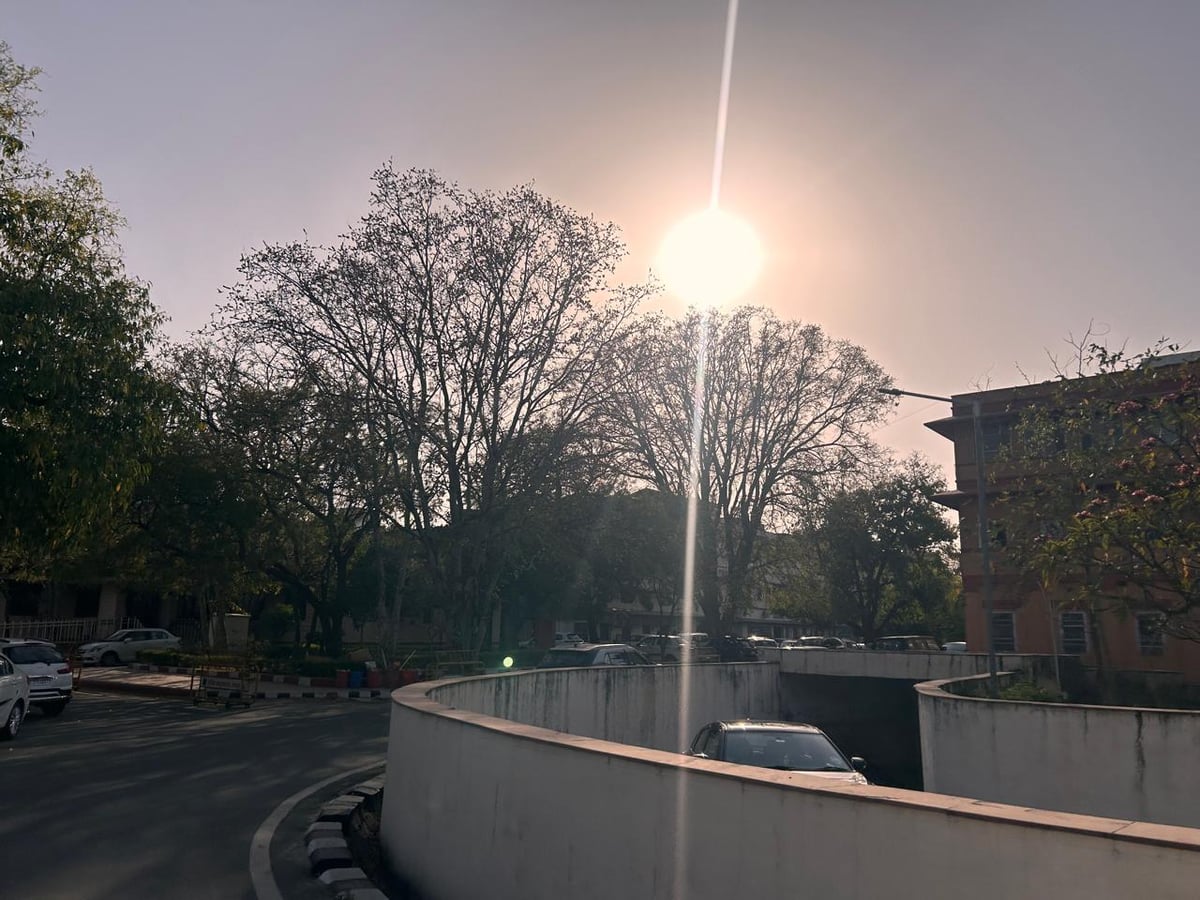
On the ground, the immediate manifestation of this withdrawal is a sharp deceleration in precipitation metrics across all participating districts. Field observations indicate that rainfall counts have dropped to negligible levels, clearing the skies for unhindered solar radiation during daylight hours. While the receding moisture initially permitted some lingering humidity, the prevailing dry air mass is rapidly altering the microclimate, resulting in noticeable shifts in daily weather parameters.
Local communities, agricultural stakeholders, and regional traders are already observing the tangible effects of this environmental shift. Farmers are adjusting their post-monsoon harvesting and sowing schedules to align with the anticipated dry spell. Meanwhile, commercial sectors note a distinct adaptation in consumer routines as the urgency of monsoon preparedness gives way to preparations for the upcoming festive and post-monsoon trading season.
Within the specific jurisdiction of Kotputli-Behror and its surrounding rural and urban extensions, the withdrawal carries significant localized implications. The local agrarian economy, which relies heavily on the temporal distribution of seasonal precipitation, is transitioning toward irrigation management. Local markets are experiencing shifts in commercial demand, reflecting the seasonal fatigue associated with heavy rains and a pivot toward autumn commerce.
Administrative bodies and local governance structures are monitoring the transition closely to ensure that public health and civic amenities remain unaffected by the sudden temperature fluctuations. Municipal authorities are reviewing water conservation structures and preparing for infrastructural maintenance during the dry window. Public advisories are being contemplated to guide citizens through the seasonal health challenges that typically accompany transitional weather phases.
Looking toward the immediate future, meteorological forecasts project an intensification of daytime temperatures as October progresses. Although the nights will retain a pleasant, mild coolness characteristic of the autumn onset, the afternoon hours will experience elevated thermal indices. Citizens across the state are advised to prepare for the warmer October climate as the final traces of the monsoon officially recede into memory.