
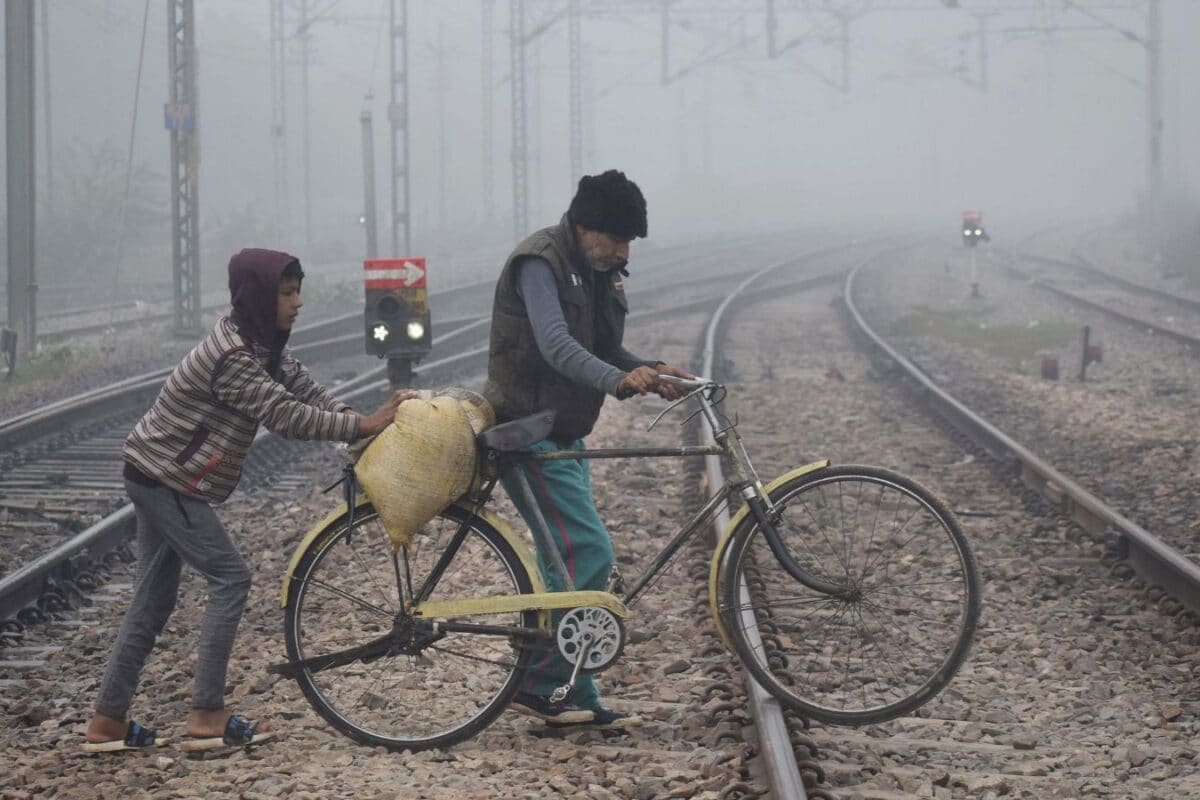
The state of Rajasthan is gearing up for a profound meteorological shift as winter finally begins to exert its definitive influence across the region. According to the latest weather assessments, atmospheric conditions are stabilizing, and the preceding phase of sporadic rainfall and persistent drizzling has officially come to a complete halt.
Reviewing the climatic history of previous winter transitions in the region, meteorologists note that the abrupt cessation of monsoon and post-monsoon precipitation regularly triggers a sharp and noticeable compression in ambient thermal levels. This year follows a similar trajectory, wherein the departure of moisture-laden air masses has allowed dry continental winds to sweep unobstructed across the vast expanse of the state.
Delving into the concrete empirical figures and observational data, meteorological analysts project that over the next four to five days, minimum and maximum temperatures across various administrative zones will witness a downward revision ranging between two to four degrees Celsius. This quantified thermal contraction is expected to alter the diurnal rhythm significantly, bringing pronounced cold spells during the pre-dawn hours and deep into the night.
Local communities, agricultural laborers, and daily wage earners are already adjusting their daily routines to cope with the intensifying chill. While daytime hours will continue to feature bright, uninterrupted sunshine due to clear skies overhead, the psychological and physical relief traditionally associated with afternoon warmth is anticipated to diminish progressively as the week unfolds.
In specific urban and regional centers, such as the capital city of Jaipur, meteorological forecasts for Monday, 16 November, indicate that the skies may remain partially overcast with scattered cloud formations. Despite this partial cloud cover, no precipitation is anticipated, ensuring that the prevailing dry weather regime remains completely undisturbed throughout the territory.
Administrative bodies, local municipal corporations, and public health departments are closely monitoring the changing climatic patterns to evaluate potential public welfare requirements. Adequate preparedness measures, including the eventual establishment of temporary night shelters and public advisories for vulnerable populations, are being deliberated to safeguard community health against sudden thermal shocks.
Looking ahead toward the immediate procedural outlook, residents across Rajasthan must prepare for sustained cold conditions throughout the remainder of November. As the meteorological department maintains continuous surveillance on localized atmospheric fluctuations, public cooperation and adherence to seasonal health precautions will remain vital in navigating the deepening winter season.
