
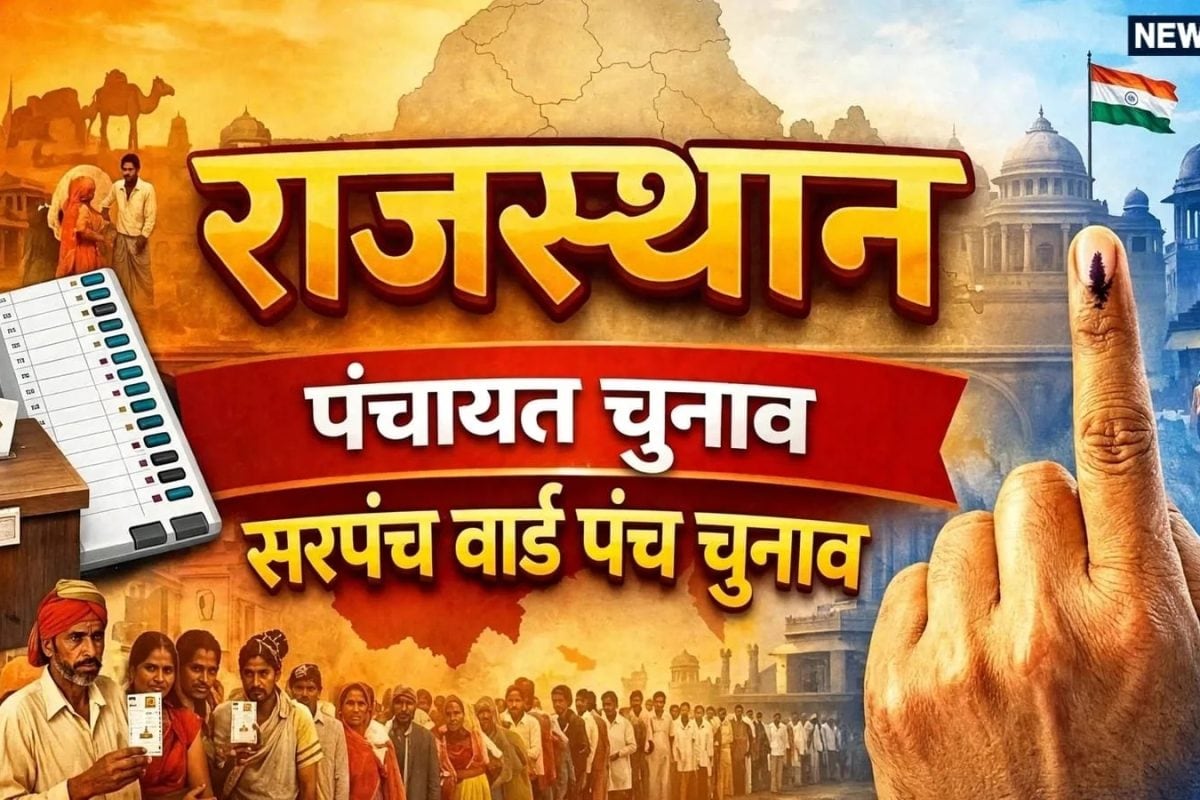
The state of Rajasthan is witnessing the final battle for rural governance today, November 16, as the fourth and concluding phase of the Panchayati Raj elections officially commences. This high-stakes electoral phase covers a vast geographical spread, engaging citizens across 25 districts as they head to the polls to elect their new Sarpanchs and ward panchs. The democratic exercise marks a crucial milestone in grassroots political representation, determining local leadership for thousands of villages.
Historically, the Panchayati Raj elections in Rajasthan have served as the foundational bedrock of local democracy, empowering rural communities to manage their own developmental affairs, infrastructural planning, and resource distribution. Over successive electoral cycles, these elections have evolved into intensely contested political battles, reflecting shifts in rural aspirations and grassroots political mobilization. The culmination of this multi-phase election cycle signifies the completion of another vital term in rural local self-government.
On the ground, the logistical scale of this final phase is massive and meticulously organized by election authorities. Voting is being conducted through traditional ballot boxes across 3,500 Village Panchayats, ensuring transparency and accessibility for rural voters. To facilitate this massive exercise, a total of 11,198 polling booths have been established throughout the 25 participating districts, operating under strict administrative supervision from 7 AM to 6 PM.
Local communities, community leaders, and local stakeholders have expressed profound enthusiasm regarding the ongoing electoral proceedings. Citizens have queued up in large numbers since early morning at various polling stations, demonstrating their commitment to choosing accountable and transparent leadership at the village level. Local business owners, farmers, and community elders actively discuss the pressing local issues, ranging from basic infrastructure development to clean drinking water and sanitation.
The regional impact of these elections is particularly pronounced in key areas, including Jaipur and its surrounding rural belts such as Aandhi, Jamwaramgarh, Bassi, and Tunga, where polling is proceeding at a brisk pace. The outcomes in these areas dictate local administrative priorities and developmental fund allocations for the upcoming term, directly influencing the socio-economic trajectory of rural households and agricultural communities.
District administration and election officials have enforced stringent security and procedural protocols across all 11,198 polling centers to prevent any untoward incidents and guarantee free and fair voting. Magistrates, police forces, and sectoral officers are continuously monitoring the polling process, ensuring that the voting hours from 7 AM to 6 PM are observed without disruption or administrative lapses.
Looking ahead, the electoral timeline moves swiftly following the conclusion of today's voting. Immediate counting of votes will take place today itself right after the polling concludes, providing rapid results for Sarpanch and ward panch positions. This will be followed by the election of Up-sarpanchs on November 17, while the results for District Councils and Panchayat Samitis are scheduled to be officially declared on November 20.
