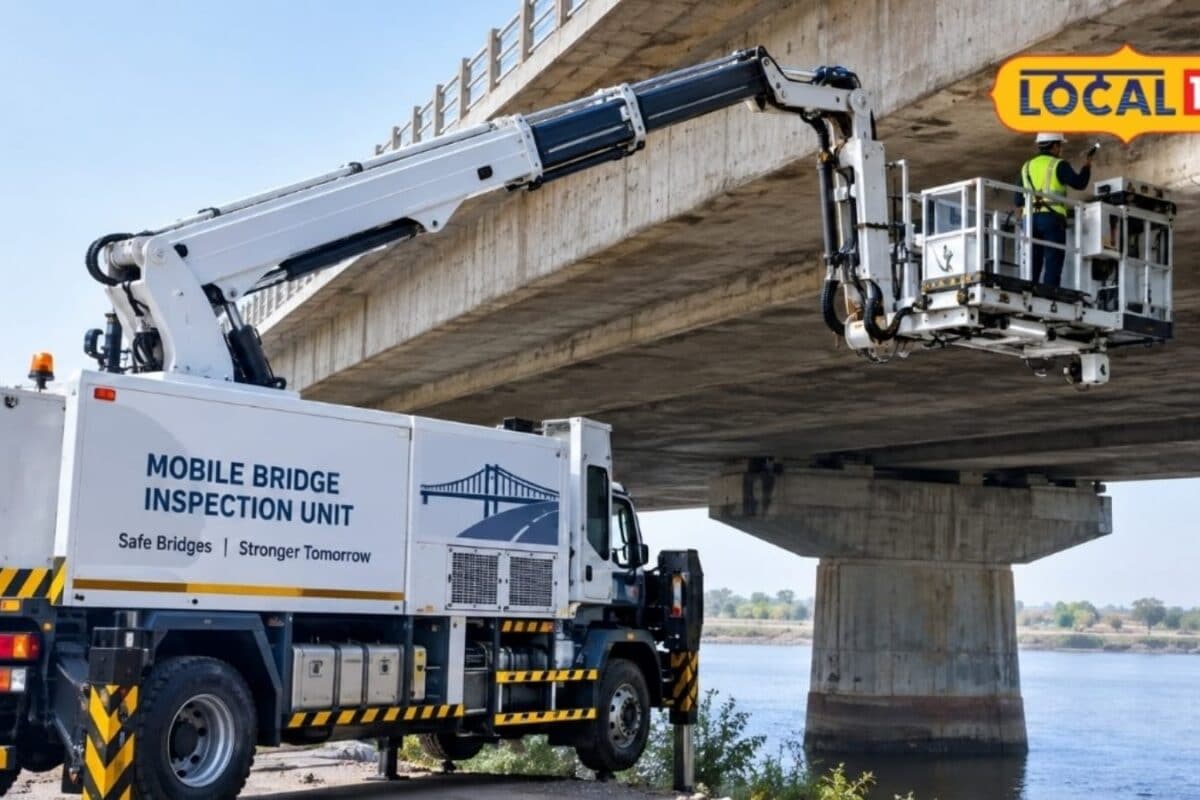
As the network of national highways, expressways, and bridges expands rapidly across the country, the necessity for their regular structural inspection and maintenance has grown manifold. In response to this rising infrastructural demand, specialized mobile bridge inspection units are emerging as a distinct and highly lucrative business model within the infrastructure service sector. This specialized enterprise addresses the critical safety requirements of modern transportation networks while opening up sophisticated avenues for industrial investment and service provision.
The foundational framework of this business model relies on sophisticated machinery imported directly from Austria, which is subsequently assembled domestically in India. Once the specialized inspection equipment is procured, it is mounted onto heavy-duty commercial vehicle chassis, specifically utilizing robust platforms such as Tata or Prima vehicles. This engineering integration ensures that the inspection unit possesses the requisite mobility, durability, and load-bearing capacity to navigate diverse geographical terrains and challenging construction sites across the nation.
From a financial perspective, establishing a fully operational mobile bridge inspection unit requires a substantial capital investment ranging between 4 crore and 4.5 crore rupees, with standard estimates frequently centering around 4.5 crore rupees. This comprehensive expenditure covers the import of specialized Austrian technology, heavy vehicle chassis procurement, local assembly, and necessary vehicular modifications. Industry analysts note that these specialized machines are primarily intended to be leased out to bridge construction companies, national highway developers, and major infrastructure contractors who require periodic safety clearances.
Industry stakeholders and infrastructure contractors have highlighted the immense operational viability of leasing such specialized heavy equipment. Market valuations indicate that the daily rental rates for a mobile bridge inspection unit range between 40,000 and 50,000 rupees. Under optimal operational conditions where the equipment secures active deployment for approximately 25 days in a given month, the gross rental income can accumulate up to an impressive 11.25 million rupees, or 11.25 lakh rupees, translating into substantial monthly business revenue.
The expansion of this specialized service sector carries profound implications for regional economies, including developing transport corridors and industrial hubs near districts like Kotputli-Behror. As local and regional infrastructure projects proliferate, the availability of advanced inspection machinery nearby ensures that structural assessments are conducted expeditiously. This local accessibility reduces transit delays for heavy machinery, thereby supporting regional contractors in fulfilling their mandatory safety obligations efficiently and without prohibitive logistical overheads.
Administrative oversight and statutory compliance play a pivotal role in the deployment of heavy infrastructure inspection units. Government agencies and national highway authorities increasingly mandate rigorous, periodic structural audits for all major bridges and flyovers to prevent structural failures. Consequently, infrastructure contractors are compelled to engage certified inspection services, thereby ensuring a steady, legally mandated demand for mobile bridge inspection units throughout their operational lifecycles.
Looking forward, the outlook for the mobile bridge inspection unit business remains exceptionally robust as India continues to prioritize infrastructural modernization and highway network expansion. Industry experts project that as more expressways and complex multi-lane bridges become operational, the reliance on specialized domestic assembly and leasing models will intensify. Prospective investors and infrastructure entrepreneurs are expected to increasingly explore this capital-intensive yet high-yield service sector to capitalize on the nation's ongoing infrastructural transformation.