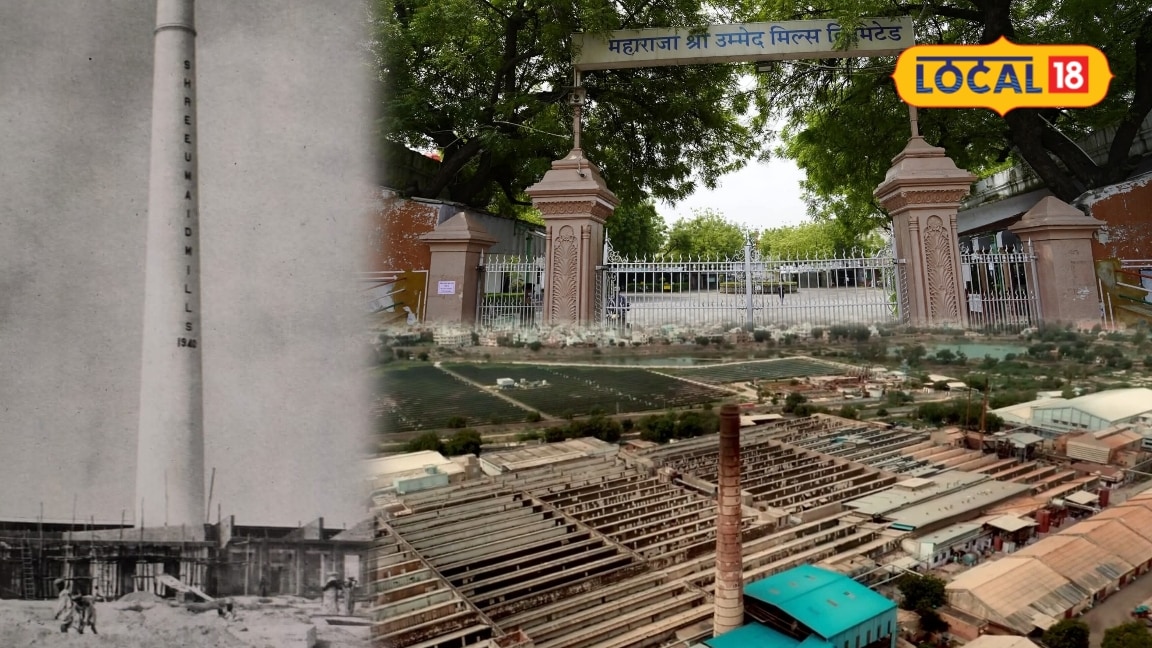
In the heart of Rajasthan's Pali district lies a monumental chapter of industrial heritage, the Maharaja Umed Mills, which has shaped the region's economic identity for decades. Established in the year 1939, this institution holds the prestigious distinction of being the oldest and largest cotton mill in the entire state of Rajasthan. Over the span of its 87-year journey, the mill has evolved from a princely era enterprise into a cornerstone of industrialization, bridging traditional craftsmanship with large-scale manufacturing.
The historical genesis of Maharaja Umed Mills traces back to a visionary era when the foundations of modern industry were being laid across the region. Since its inception, the mill has maintained an unwavering commitment to excellence, serving as a primary catalyst for transforming Pali into a bustling textile hub. The establishment not only generated massive employment opportunities for generations of local workers but also positioned Pali prominently on the industrial map of India, drawing attention to its superior production capabilities.
Examining the operational and financial scale, the mill's contribution to domestic and international trade has been monumental. Specializing in the production of high-grade thread and globally recognized cotton fabrics such as Lily and Rupmati, the enterprise established robust supply chains reaching far beyond national borders. These specific textile products have consistently met international quality standards, securing a dedicated clientele across various foreign nations and boosting the region's export volume significantly.
Industry veterans, local traders, and community stakeholders frequently reflect upon the profound socio-economic influence the mill has exerted on the local populace. Generations of families in Pali district have depended directly or indirectly on the operations of Maharaja Umed Mills for their livelihoods. The structured industrial environment fostered by the management over the decades cultivated a strong sense of community pride, establishing the mill not merely as a commercial entity, but as an integral pillar of local society.
The ripples of the industrial success achieved by Maharaja Umed Mills extended far beyond the immediate boundaries of Pali district, influencing economic networks across neighbouring regions including areas like Kotputli-Behror. The constant exchange of raw materials, finished textile goods, and skilled labor created a robust interconnected regional economy. Traders and logistics providers across Rajasthan drew substantial business opportunities from the continuous transportation and distribution of textile products originating from this historic mill.
Throughout its 87-year existence, the administrative framework governing the mill has adapted to numerous technological advancements and regulatory changes. From ensuring compliance with statutory industrial norms to maintaining continuous modernization of machinery, successive managements have strived to preserve the operational viability of the enterprise. This meticulous oversight ensured that the mill weathered various economic cycles while retaining its core identity and high standards of textile production.
Looking toward the future, the legacy of Maharaja Umed Mills continues to inspire modern industrial planning and heritage conservation in Rajasthan. As the mill preserves its glorious past while navigating contemporary market dynamics, public expectations remain high regarding the preservation of its historical architecture and industrial ethos. The enduring story of this 1939 establishment remains a shining testament to Rajasthan's industrial prowess, reminding future generations of the journey from princely heritage to global textile recognition.