
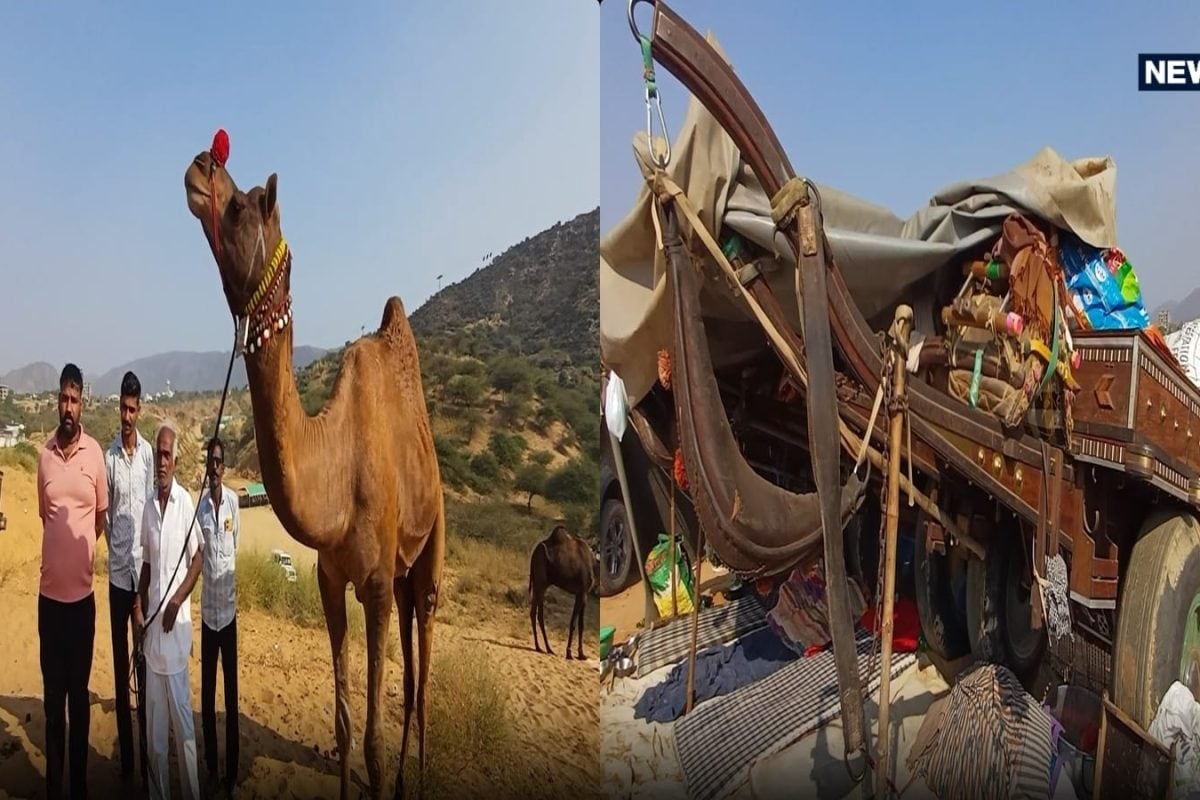
The annual international Pushkar animal fair has once again illuminated the desert landscape with vibrant traditions, featuring an extraordinary six-year-old Bikaneri breed camel adorned in thirty-five tola of silver ornaments. This magnificent ship of the desert has instantly transformed into the primary cynosure of all eyes, drawing thousands of fascinated traders, tourists, and livestock enthusiasts from across the country to the bustling fairgrounds.
Bringing this stunning animal to the historical fair is Rajendra Singh Rathore, a dedicated livestock breeder hailing from Indokha village in Kuchaman City, who boasts an illustrious forty years of continuous experience in camel breeding, rearing, and trading. His lifelong dedication to the preservation of indigenous desert livestock is vividly reflected in the meticulous care and regal presentation of his prized six-year-old animal.
Standing at an impressive height exceeding seven feet, the Bikaneri camel commands immediate attention through its sheer majestic stature and opulent silver decoration. Rathore initially acquired this exceptional animal three years ago for two lakh rupees, and due to its peerless physical attributes and grand presentation, current market evaluations have driven top bids for the camel up to 3.15 lakh rupees.
Demonstrating unwavering commitment to traditional livestock presentation, the breeder traveled all the way from Kuchaman City to Pushkar utilizing a specially constructed, highly ornate camel cart that cost approximately 1.30 lakh rupees to manufacture. This remarkable logistical effort underscores the deep cultural value and immense personal pride that regional breeders invest in participating in the prestigious Pushkar fair celebrations.
Reflecting on the broader cultural implications of his participation, Rajendra Singh Rathore emphasized that camels constitute the foundational living heritage and true identity of Rajasthan, asserting passionately that the community and authorities alike must actively step forward to ensure their sustained protection and conservation.
Local trade analysts and community elders within the broader regional circuit, including areas spanning toward Kotputli-Behror, have noted that such high-profile animal displays significantly boost local agrarian economies, stimulate traditional handicrafts, and reinforce rural livelihoods linked directly to indigenous livestock rearing.
As the international fair progresses through its scheduled timeline, grand exhibitions and high-value livestock transactions are expected to continue drawing massive crowds, reinforcing public expectations for robust state-level patronage and enhanced policy frameworks dedicated to desert animal preservation.
