
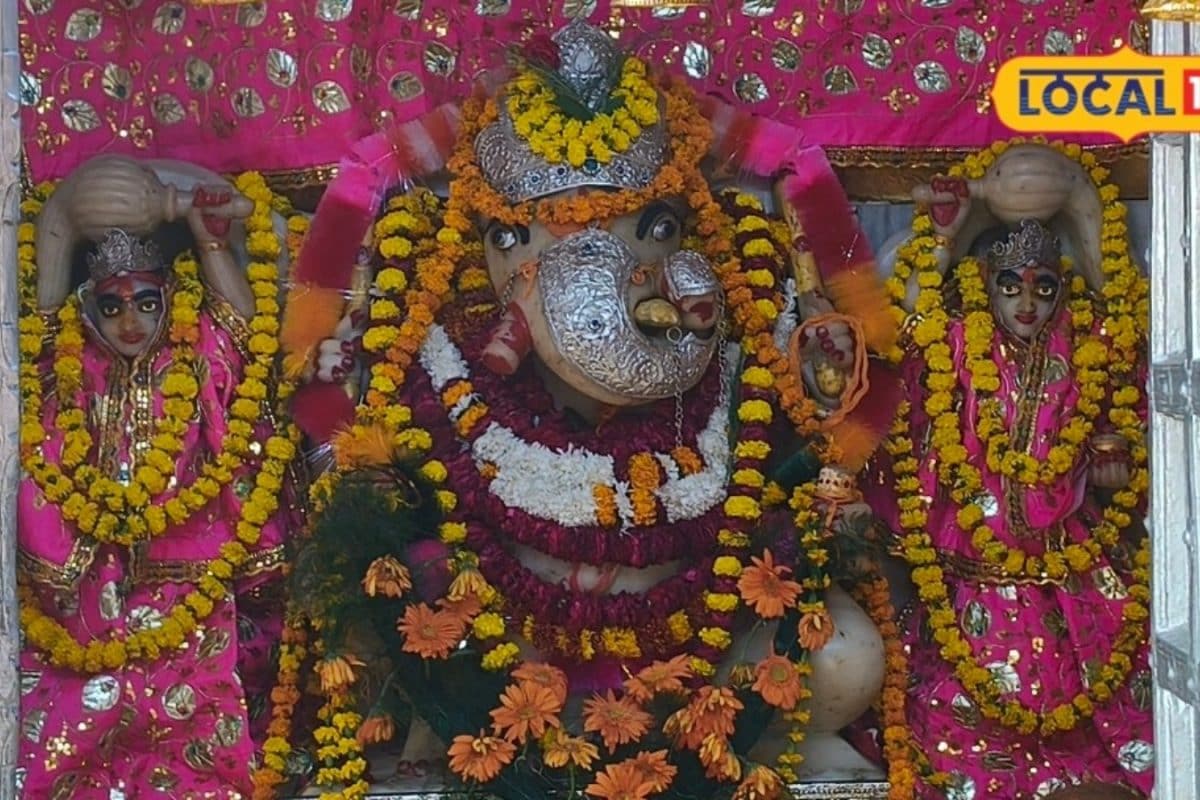
In the historic landscape of Jaipur and the broader region of Rajasthan, the Shwet Siddhi Vinayak Temple stands out as an architectural and spiritual marvel. Dedicated to Lord Ganesha, this renowned shrine holds a distinct identity due to its unique rituals and centuries-old traditions that set it apart from conventional places of worship across the state. As the sole temple of its kind in the region, it attracts countless devotees throughout the year who seek divine blessings from a uniquely manifested form of the deity.
Tracing its roots back two and a half centuries, the historical significance of the Shwet Siddhi Vinayak Temple is deeply intertwined with the cultural heritage of Jaipur. Over the course of 250 years, the temple has witnessed numerous historical shifts while preserving its core spiritual sanctity. Generations of families have maintained the ancestral traditions associated with the shrine, ensuring that its architectural integrity and ritualistic practices remain unaltered through the passage of time.
The defining feature of this revered temple is the rare white idol of Lord Ganesha enshrined within the sanctum sanctorum. While the vast majority of Ganesha temples feature idols adorned with traditional orange vermilion, the Shwet Siddhi Vinayak Temple presents a pristine white representation of the deity. This distinct physical form commands immense reverence and serves as the primary focal point for the spiritual practices conducted within the sacred premises daily.
A profound departure from standard ritualistic protocols is observed in the daily worship practices at the temple. Instead of the customary application of vermilion, the priests and devotees perform the ritual ablution of Lord Ganesha exclusively using pure milk. This sacred bathing ritual with milk is performed with utmost devotion and strict adherence to ancient Vedic guidelines, creating a deeply serene and pious atmosphere for everyone in attendance.
The cultural resonance of the Shwet Siddhi Vinayak Temple extends far beyond the immediate boundaries of Jaipur, influencing spiritual practices and tourism throughout Rajasthan. Pilgrims and cultural researchers frequently visit the site to document and witness the unique traditions that have survived for 250 years. The presence of such a rare shrine enriches the religious diversity and heritage of the entire region, fostering a sense of shared history among the local populace.
Administrative oversight and local community stewardship play a crucial role in preserving the pristine condition of the temple complex. Dedicated committees and community volunteers work tirelessly to manage the steady influx of visitors, especially during festive periods such as Ganesh Chaturthi. Their concerted efforts ensure that the heritage structure is protected and that all daily rituals, including the milk ablutions, are conducted seamlessly without disrupting the surrounding urban environment.
Looking ahead, custodians and elders of the temple are committed to passing down the sacred knowledge of these age-old traditions to younger generations. Plans are underway to document the historical milestones of the 250-year-old institution more comprehensively for future historians and spiritual seekers. Through continued community dedication and reverence, the Shwet Siddhi Vinayak Temple will undoubtedly remain a shining beacon of faith and cultural uniqueness in Rajasthan for centuries to come.
