
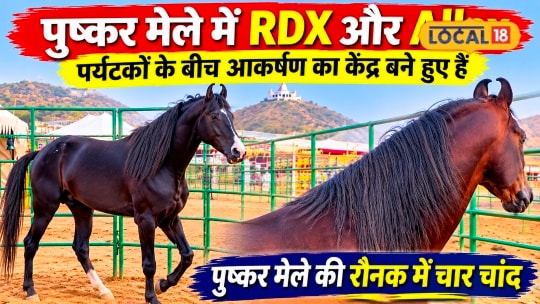
The annual Pushkar International Animal Fair has once again captured national attention, emerging as the epicenter of livestock trading and cultural heritage. This year, the primary focal point of the grand exhibition is the arrival of two exceptionally bred equines originating from the state of Maharashtra. Named RDX and Alex, these majestic creatures have instantly transformed the fairgrounds into a bustling hub for tourists, breeders, and animal husbandry enthusiasts from across the nation, establishing new benchmarks for equine valuation in contemporary agricultural fairs.
Historically, the Pushkar fairgrounds have served as a vital traditional marketplace where rural breeders congregate to exchange livestock, celebrate regional folklore, and display indigenous breeds. The introduction of elite animals from distant regions such as Maharashtra elevates the stature of the event, blending modern elite breeding practices with ancient pastoral traditions. This evolution demonstrates how livestock exhibitions continue to adapt, attracting high-net-worth investors and connoisseurs of rare animal lineages who view such fairs as prestigious platforms for showcasing superior biological assets.
At the center of this immense admiration is RDX, a horse standing at an impressive height of 68.5 inches, whose formidable physical structure and regal demeanor command instantaneous respect. Alongside him is Alex, another equine masterpiece whose valuation matches the astronomical figure of five crore rupees. Together, the duo represents the pinnacle of equine development, combining structural symmetry, stamina, and striking aesthetics that distinguish them from ordinary livestock brought to the traditional fairgrounds.
The logistical and financial commitment required to maintain such prized animals is substantial, reflecting their elite status. According to handlers and caretakers present at the exhibition grounds, the daily nutritional and maintenance expenditure for RDX and Alex touches fifteen hundred rupees per day. This substantial financial investment ensures that the animals receive specialized diets, optimum medical supervision, and meticulous grooming necessary to preserve their physical condition and radiant coats throughout the duration of the international event.
While the immediate economic ripple effects are primarily felt within the exhibition perimeter, the presence of such high-value assets significantly boosts tourism and regional commerce in neighboring administrative zones, including Kotputli-Behror. Traders, hoteliers, and local artisans benefit immensely from the influx of affluent tourists and media delegations who arrive to witness these multi-crore equines firsthand. The broader regional economy thrives on the heightened commercial activity generated by visitors drawn to such remarkable spectacles.
In response to the massive crowds gathering around the enclosures of RDX and Alex, local administrative bodies and fair organizers have implemented rigorous safety and crowd-control measures. Ensuring the well-being of these high-value animals amidst thousands of curious onlookers requires coordinated efforts between municipal authorities, security personnel, and animal husbandry experts. Adequate barricading and dedicated handlers remain stationed round the clock to manage the relentless stream of admirers.
As the Pushkar International Animal Fair progresses through its scheduled timeline, the legacy of RDX and Alex is projected to inspire a renewed appreciation for elite equine breeding and maintenance standards. Stakeholders anticipate that the immense publicity surrounding these Maharashtrian stallions will encourage future investments in indigenous livestock development across the country. The fair continues to stand as a testament to the enduring bond between rural heritage and commercial enterprise.
