
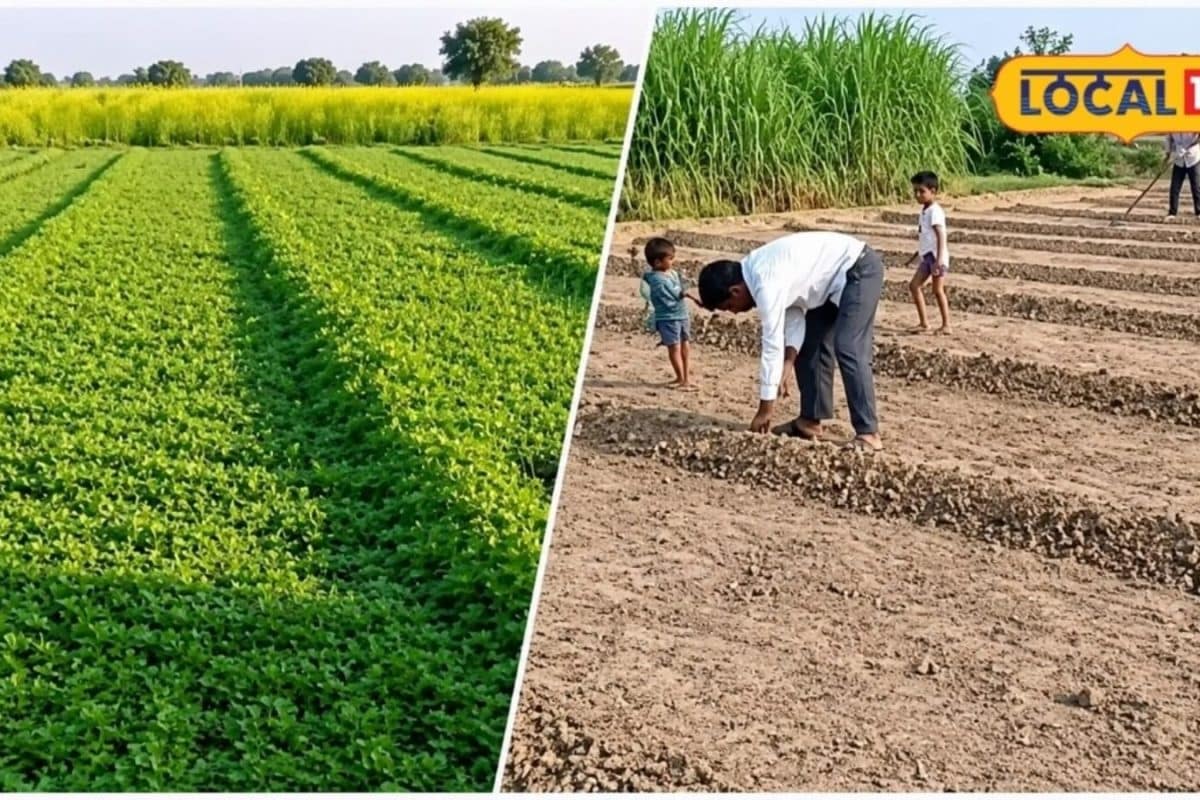
Livestock rearing remains a cornerstone of the rural economy, and ensuring a steady supply of nutritious green fodder is a primary concern for farmers. Addressing this persistent agricultural challenge, cultivating lucerne has emerged as an exceptionally viable solution that guarantees a reliable feed source for cattle while significantly reducing annual sowing efforts and operational costs for cultivators.
Agricultural practices in the region have historically witnessed various crop rotation cycles, yet the management of perennial fodder crops requires specialized knowledge. Lucerne has long been recognized within traditional farming communities as a resilient forage option, capable of withstanding various climatic pressures while consistently delivering high yields of protein-rich vegetation essential for dairy and draft animals.
Examining the technical aspects of this agricultural practice, cultivators can achieve optimal results by utilizing scientifically recognized improved varieties. Prominent strains such as Anand-2, LLC-3, Type-9, and RL-88 have been identified as highly productive options suitable for diverse agro-climatic conditions, ensuring that farmers obtain maximum nutritional output per unit area of cultivated land.
Progressive farmers and agricultural scientists emphasize that achieving the targeted yield requires adherence to recommended agronomic protocols. Incorporating well- decomposed farmyard manure into the soil provides essential basal nutrients, while treating seeds with rhizobium culture enhances nitrogen fixation capabilities, thereby promoting vigorous early root development and overall plant health.
Beyond its direct benefits as livestock feed, the cultivation of this perennial crop plays a crucial ecological role in agricultural lands. The root systems of the plants naturally enrich the soil architecture and increase overall fertility, acting as a biological enhancer that reduces the heavy reliance on synthetic chemical fertilizers for subsequent cropping seasons.
Agricultural extension departments and local farming authorities continuously monitor fodder production trends to advise rural communities on best practices. Emphasizing the importance of timely irrigation and proper drainage, officials stress that systematic farm management prevents waterlogging and ensures the longevity of the crop stands over the multi-year production cycle.
Looking toward the future of sustainable animal husbandry, adopting multi-cut forage crops like lucerne represents a strategic advancement for rural livelihoods. As farmers continuously seek methods to optimize resource utilization and lower input expenditures, the widespread adoption of such enduring forage varieties promises long-term economic stability and agricultural resilience.
