
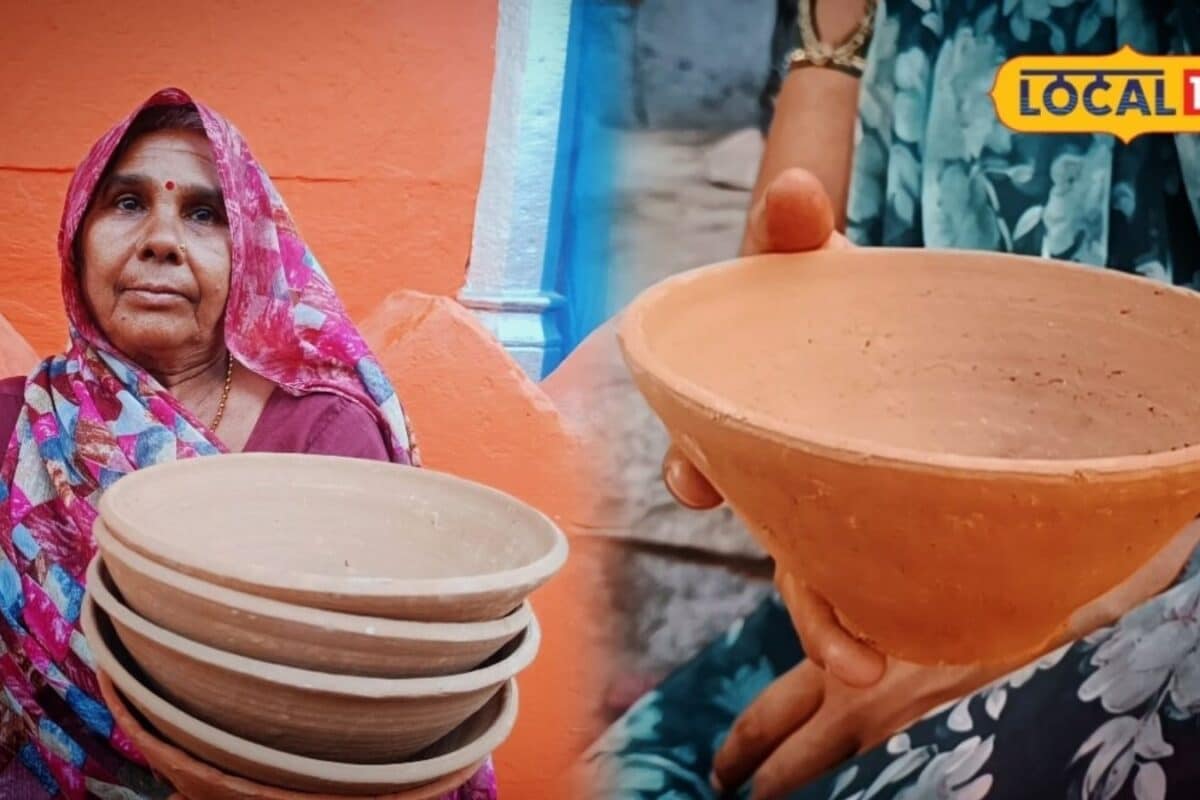
Ahead of the auspicious festivities of Diwali 2026, markets across the region are witnessing a remarkable surge in demand for specialized earthen pottery, with a particular focus on a traditional ritual lamp originating from Karauli. While modern decorative items frequently flood contemporary urban marketplaces, local households maintain an unwavering preference for this specially crafted traditional earthen lamp dedicated to the worship of Goddess Lakshmi. This unique cultural artifact seamlessly bridges ancient heritage with contemporary festive preparations, holding a distinct place in regional households.
The historical origin and cultural context of this specialized lamp are deeply rooted in generational traditions passed down through centuries in Karauli. Local potter communities meticulously mold these items, ensuring that the ancient techniques of traditional pottery are preserved against the backdrop of industrial modernization. Elder community members emphasize that this enduring craft represents more than mere commerce; it serves as a vital cultural thread connecting modern generations to their ancestral roots, carrying forward ancient customs with immense pride and dedication.
Examining the ground reality and logistical aspects, this remarkable lamp stands out due to its distinctive physical dimensions and functional capabilities. Measuring approximately four times larger than standard earthen lamps commonly found in retail markets, the Karauli shagun lamp is engineered to hold a substantial amount of ghee. According to technical observations and traditional usage, a single filling allows the sacred flame to burn continuously for up to 24 hours, providing uninterrupted illumination throughout the sacred night of Lakshmi worship.
Stakeholder perspectives and community voices further underscore the profound spiritual and economic significance of this tradition. Renowned elder community figure Dhanno Devi highlights that the religious importance of this specific lamp has been strictly preserved across successive generations without interruption. According to local customs, families traditionally purchase exactly one such lamp to serve as a primary shagun symbol for the household, reinforcing its status as an indispensable component of auspicious rituals rather than a bulk commercial purchase.
Assessing the regional impact on local economies, the production and distribution of these lamps provide a vital seasonal boost to traditional potters operating within the region. Despite fluctuating economic conditions, the pricing remains remarkably accessible to all segments of society, retailing consistently between 20 and 30 rupees per piece. This affordability ensures that every household, regardless of economic strata, can partake in the generational tradition, thereby supporting grassroots artisans who rely heavily on the festive season for their livelihood.
Regarding administrative facilitation and systemic oversight, local governing bodies and cultural departments frequently encourage traditional artisan communities by promoting indigenous handicrafts. Authorities ensure that potters receive adequate public spaces for seasonal markets, minimizing logistical hurdles and facilitating direct consumer access. Such measures are vital for sustaining indigenous art forms and protecting traditional rural occupations from fading into obscurity amidst mass-produced alternatives.
Looking toward the forward outlook and future expectations, community leaders and cultural preservationists remain optimistic about the sustained relevance of Karauli's traditional lamp. As preparations for Diwali 2026 continue to expand, artisans are already scaling up production to meet anticipated regional demand. The unwavering commitment of local residents to uphold ancestral rituals guarantees that this 24-hour burning shagun lamp will continue to illuminate homes and safeguard cultural heritage for many generations to come.
