
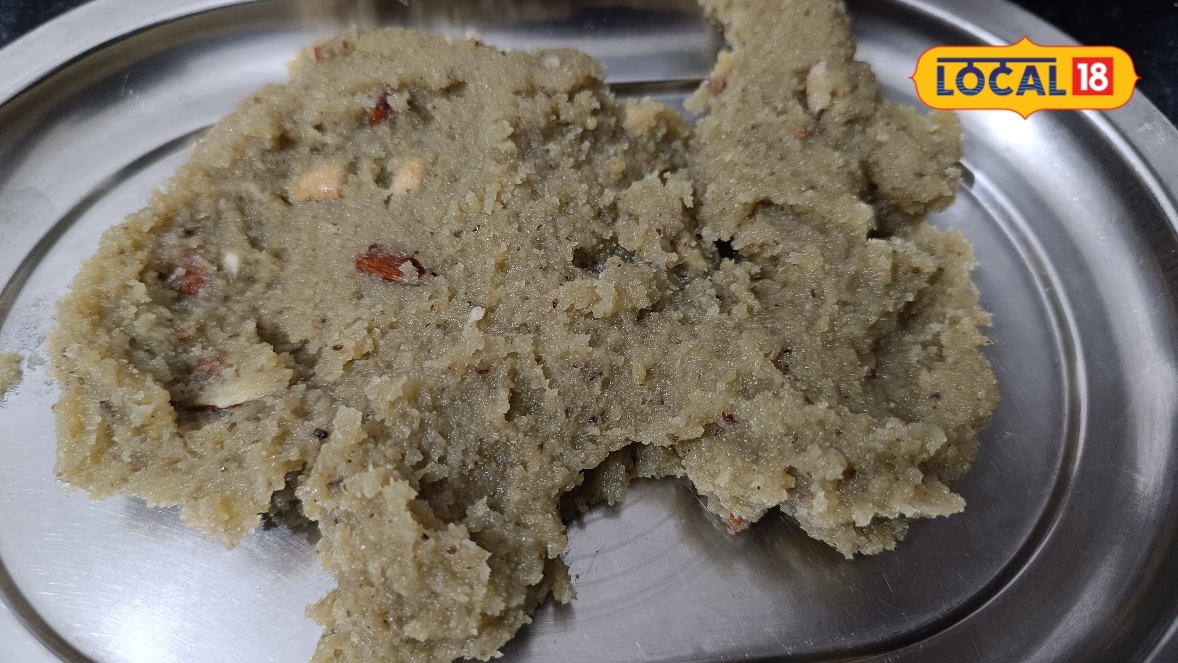
As the festive season of Diwali approaches, families across the region are increasingly seeking traditional culinary alternatives to commercial market sweets. The growing concern over food adulteration in commercial markets has prompted a significant cultural shift toward home-cooked preparations. In Dholpur, local homemaker Prabha Sharma has stepped forward to champion this traditional approach by highlighting a classic recipe for Chana Dal Halwa.
The culinary heritage of preparing lentil-based sweets during auspicious occasions dates back generations in regional households. Unlike modern processed confectionery, traditional preparations like Chana Dal Halwa emphasize wholesome ingredients such as pure cow ghee, fresh milk, and nutrient-dense dry fruits including cashews and almonds. This historical reliance on natural kitchens reflects a deep-rooted tradition of health and festivity.
Examining the domestic economic and logistical aspects of festival preparations, households are finding that preparing sweets at home offers superior quality control and nutritional value. The primary ingredients—split Bengal gram, dairy products, and premium nuts—are sourced carefully to ensure absolute purity. While commercial sweet vendors face fluctuating market prices and quality scrutiny, domestic kitchens maintain uncompromised standards of hygiene and authentic taste.
Community members, culinary experts, and local citizens have expressed enthusiastic support for reviving such traditional recipes. Prabha Sharma emphasizes that preparing festive sweets domestically not only ensures the health and well-being of family members but also preserves culinary heritage. Neighbors and community members frequently exchange these homemade delicacies, thereby strengthening social bonds during the festival of lights.
The resonance of traditional culinary practices extends notably into regional communities, including households across Kotputli-Behror and surrounding districts. Local markets observe a parallel surge in the demand for raw ingredients like pure ghee, lentils, and dry fruits, altering seasonal retail patterns. This localized economic activity benefits small vendors and agricultural suppliers who deal in essential festive commodities.
In response to the annual surge in food adulteration risks during festive periods, regional food safety authorities and health departments have intensified market inspections. While administrative bodies focus on regulating commercial sweet shops, they also encourage citizens to adopt hygienic home-cooking practices. Public health advisories consistently recommend traditional preparation methods utilizing certified pure ingredients to safeguard community welfare.
Looking toward the future of festive celebrations, culinary experts anticipate a sustained revival of traditional home-cooking practices. As public awareness regarding nutrition and food safety continues to expand, recipes handed down through generations, such as the one shared by Prabha Sharma, will remain central to cultural festivities. The community response indicates a permanent return to authentic, wholesome, and joy-filled household celebrations.
