
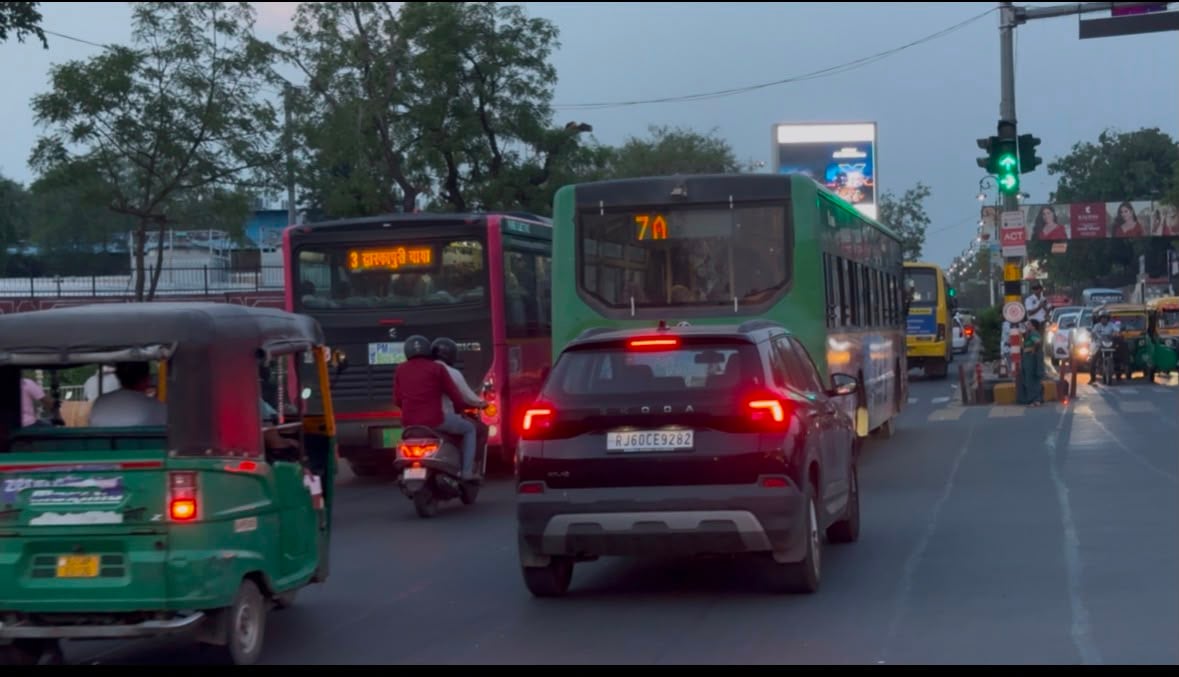
In a major administrative push towards enhancing urban mobility and road safety, the city of Jaipur is significantly expanding its traffic surveillance apparatus. Authorities are gearing up to utilize sophisticated Integrated Traffic Management System (ITMS) cameras to monitor vehicular movement and penalize traffic rule violators seamlessly across various intersections.
This initiative builds upon previous efforts to modernize urban traffic control infrastructure. Over recent years, traffic management has transitioned from manual monitoring by personnel to technological surveillance, aimed at reducing human error, curbing corruption, and ensuring unbiased enforcement of traffic laws across the region.
The deployment of these high-definition ITMS cameras involves comprehensive technical integration across major city junctions. While specific financial allocations and precise equipment counts remain part of ongoing administrative planning, the operational framework focuses entirely on capturing infractions such as signal jumping, overspeeding, and improper lane discipline.
Traffic enforcement officials and transport stakeholders anticipate that automated policing will significantly alter driving behavior. Commuters and transport associations have expressed mixed sentiments, acknowledging the necessity of safety while urging transparent grievance-redressal mechanisms to address erroneous automated ticketing.
The regional impact of this technological intervention extends beyond the immediate municipal boundaries of Jaipur, influencing neighboring transport corridors including the larger metropolitan and developing district zones. Improved compliance within the capital directly impacts commercial freight, daily commuters, and inter-city transit networks operating through these critical arterial routes.
Administrative oversight remains central to the implementation of this project. Traffic department officials, alongside technical contractors, are conducting rigorous trials and calibration exercises to ensure the accuracy of the automated number plate recognition systems before full-scale enforcement operations commence.
Looking ahead, the successful deployment of these automated systems is expected to establish a benchmark for smart city policing across the region. Authorities plan to scale the network progressively, educating the public on traffic discipline while strictly executing penalties to foster a safer environment for all road users.
