
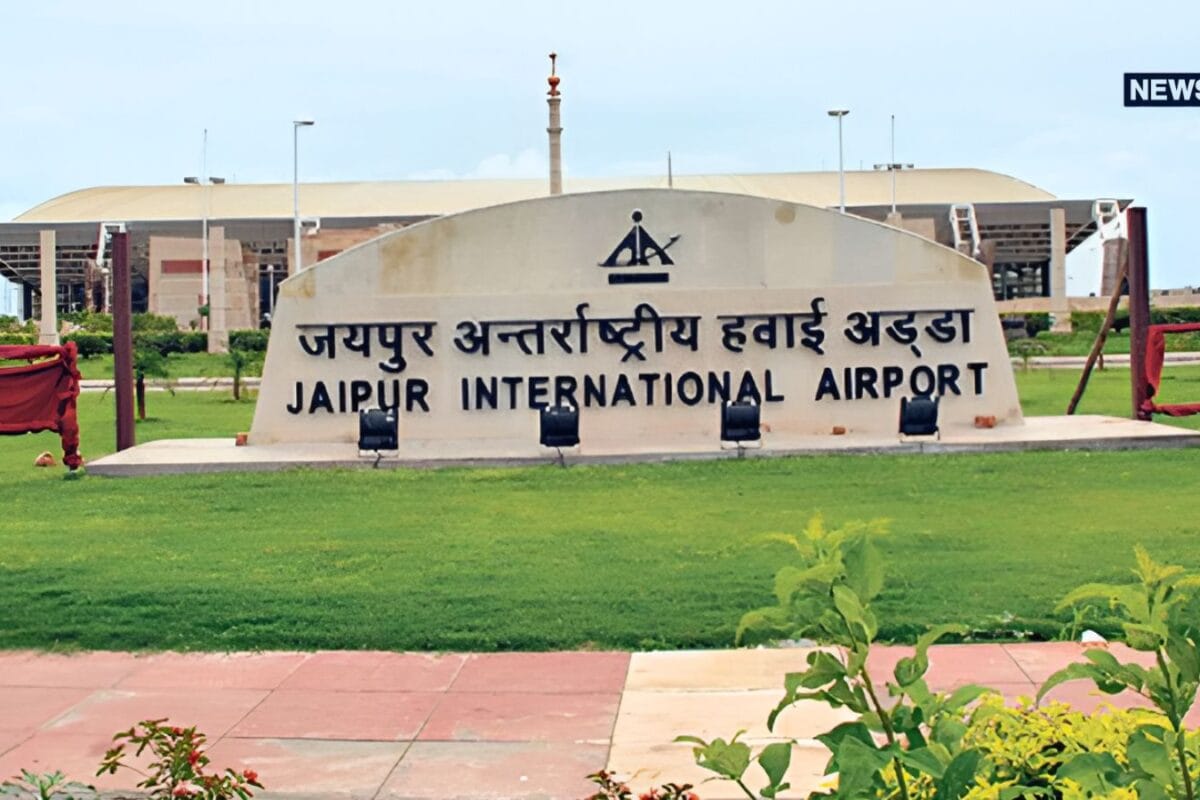
A high-security security alert unfolded at the Jaipur International Airport on Tuesday morning when Air India flight AI 2030, operating on the Frankfurt to Delhi route, executed an emergency landing following a serious hijack and bomb threat alert. The unfolding crisis prompted immediate engagement from multiple national and regional security apparatuses, plunging the aviation sector into heightened alert and strict containment protocols.
The critical sequence of events began when the Ahmedabad Air Traffic Control received an anonymous threat concerning the commercial airliner. Swiftly assessing the gravity of the situation, the flight's pilot transmitted the internationally recognized squawk code 'squawk-7500', which officially denotes an unlawful interference or hijack situation, compelling immediate emergency diversion procedures towards the nearest secure airfield.
At precisely 9:45 AM, the wide-body aircraft touched down safely at Jaipur International Airport and was immediately escorted away from the primary terminal buildings to a designated remote isolation bay. This meticulous logistical placement ensured that any potential explosive hazard or security breach was contained away from general civilian populations and vital airport infrastructure.
Following the secure parking of the aircraft, both flight pilots were safely extracted from the cockpit for rigorous debriefing and interrogation by specialized counter-terrorism units. Concurrently, law enforcement and specialized security teams initiated comprehensive screening and baggage de-boarding procedures for all passengers on board to neutralize any prospective threat.
The gravity of the threat brought top-tier administrative leadership to the tarmac. Central IB IG Ramakant, alongside specialized teams from the Anti-Terrorism Squad and local intelligence units, rushed to the airport to personally supervise the ongoing anti-sabotage operations and threat assessment strategies.
In tandem with the local deployment in Rajasthan, federal counter-terrorism preparedness was scaled up significantly. National Security Guard units stationed in the national capital of Delhi were placed on strict standby, ready for immediate aerial deployment if the tactical situation demanded specialized intervention or explosive ordnance disposal operations.
As security agencies continue their intensive sweep of the aircraft and passenger luggage, aviation authorities have assured the public that all necessary protocols are being meticulously followed. The incident highlights the unwavering vigilance of Indian aviation security networks and underscores the complex logistical challenges involved in managing transnational flight emergencies.
