
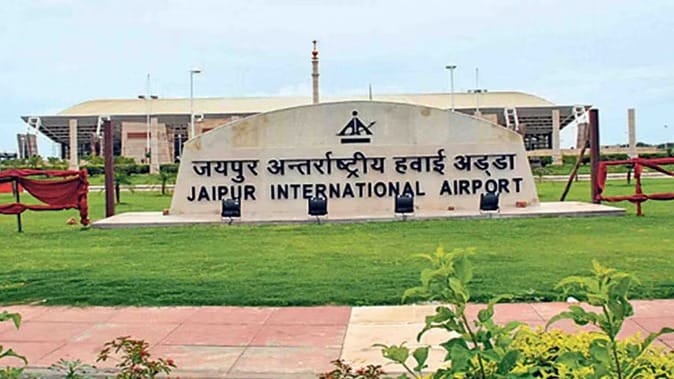
In a significant development for the aviation sector in Rajasthan, the Jaipur Airport has officially announced its comprehensive new winter schedule. The forthcoming seasonal plan projects domestic flight operations to decisively surpass the milestone of 60 flights. This strategic enhancement in scheduling has been meticulously designed to accommodate the surging demand for air transit during the winter months, ensuring smoother and more frequent travel connections for passengers across the region.
The formulation of seasonal winter schedules has historically played a pivotal role in optimizing airspace management and airline route planning. As climatic conditions fluctuate and passenger traffic patterns evolve towards the end of the year, airports nationwide adjust their operational timetables. For Jaipur Airport, this cyclical transition involves careful coordination with various domestic carriers to evaluate historical passenger load factors, peak travel hours, and prevailing infrastructural capacities within the terminal premises.
A critical highlight of the newly introduced winter schedule is the substantial enhancement of frequencies to major commercial hubs across the country. Passengers traveling from Jaipur to metropolitan destinations such as Mumbai, Delhi, and Bengaluru will experience noticeably improved connectivity. The operational blueprint outlines specific provisions to increase the frequency of scheduled departures to these high-demand sectors, thereby addressing the persistent requirements of business travelers, tourists, and corporate commuters alike.
Industry stakeholders, aviation experts, and commercial representatives have expressed optimistic viewpoints regarding the implementation of this enhanced winter timetable. Representatives from travel associations and local trade bodies note that augmented flight frequencies invariably stimulate regional commerce, tourism, and hospitality sectors. Airline operators have similarly indicated their commitment to deploying adequate aircraft capacity to meet the projected passenger volume during the peak winter travel season.
The broader economic ramifications of this expanded winter schedule extend profoundly into regional centers and districts surrounding the state capital, including areas dependent on efficient transit corridors. Improved air connectivity facilitates faster movement of corporate personnel, investors, and visiting delegations, which indirectly benefits regional economic development. Local businesses and service providers anticipate a positive ripple effect resulting from the steady influx of travelers arriving via these expanded domestic air routes.
Administrative authorities and airport management committees have undertaken rigorous preparatory measures to ensure that the ground infrastructure can seamlessly absorb the increased operational load. Coordination meetings involving security agencies, ground handling services, and terminal management teams have been conducted to streamline passenger processing, baggage handling, and aircraft turnaround times. These administrative protocols are vital for maintaining punctuality and minimizing congestion during peak operational hours.
Looking ahead, the successful execution of the winter schedule will be closely monitored by aviation authorities to assess passenger satisfaction and operational efficiency. The introduction of potential new routes alongside the frequency enhancements for Mumbai, Delhi, and Bengaluru marks a progressive step for Jaipur Airport. Public expectations remain high as travelers anticipate a more connected, efficient, and reliable air transportation network throughout the forthcoming winter season.