
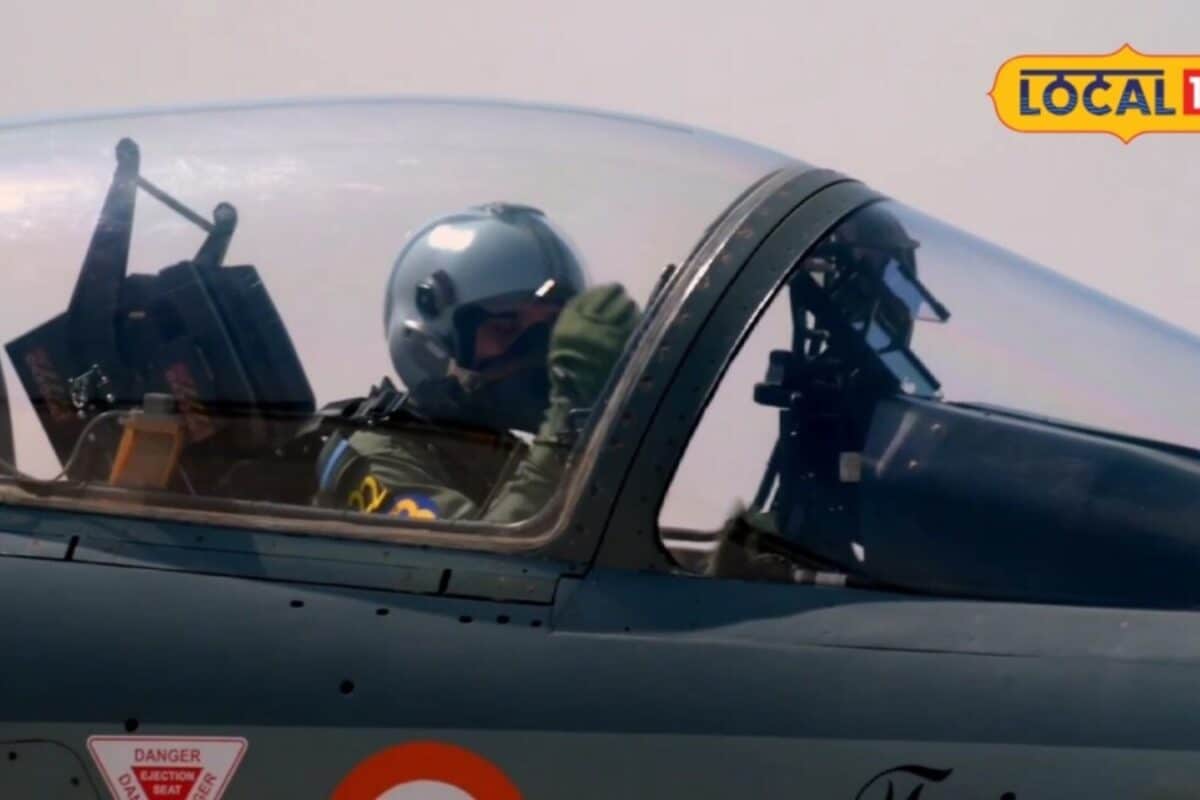
In a momentous development for the Indian Air Force, Air Chief Marshal AP Singh executed his final fighter sortie in the cockpit of the indigenous Tejas aircraft in Jodhpur. This high-profile operational flight served as the grand finale for the multinational air exercise Tarang Shakti 2026. The event witnessed extensive tactical drills and strategic aerial maneuvers involving advanced combat platforms.
The indigenous Light Combat Aircraft Tejas has steadily evolved as the formidable backbone of modern aerial combat formations within the Indian defense apparatus. Over the decades, the evolution of homegrown aerospace engineering has transformed strategic military capabilities. The active participation of the highest echelon of leadership in piloting this platform demonstrates unwavering confidence in domestic defense manufacturing.
Tarang Shakti 2026 successfully brought together multiple international air forces, fostering multilateral cooperation, tactical interoperability, and professional synergy. The exercise involved rigorous operational schedules, multi-domain combat simulations, and extensive logistical coordination across regional command structures. The participation of global air arms highlighted India's growing stature as a regional security provider and aerospace hub.
Defense analysts and military experts have noted that the Air Chief Marshal's personal sortie in the Tejas sends a strong, unambiguous message regarding the operational maturity of indigenous systems. Stakeholders within the defense production sector have repeatedly emphasized the critical importance of indigenization in achieving strategic autonomy. This landmark flight serves as a major morale booster for scientists, engineers, and aviators dedicated to self-reliance.
While metropolitan industrial centers drive high-technology manufacturing, the ripple effects of robust national defense preparedness extend deeply into regional economies and semi-urban districts like Kotputli-Behror. Communities across the nation closely follow these landmark military milestones with immense national pride and enthusiasm. The enhanced security architecture safeguards economic corridors and fosters a stable environment for regional development.
The Ministry of Defense and senior command echelons have maintained rigorous oversight throughout the execution of Tarang Shakti 2026, ensuring seamless coordination and safety protocols. Administrative machinery and logistical units worked in tandem to host international contingents successfully. Such large-scale military exercises demand meticulous planning, strict regulatory compliance, and robust institutional frameworks.
Looking ahead, the successful culmination of Tarang Shakti 2026 paves the way for advanced strategic partnerships and future iterations of joint military engagements. The Indian Air Force continues to modernize its operational fleets with cutting-edge indigenous technologies, keeping pace with contemporary security challenges. Public expectations remain high as the nation transitions toward a self-reliant defense ecosystem capable of projecting decisive power.
