
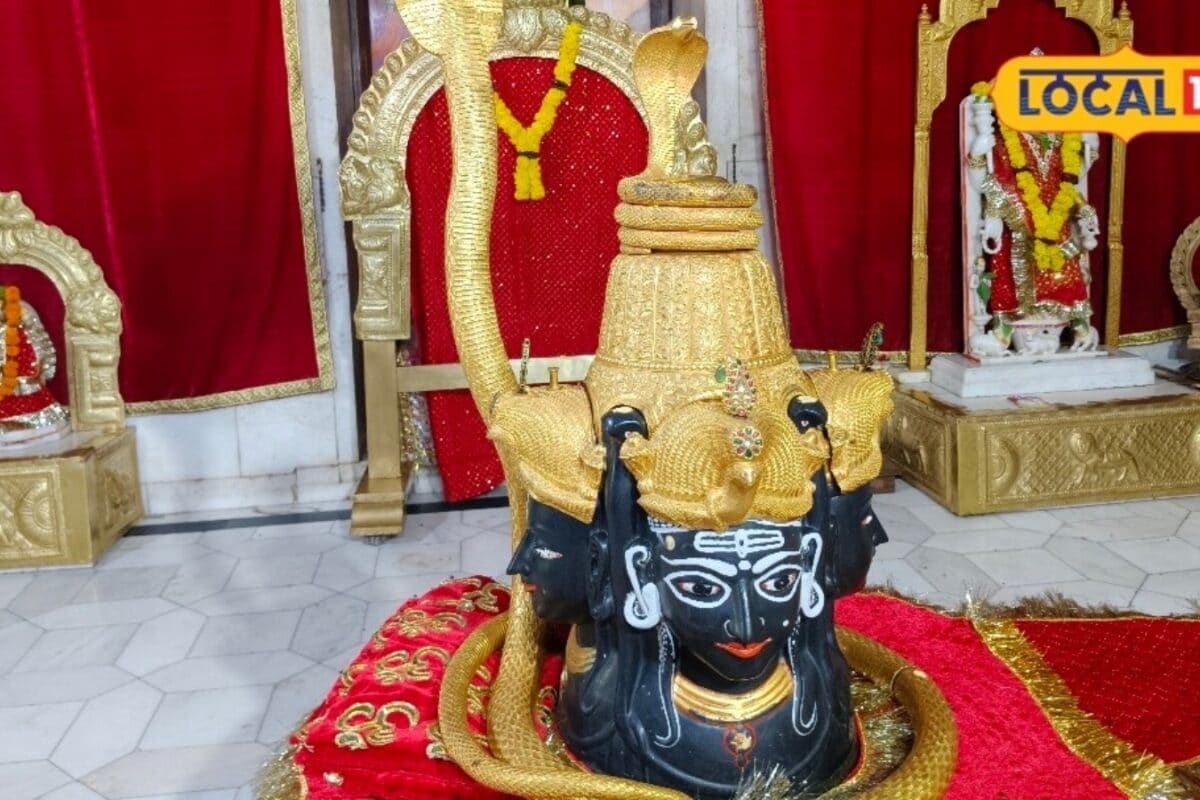
The historic city of Bikaner stands as a prominent guardian of Rajasthan's rich royal heritage, housing numerous architectural marvels and spiritual sanctuaries. Among these revered sites, the Laleshwar Mahadev Temple occupies a position of distinct historical and religious importance. Situated within the cultural fabric of Bikaner, the temple serves as a timeless testament to filial devotion and the enduring legacy of the region's erstwhile ruling dynasty.
Delving into the origins of the Laleshwar Mahadev Temple reveals a profound narrative deeply intertwined with the royal lineage of Bikaner. Historical accounts preserved by custodians of local heritage attribute the establishment of this sacred shrine directly to the royal household. The genesis of the temple is rooted in a noble intent to immortalize the memory of a revered patriarch through acts of pious architecture.
According to authoritative insights shared by Vimarshanand Maharaj, the esteemed presiding ascetic of Shivbari, the temple was commissioned by Maharaja Dungar Singh. The visionary ruler conceived the holy project specifically to ensure that the memory of his late father, Maharaja Lal Singh, remained perpetual and deeply honored within the spiritual consciousness of the dominion.
The nomenclature of the shrine itself reflects this deeply personal and historical foundation. Because the temple was established in loving and enduring memory of the Maharaja's father, it was fittingly designated as the Laleshwar Mahadev Temple. This distinct title bridges the personal reverence of the royal family with the broader devotional practices of the local populace who gathered to worship Lord Shiva.
Beyond its dynastic origins, the Laleshwar Mahadev Temple has seamlessly integrated into the daily religious life of Bikaner. For generations, devotees from various walks of life have visited the sacred premises to offer prayers and seek divine blessings. The architectural elegance and serene environment of the temple continue to attract spiritual seekers, reinforcing its status as a cornerstone of local heritage.
The preservation and continued reverence of such historical monuments play a crucial role in maintaining the cultural identity of the region. Elders, historians, and spiritual leaders in Bikaner consistently emphasize the importance of safeguarding these architectural treasures. Institutions like the Laleshwar Mahadev Temple serve as vital links connecting contemporary society with the profound traditions of the past.
As Bikaner continues to grow and modernize, the legacy of rulers like Maharaja Dungar Singh and the spiritual guidance provided by figures like Vimarshanand Maharaj ensure that the historical consciousness of the region remains intact. The temple stands not merely as a structure of stone and mortar, but as an eternal symbol of respect, devotion, and historical continuity for generations to come.