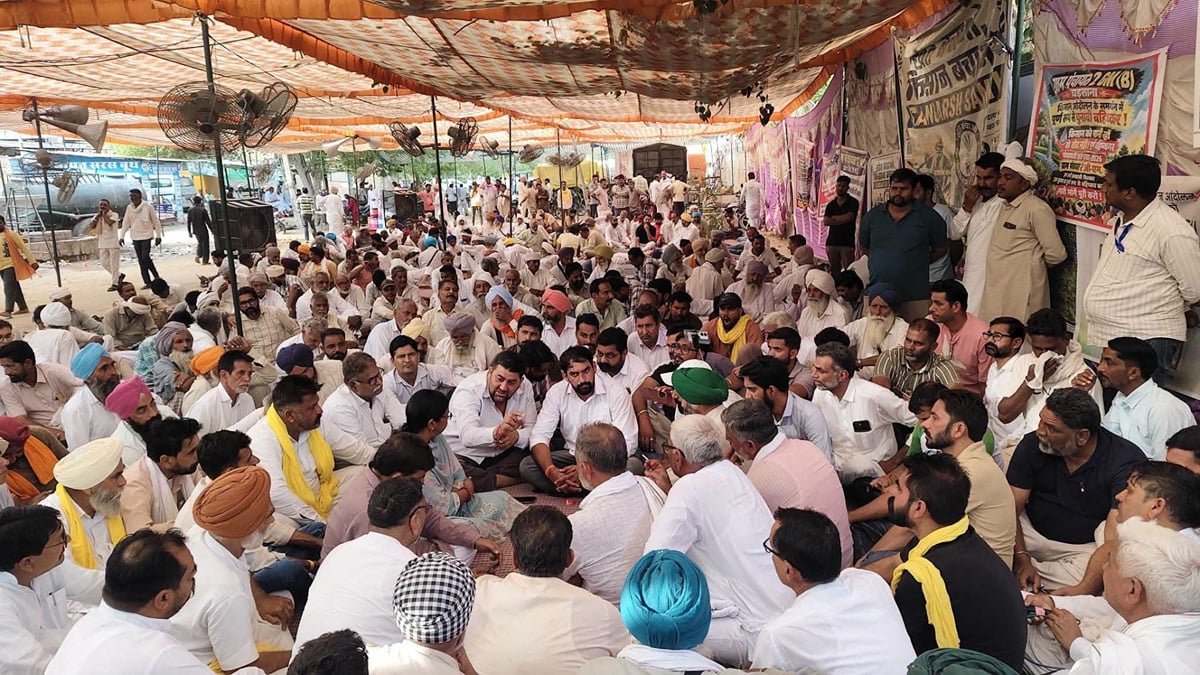
The agricultural heartland of Gharsana witnessed a dramatic escalation in agrarian tensions today as the ongoing protests demanding adequate irrigation water successfully crossed a critical milestone, entering their twenty-second consecutive day of mobilization. Farmers from across the region have stood united in their resolute defiance, staging continuous demonstrations to draw urgent attention to their severely depleted water resources. This prolonged agitation underscores deep-seated agrarian grievances that have progressively worsened over the recent weeks, compelling thousands of rural households to take to the streets in pursuit of immediate governmental intervention and equitable resource distribution.
Tracing the historical context of the current crisis, local agricultural bodies report that successive crop cycles have suffered immensely due to erratic canal water supplies and systemic distribution failures within the region. For years, cultivators in Gharsana have struggled to secure their rightful share of irrigation water, which serves as the absolute lifeblood of their agrarian economy. The persistent neglect of these vital infrastructural issues by concerned authorities has systematically eroded the financial stability of farming families, leaving them with no alternative recourse except to launch an indefinite and highly organized public protest to safeguard their agricultural livelihoods.
As the movement reached its twenty-second day, the ground reality on the streets and gathering venues of Gharsana reflected immense determination alongside severe economic anxiety. Community leaders and organizers have meticulously documented the extensive losses incurred by local cultivators, citing staggering statistics regarding failed sowing seasons and drying fields that threaten regional food security. The financial stakes for the local agrarian economy are exceptionally high, as hundreds of families face mounting debts and agricultural distress directly attributable to the persistent deficit in essential irrigation supply networks.
During a high-profile public anger assembly organized as part of the ongoing protests, prominent farmer representatives articulated the collective outrage and frustration felt across the community. Speaker after speaker strongly criticized the administrative apathy and demanded immediate corrective action to rectify the long-standing water scarcity crisis. In a decisive escalation of their political pressure tactics, the assembled farmers unanimously announced a formal boycott of the upcoming panchayat elections, sending an uncompromising message to policymakers that administrative indifference will no longer be tolerated under any circumstances.
The ripples of this intensive agitation in Gharsana extend far beyond immediate local boundaries, holding significant socio-economic implications for neighboring agricultural districts and communities throughout the broader region. The disruption of normal civic processes, combined with the resolved stance of the farming population, severely impacts local trade networks, rural commerce, and community stability. Regional analysts note that the prolonged unrest highlights a structural breakdown in participatory governance, necessitating immediate and transparent dialogue between government officials and grassroots agrarian leaders to restore normalcy.
In response to the mounting pressure from the sustained twenty-two-day protests and the newly declared electoral boycott, local administrative authorities are facing unprecedented scrutiny regarding their crisis management protocols. While official channels have acknowledged the gravity of the water scarcity concerns, concrete statutory interventions and tangible relief measures remain critically slow to materialize on the ground. Citizens and farmer union representatives continue to demand accountability and transparent timelines from district officials, insisting that bureaucratic delays will only exacerbate the existing public unrest and deepen the prevailing crisis.
Looking ahead, the trajectory of the Gharsana irrigation water agitation points toward a protracted confrontation between the determined farming community and the regional administration. With the explicit threat of a panchayat election boycott now formally integrated into their strategy, the pressure on governing authorities to negotiate in good faith has reached an all-time high. Observers anticipate that unless substantial concessions or actionable irrigation schedules are urgently introduced, the movement will intensify further, setting a formidable precedent for rural activism and democratic resistance across the entire region.