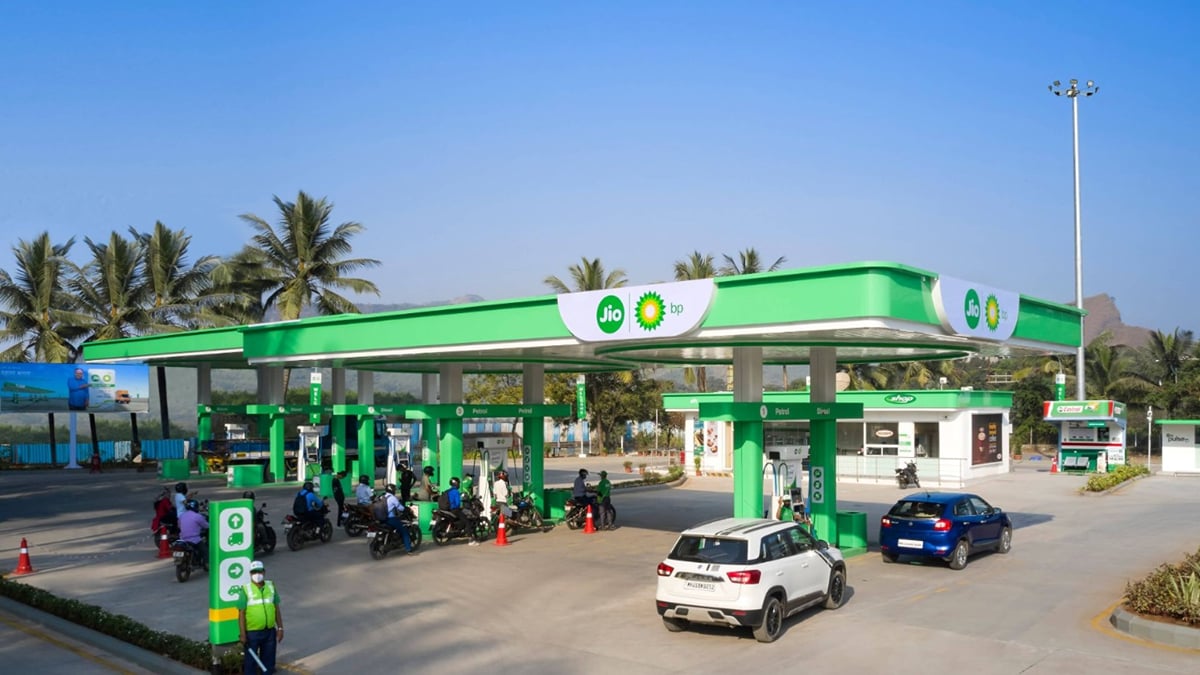
In a significant development for consumers across Rajasthan, private petroleum company Jio-BP has implemented a substantial price hike on essential transportation fuels, effective from October 11. This upward revision in retail rates directly impacts vehicular movement, logistical operations, and household budgets across multiple districts within the state. Motorists arriving at retail distribution outlets found themselves facing steeply higher bills as the new pricing structure took immediate effect.
The backdrop to this recent price adjustment involves complex pricing mechanisms adopted by private sector fuel retailers, who operate under distinct economic models compared to public sector oil marketing companies. Global crude oil market fluctuations, supply chain dynamics, and freight logistics historically dictate retail pricing strategies for private fuel stations operating within various Indian states. Consumers and market watchers have continuously monitored these shifts, anticipating potential cascading effects on the broader consumer market.
Specific financial figures released following the implementation confirm a marked increase in retail rates across the territory. Jio-BP officially increased the price of petrol by 5 rupees and diesel by 3 rupees per litre, creating an immediate strain on regular vehicle users. Consequently, in the capital city of Jaipur, the retail price of petrol has escalated to 113.91 rupees per litre, while diesel is currently retailing at 97.15 rupees per litre, reflecting the substantial weight of these hikes.
Local commuters, commercial vehicle operators, and transport union representatives have expressed deep apprehension regarding the long-term economic viability of their daily operations. Transport associations noted that these mounting fuel expenditures severely erode profit margins for truck and taxi drivers who depend heavily on consistent diesel pricing to sustain their livelihoods. Private vehicle owners similarly voiced frustration over the continuous financial pressure exerted by soaring energy costs within the state.
Within the Kotputli-Behror district and surrounding commercial corridors, the localized impact of this price hike is acutely visible among local businesses and daily commuters. As an important transit hub connecting major commercial routes, Kotputli experiences heavy vehicular traffic, making fuel pricing a critical determinant of local transport costs. Higher diesel prices directly translate into increased freight charges for goods transported through the region, potentially influencing the retail prices of essential commodities.
Administrative and regulatory bodies continue to observe fuel market developments while managing statutory taxation frameworks applicable to petroleum products across Rajasthan. State authorities frequently review fiscal policies governing energy commodities to balance revenue generation with consumer welfare, although private retail pricing remains largely governed by corporate marketing strategies and international market trends. District administrations maintain vigil to ensure fair trade practices at all fuel distribution points.
Looking ahead, transport operators, commercial enterprises, and everyday motorists are bracing for sustained high transportation expenditures over the coming weeks. Analysts suggest that consumer spending patterns may shift as households allocate a larger portion of their monthly budgets toward commuting and freight expenses. Stakeholders across the transport sector await further market adjustments or potential policy interventions that might alleviate the financial burdens caused by these escalating fuel prices.